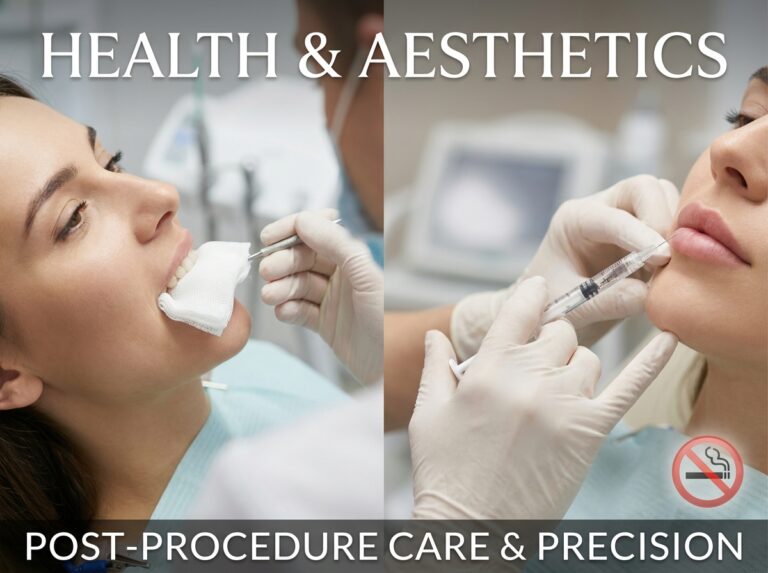
Traveling after non-invasive cosmetic treatments raises reasonable questions about swelling, pressure changes, and recovery timelines. This article explains how cabin conditions can affect treated tissue, gives evidence-based precaution windows for common procedures, and offers practical pre-flight, in-flight, and post-flight aftercare to minimize risks and optimize results.
How Flying Affects Swelling and Tissue Physiology
When you step onto an airplane, you enter an environment that is biologically distinct from the ground. Most people notice their ears popping or their skin feeling dry. For a patient who has just undergone a cosmetic procedure, these environmental shifts trigger specific physiological responses. Understanding what happens to your tissues at 35,000 feet helps explain why your clinician might ask you to delay travel.
The Cabin Environment and Physiology
Commercial aircraft cabins are pressurized, but they do not replicate sea-level conditions. The Federal Aviation Administration (FAA) and international standards require cabins to be pressurized to a maximum equivalent altitude of 8,000 feet. In reality, most modern flights operate with a cabin altitude between 6,000 and 8,000 feet. This is comparable to standing on a mountain peak in Colorado.
Pressure Differentials and Gas Expansion
Boyle’s Law states that as pressure decreases, the volume of a gas increases. While dermal fillers are gels and not gases, the tissues surrounding them contain fluids and gases in solution. The drop in atmospheric pressure reduces the external force on your body tissues. This allows fluids to shift from the vascular space into the interstitial space (the area between cells). If you have recent trauma from a needle or cannula, your inflammatory response is already active. The reduced pressure removes a natural constraint on swelling, potentially allowing edema to expand more freely than it would on the ground.
Humidity and Dehydration
The relative humidity in an aircraft cabin is notoriously low, often hovering between 10% and 20%. For comparison, comfortable indoor humidity is usually 30% to 50%. Hyaluronic acid (HA) fillers work by binding water molecules. In an extremely dry environment, the skin loses moisture rapidly through transepidermal water loss. This dehydration can trigger a compensatory mechanism where the body attempts to retain fluid, paradoxically increasing puffiness in treated areas. Recent research reveals that cabin pressure changes at cruising altitude create a 25% reduction in oxygen partial pressure, which further stresses healing tissues.
| Environmental Factor | Ground Level (Sea Level) | Aircraft Cabin (Cruising) |
|---|---|---|
| Atmospheric Pressure | 14.7 psi (1 atm) | 10.9–11.8 psi (0.75–0.8 atm) |
| Oxygen Availability | 100% baseline | ~25% reduction in partial pressure |
| Relative Humidity | 40–60% (typical) | 10–20% |
Fluid Shifts and Lymphatic Drainage
The lymphatic system relies on muscle movement and stable pressure gradients to drain excess fluid and waste products from tissues. During a flight, two factors disrupt this process.
Immobility and Venous Stasis
Sitting in a confined seat for hours reduces the activity of the calf muscle pump, which is essential for returning blood and lymph from the lower body to the heart. While this is commonly associated with swollen ankles, the systemic stagnation affects overall fluid dynamics. The fluid that isn’t circulating efficiently tends to pool in areas of least resistance or recent injury. If you have fresh filler in your cheeks or lips, the inflammatory fluid accumulating there clears much slower than normal.
Mucosal and Sinus Congestion
The pressure changes during ascent and descent affect the air-filled cavities in the skull, specifically the sinuses. Expansion of air in the sinuses can compress adjacent soft tissues. This is particularly relevant for tear trough (under-eye) and mid-face fillers. Congestion in the maxillary sinuses can impair lymphatic drainage from the peri-orbital area. This creates a backlog of fluid, leading to pronounced swelling under the eyes that might not have occurred if you stayed on the ground.
Why Facial Tissues Respond Differently
Not all treatment zones react to altitude the same way. The face is highly vascular and has distinct anatomical compartments.
The Lip Factor
The lips have an extremely dense vascular network and very thin mucosa. They are prone to swelling even with minor trauma. When you combine the trauma of injection with the vasodilation caused by lower oxygen levels (hypoxia) in the cabin, the lips can swell significantly. Fillers may cause side effects such as swelling or bruising, which may worsen due to changes in air pressure while flying. An anecdotal example often cited in clinical training involves a patient flying from Los Angeles to New York 24 hours after lip augmentation. By the time they landed, the swelling had doubled compared to their pre-flight status, likely due to the combination of dry air, pressure change, and the hydrophilic nature of the fresh HA filler.
The Peri-Orbital Area
The skin around the eyes is the thinnest on the body. It has very little subcutaneous fat to hide fluid accumulation. The lymphatic drainage here is also sluggish compared to the lower face. Pressure changes that cause even minor fluid retention elsewhere become visibly obvious bags or puffiness in the tear troughs.
Oxygen Tension and Bruising
At cruising altitude, the partial pressure of oxygen in your blood (PaO2) drops. For a healthy person, oxygen saturation might fall from 98% to around 90-92%. This is safe, but it creates a state of mild hypoxia.
Inflammatory Response
Hypoxia triggers vasodilation. Your blood vessels widen to deliver more oxygen to tissues. If a blood vessel was nicked during a filler or Botox injection, it has likely sealed with a fragile clot. Vasodilation increases the pressure against that clot. This can cause the clot to dislodge or leak, leading to new or expanded bruising (hematoma) mid-flight. This is why a small bruise on the ground can turn into a large purple mark after a long-haul flight.
Scientific Evidence vs. Clinical Consensus
It is important to distinguish between physiological theory and hard data. As of late 2025, there are no large-scale, randomized controlled trials specifically testing dermal fillers in flight simulators. Most guidance is based on known physiology and case reports.
Current Professional Guidance
Organizations like the American Society of Plastic Surgeons (ASPS) and the American Academy of Facial Plastic and Reconstructive Surgery (AAFPRS) do not issue strict “no-fly” bans for non-surgical procedures. However, the consensus among practitioners is conservative. The logic is risk management. While the FDA has not issued specific warnings regarding filler migration due to pressure, the physical properties of gels and tissues suggest that pressure changes can exacerbate complications.
The Migration Myth
Patients often worry that cabin pressure will cause Botox or filler to “move” to a different part of the face. Physiologically, this is unlikely. Once the product is integrated into the tissue, atmospheric pressure changes are not strong enough to displace it. Some practitioners recommend waiting after Botox injections before flying as there are false claims that the changes in air pressure in plane cabins can cause migration, but the primary concern remains swelling and bruising, not displacement. Migration usually results from poor injection technique or massaging the area too soon, not from the physics of flight.
Key Takeaways on Physiology
- Pressure promotes expansion: Lower cabin pressure reduces the external containment of tissues, allowing inflammatory fluid to accumulate more easily.
- Hypoxia increases bruising risk: Lower oxygen levels cause blood vessels to dilate, which can worsen existing bruises or trigger minor bleeding at injection sites.
- Lymphatic stagnation is real: Lack of movement combined with pressure changes slows down the body’s ability to clear fluid from the face.
- Location matters: Lips and under-eye areas are structurally more vulnerable to pressure-induced edema than cheeks or jawlines.
- Dehydration exacerbates the look: Dry cabin air sucks moisture from the skin, making the surface look crepey while the deeper tissues hold onto water.
Practical Aftercare Timelines and Travel Guidance by Treatment
You understand the physiology of how cabin pressure and dry air affect your tissues. Now we need to translate that into a concrete schedule. Timing your treatments around travel is not just about comfort. It is about safety and ensuring your results settle correctly.
Most US clinics in late 2025 have adopted conservative timelines. The goal is to keep you near your provider during the critical window when complications could arise.
Neuromodulators: Botox, Dysport, Daxxify
Neuromodulators are the most travel-friendly injectable. The product binds to the muscle receptors within minutes to hours. The risk of the product moving or “migrating” due to cabin pressure is effectively zero.
Standard Wait Time
You can technically fly the same day. However, most practitioners recommend waiting 24 hours. This buffer is not about the flight itself, but rather the physical exertion of travel. Lifting heavy carry-on luggage or rushing through terminals can increase blood flow and potentially flush the product before it fully settles.
Positioning and Accessories
The primary concern with flying after Botox is not pressure but rather the position of the head. Sleeping upright in an economy seat is actually safer than lying flat. However, be cautious with travel accessories. Do not wear a tight sleep mask across the forehead for at least 24 hours, and avoid rubbing your face against a travel pillow. This pressure could theoretically spread the toxin to unwanted muscles if done within the first 4 hours of treatment.
Red Flags
Watch for eyelid drooping or asymmetry. These are rare but require assessment. If you fly immediately and notice these issues, you cannot easily return to your provider for a correction.
Hyaluronic Acid Dermal Fillers
Fillers behave differently than Botox. They are hydrophilic gels that attract water. The low humidity in the cabin combined with pressure changes can lead to significant fluid retention.
Lips and Tear Troughs
These areas are highly vascular and prone to swelling. The recommended wait time for these zones is often longer. Flying too soon can turn manageable post-procedure puffiness into uncomfortable distortion. Long-haul flights involve prolonged exposure to dry cabin air and reduced oxygen levels. In a dehydrated cabin environment, hyaluronic acid pulls water from surrounding tissues, leading to an uncomfortable cycle of dehydration and reactive edema.
| Treatment Area | Minimum Wait (Domestic) | Ideal Wait (Long-Haul) |
|---|---|---|
| Lips | 72 Hours | 7 Days |
| Tear Trough (Under Eye) | 72 Hours | 7 Days |
| Cheeks & Chin | 24–48 Hours | 3–5 Days |
| Jawline | 24–48 Hours | 3–5 Days |
Rationale for the Timeline
The first 24 to 72 hours are critical for vascular safety. While extremely rare, vascular occlusion (where filler blocks a blood vessel) usually presents within this window. You need to be on the ground and near medical help if this happens. Once you pass the 72-hour mark, the primary risk shifts to swelling.
In-Flight Precautions for Fillers
If you must fly sooner than recommended, avoid alcohol and salty airport food, as these will exacerbate fluid retention. Do not touch or massage the treated area during the flight. Pressure from a sleep mask or leaning your face against the window is a bigger risk for displacement than the cabin air pressure itself.
Laser Facials and Chemical Peels
The cabin environment is hostile to compromised skin barriers. Humidity sits around 10% to 20% on a plane. This is far below the 40% to 60% skin needs to stay hydrated.
Medium-Depth Peels and Resurfacing Lasers
Wait at least 7 to 10 days before flying. Your skin is peeling and raw. The dry air will accelerate moisture loss. This causes cracking, extreme tightness, and potential scarring.
Light Lasers (IPL, Genesis)
Wait 24 to 48 hours. The heat from the treatment leaves skin sensitive. Cabin air will feel abrasive. If you must fly, apply an occlusive barrier like Aquaphor or a heavy medical-grade balm.
Sun Exposure Warning
UV radiation is much stronger at 30,000 feet. Airplane windows block UVB but often allow UVA rays to penetrate. Freshly lasered skin is highly photosensitive. Exposure to high-altitude UVA can cause hyperpigmentation, reversing the benefits of your treatment. Keep the window shade closed and wear broad-spectrum SPF 50 during the flight.
Non-Surgical Body Sculpting
Treatments like Cryolipolysis (CoolSculpting), Radiofrequency (RF), or Ultrasound Cavitation affect the body differently. The concern here is inflammation and circulation.
Cryolipolysis
Wait 3 to 5 days before a long-haul flight. The treated area will be numb and swollen. Sitting for long periods increases the risk of Deep Vein Thrombosis (DVT), especially if the treatment was on the thighs or abdomen. The numbness might mask the pain of a developing clot or pressure sore.
Radiofrequency and Cavitation
These are generally safer for travel within 24 to 48 hours. They rely on lymphatic drainage to clear disrupted fat cells. Flying can slow down this drainage. You might notice the results take longer to appear if you fly immediately.
Pre-Flight Checklist
Preparation begins before you head to the airport. Follow this checklist to minimize complications.
- Hydrate Aggressively: Start drinking extra water 24 hours before departure. Your tissues need a reservoir to combat the dry cabin air. Drink 8 ounces of water for every hour you plan to be in the air.
- Avoid Alcohol and Salt: Skip the airport bar and salty snacks. Alcohol thins the blood (increasing bruising risk) and dehydrates you, while sodium promotes edema.
- Manage Blood Thinners: Travelers taking anticoagulants or supplements like fish oil and Vitamin E face a dual risk. First, the likelihood of bruising from the injection increases. Second, the risk of DVT rises during long periods of immobility. If you have a history of clotting, the inflammatory response from a recent procedure might slightly elevate your overall thrombotic risk.
- Pack Cold Compresses: Gel packs are usually allowed through TSA if frozen solid. Check current regulations or bring empty ziplock bags to fill with ice on the plane.
- Medical Documentation: Carry a small card or note. It should list the procedure, the date, the specific product used (e.g., Juvederm Voluma), the volume injected, and your clinician’s emergency contact number.
- Plan Telehealth: Confirm your clinic offers virtual follow-ups. If you have a concern while abroad, a video call is your first line of defense.
In-Flight Management
Once you are in the air, your goal is to keep blood moving and reduce fluid stagnation.
Movement Protocols
For flights over 4 hours, get up every 60 to 90 minutes. Walk the aisle. If you are stuck in your seat, do ankle pumps. Flex your foot up and down 20 times every hour. This activates the calf muscle pump and aids venous return.
Positioning
Use a neck pillow to keep your head elevated above your heart if you sleep. Lying flat encourages fluid to pool in the face. This is especially important if you had under-eye or lip filler.
Compression Garments
If you had body sculpting on the legs or abdomen, wear your compression garment. It helps manage swelling and lowers DVT risk. Ensure it fits correctly and does not cut into your skin when you sit. On a plane, compression becomes even more important to counteract fluid retention caused by gravity and low pressure.
Red Flags: When to Seek Help
Most post-flight swelling is normal. However, certain symptoms demand immediate medical attention. Do not wait until you land if the situation is critical. Alert the flight crew if you feel severe distress.
| Symptom | Potential Issue | Action Required |
|---|---|---|
| Vision changes or loss | Vascular Occlusion (Retinal) | Emergency Room Immediately upon landing. This is a time-sensitive medical emergency. |
| White or grey skin patches | Tissue Ischemia (Lack of blood flow) | Contact your injector immediately. Go to ER if injector is unreachable. |
| Intense, throbbing pain | Infection or Occlusion | Seek medical assessment. Pain should not increase days after treatment. |
| Hot, red, spreading rash | Infection | Requires antibiotics. See a doctor within 12 hours. |
| Asymmetric smile (post-Botox) | Migration/Poor placement | Not an emergency. Contact injector for follow-up when you return. |
Documentation for Travel
Customs and security rarely question cosmetic procedures. However, having proof of treatment is useful for medical insurance if you need care abroad. If you develop a complication abroad, local doctors need to know exactly what product was used, as different fillers have different dissolving protocols. Ask your provider for a summary note.
Sample Wording
“Patient received Hyaluronic Acid dermal filler injections to the mid-face on [Date]. Treatment performed by Dr. [Name]. In case of emergency or adverse reaction, please contact [Phone Number].”
This simple step saves time and confusion if you end up seeing a foreign doctor who does not know your history. Conservative planning is the best way to protect your investment and your health.
Conclusions: Practical Takeaways and Action Steps
We have gone through the physiology of pressure changes, examined the risks of hypoxia, and answered the most specific questions regarding your travel plans. Now, let’s strip this down to the essentials. You need a concrete game plan. The goal here isn’t just to arrive safely—it is to arrive looking like the best version of yourself, rather than dealing with unexpected swelling or bruising that could have been avoided.
Flying places unique stress on the body. Even if you are perfectly healthy, the cabin environment at 35,000 feet mimics an altitude of up to 8,000 feet. Oxygen saturation drops, gases expand, and humidity plummets to desert levels. When you add fresh cosmetic injectables or recovering skin into that mix, you are asking your body to heal under challenging conditions.
Defining Your Safe Travel Window
The most effective way to mitigate risk is simply buying yourself time. While many practitioners might give you the “medically safe” green light after 24 hours for minor procedures, an aesthetic buffer is smarter. You want to avoid the peak swelling phase while trapped in a pressurized metal tube.
In 2025, the consensus among conservative aesthetic providers leans toward waiting until the initial inflammatory response settles. If you absolutely must fly sooner than these windows, you are not necessarily in danger, but you should expect your recovery to look different. Your swelling may last longer, and your bruising might look more vibrant due to the temporary rise in blood pressure and vasodilation associated with altitude.
Managing the Cabin Environment
Once you are on the plane, you lose control over the air quality, but you can control your internal environment. The cabin air is aggressively dry, which is problematic for hyaluronic acid (HA) fillers. HA is hydrophilic; it seeks out water. If your body is dehydrated and the air is dry, the filler may not integrate as smoothly in those first critical days, or conversely, your body might retain water aggressively in an attempt to compensate, leading to edema.
Hydration Strategy
Drink at least 8 ounces of water for every hour of flight time. This sounds like a lot, but it is necessary to counteract the dehydrating effects of the cabin. Avoid alcohol and tomato juice (high sodium) completely if you have flown within 48 hours of a procedure. Alcohol acts as a vasodilator and a diuretic, which is the exact opposite of what your healing tissue needs.
Movement and Circulation
For body contouring patients or anyone flying long-haul (over 4 hours), stagnation is the enemy. Venous stasis increases the risk of blood clots, and general fluid retention will make facial swelling worse. Perform ankle pumps every 30 minutes. If the seatbelt sign is off, stand up and walk the aisle. This helps lymphatic drainage, which is crucial for clearing the fluid buildup associated with fillers and lasers.
Recognizing Urgent Warning Signs
Most post-procedure issues on a plane are benign—mostly discomfort or puffiness. However, you must be able to distinguish between normal side effects and a medical emergency. Because you are isolated from medical care, knowing these signs is vital.
Vascular Occlusion vs. Normal Bruising
A bruise is tender and blue or purple. A vascular occlusion (where filler blocks a blood vessel) presents differently. It often involves severe, disproportionate pain that does not improve. The skin may look blanched (white) or have a reticular (net-like) red pattern. If you experience sudden vision changes, severe escalating pain, or skin discoloration that looks like a mottled net, this is an emergency. Alert the flight crew immediately. While they cannot dissolve filler, they can provide oxygen and help coordinate medical assistance upon landing.
Infection Indicators
Heat and spreading redness are not normal swelling. If the treated area feels hot to the touch and is throbbing with a pulse-like sensation, this could indicate an early infection. This usually requires antibiotics, so you should contact your provider immediately upon landing.
For more context on how pressure impacts specific injection sites, read about flying after lip injections to understand why the lips are particularly prone to altitude-related swelling.
Final Action Plan
We can summarize safe travel into three non-negotiable steps. If you do nothing else, adhere to this checklist to ensure your results settle beautifully and your safety is compromised.
- Buffer Your Schedule
Never book a treatment less than 48 hours before a flight if you can avoid it. Ideally, give yourself a 7-day window for fillers and lasers. This allows the most acute side effects to pass while you are still on the ground and near your provider. If you are planning a major trip, review recommendations on timing your procedures well in advance. - Pack an In-Flight Care Kit
Do not rely on airline amenities. Pack a hydrating sheet mask (if you had a laser treatment), a sealed ice pack (you can ask flight attendants for ice to fill it), and a bottle of Arnica tablets. Apply a high-quality occlusive moisturizer to create a barrier against the dry cabin air. - Digital Documentation
Have your provider’s emergency contact number and a photo of your treatment record saved in your “Favorites” on your phone. If a complication arises, speed matters. You do not want to be scrolling through emails looking for a clinic phone number while dealing with a potential medical issue in a foreign country.
Travel should be enjoyable, and your cosmetic treatments are meant to enhance that experience, not hinder it. By respecting the physiology of your body and the physics of flight, you can ensure that you step off the plane looking refreshed, not reactive.
Sources
- Flying After Cosmetic Procedures at Cityskin: Recommendations … — Recent research reveals that cabin pressure changes at cruising altitude create a 25% reduction in oxygen levels, significantly affecting how recently …
- Can I Fly After Lip Injections? – Ethos Spa — Ideally, you should wait anywhere from 3-7 days after lip injections before going on a long flight. This is to avoid worsening the expected discomfort and side …
- Flying After Anti Wrinkle Injections – Dr. Mark Hamilton — Flying does not affect the outcome of your Anti-Wrinkle treatments. Research has shown that neuro toxin is taken up by the facial muscles and …
- Everything you need to know about flying after fillers – Etre Vous — Both experts agree that swelling is the most common side effect, closely followed by bruising. This is due to increased air pressure inside the plane cabin. “ …
- The Safety of Air Travel Following Botox or Filler Administration — While there is no scientific evidence that flying after treatment will cause harm, give yourself 24-48 hours before a flight to avoid taking unnecessary risks.
- Can You Fly After Botox Injections? | Botox Treatments | Book Now — Some practitioners recommend waiting after Botox injections before flying as there are false claims that the changes in air pressure in plane cabins can cause …
- Flying after Botox: Possible side effects and other considerations — Fillers may cause side effects such as swelling or bruising, which may worsen due to changes in air pressure while flying.
- Adverse Effects Associated with Dermal Filler Treatments — Vascular complications arising from dermal filler treatments pose significant risks, including ischemia, tissue necrosis, and severe outcomes like blindness …
- Dermal Filler Aftercare – Dr Magnus Lynch | Dermatologist London — Avoid flying for at least 48 hours after treatment as changes in air pressure in aeroplanes may increase swelling. … dermal filler injections is a rare but …
Legal Disclaimers & Brand Notices
The content provided in this article is for informational purposes only and does not constitute professional medical advice, diagnosis, or treatment. Always seek the advice of your physician or another qualified health provider with any questions you may have regarding a medical condition or the recovery process following a cosmetic procedure. Never disregard professional medical advice or delay in seeking it because of something you have read on this website.
All product names, logos, and brands are property of their respective owners. All company, product, and service names used in this article are for identification purposes only. Use of these names, logos, and brands does not imply endorsement or affiliation. This article references several trademarked products, including:
- Botox® and Juvederm® are registered trademarks of Allergan Aesthetics (an AbbVie company).
- Dysport® is a registered trademark of Galderma.
- CoolSculpting® is a registered trademark of ZELTIQ Aesthetics, Inc.
The specific procedures and aftercare timelines described are based on general clinical consensus and should be verified with your treating clinician prior to travel.