This recovery diary walks you through a clear, day-by-day roadmap for the first seven days after a VI Peel. Learn expected sensations, visible stages of peeling, essential aftercare steps, red flags that need a clinician’s attention, and tips to protect results so you heal safely and get the most benefit from your treatment.
Day-by-Day Recovery Diary: What to Expect
Your VI Peel journey is a week-long process of transformation. Knowing what to expect each day can help you navigate the recovery with confidence and ensure you’re giving your skin exactly what it needs. Think of this as your daily log for the first week post-peel.
Day 0: Treatment Day
What you’ll see and feel: Immediately after the 30-minute treatment, your skin will likely have a yellow-orange or bronze tint. This is due to the retinoic acid and vitamin C in the peel solution, not necessarily skin irritation. You may also see a slight reddish glow similar to a mild sunburn. It might feel warm and will start to feel progressively tighter as the day goes on. The peel solution contains a numbing agent, so the application process is generally comfortable.
Your job today: Your main task is to leave your skin alone. The peel solution needs to stay on for a minimum of four hours, but your provider will give you a precise timeline based on your specific treatment. Avoid touching your face to prevent transferring bacteria. Do not wash your face until the designated time has passed. Before bed, you will use the post-peel towelettes provided in your take-home kit as instructed. These are saturated with active ingredients like retinoic acid to enhance the peeling process.
Activity level: Zero. Plan for a relaxing evening. No exercise, saunas, steam rooms, or any activity that causes sweating. Heat can lead to inflammation, trap bacteria, and cause potential complications.
Day 1: The Tightening Phase
What you’ll see and feel: Your skin will feel very tight and dry, almost like a thin film or “shrink wrap” is stretched over it. The initial redness or yellow tint may subside, but your skin may appear darker or more pigmented as the top layers prepare to shed. Don’t be alarmed; this bronzing effect is a normal part of the process.
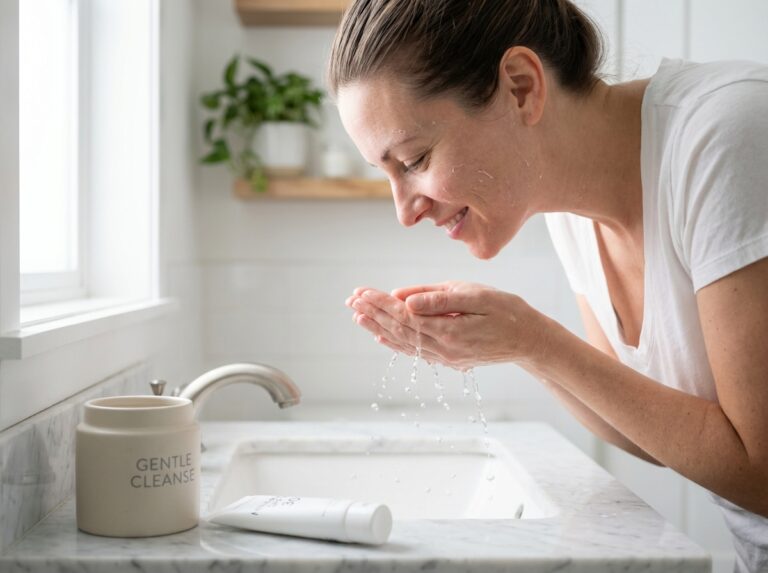
Your job today: In the morning, you can wash your face for the first time. Use a gentle, non-foaming cleanser and cool to lukewarm water. Use your fingertips to wash, and pat your skin completely dry with a soft, clean towel. Do not rub. After cleansing, apply the post-peel moisturizer from your kit. Reapply it frequently throughout the day whenever your skin feels dry or tight. You must also start using a broad-spectrum mineral sunscreen with an SPF of 30 or higher. Sun protection is not negotiable from this point forward, even if you remain indoors.
Activity level: Keep it low-key. Light indoor activities are fine, but continue to avoid exercise, sweating, and direct heat.
Day 2: The First Signs of Flaking
What you’ll see and feel: The tightness continues, and you’ll likely start to see the first signs of peeling. This almost always begins around the areas of your face that move the most, like around your mouth, nose, and chin. It will start as fine, flaky skin. You might also begin to feel some itching, which is a sign that the skin is getting ready to shed.
Your job today: Stick to the routine. Gentle cleansing, constant moisturizing, and diligent sun protection. It can be tempting to help the flakes along, but you must resist the urge to pick, pull, or scrub the skin. Doing so can lead to scarring and post-inflammatory hyperpigmentation (PIH). Let the skin shed on its own schedule. If a loose piece of skin is bothersome, you may carefully trim it with sterile scissors, but never pull it.
Activity level: Still no working out. Sweating can irritate the skin and trap moisture under the peeling layers, which can cause blistering.
Days 3 and 4: The Peak Peeling Window
What you’ll see and feel: Welcome to the main event. During these two days, you will experience the most significant peeling. The skin may come off in larger sheets rather than just small flakes, especially on the cheeks and forehead. The new skin revealed underneath will be pink, smooth, and sensitive. Itching can be at its peak during this time. The entire VI Peel healing process is centered around this shedding phase.
Your job today: Your aftercare routine is your best friend. Keep slathering on that moisturizer to help manage the itching and keep the peeling skin soft. Continue with gentle cleansing and strict sun avoidance. Most people prefer to work from home or avoid social events during these two days due to the visible shedding.
Activity level: No change. Avoid all activities that could make you sweat or flush. For those prone to hyperpigmentation, your provider may recommend extending the “no exercise” rule through the full week.
Day 5: Turning a Corner
What you’ll see and feel: The heavy peeling should be largely complete. You will likely have some residual flaking, particularly around the perimeter of your face, like the hairline, jaw, and neck. The new skin will look bright and feel much smoother, though it may still be pink.
Your job today: Continue your gentle care routine. Your new skin is still very delicate and needs to be protected with moisturizer and sunscreen. The sensitivity and itching should be much better now.
Activity level: You may be able to introduce very light activity, but consult your provider’s specific instructions. It’s best to continue avoiding significant sweating or heat exposure until peeling has ceased.
Days 6 and 7: The Final Reveal
What you’ll see and feel: By now, almost all the peeling should be finished. Your skin will appear brighter, more even-toned, and refreshed. Any residual pinkness will continue to fade over the next few days. Your skin’s texture will feel significantly improved.
Your job today: Keep up the gentle cleansing, moisturizing, and sun protection. Around day 7, you can typically get clearance from your provider to begin slowly reintroducing your normal skincare products. However, hold off on any harsh exfoliants (like scrubs or acids) and topical retinoids for at least another week.
Activity level: You can usually return to your normal exercise routine. As always, listen to your skin; if it feels sensitive, take it easy for another day or two.
When to Call Your Provider
While the process described above is typical, you should contact your clinic immediately if you experience any signs of a complication. These include a fever, spreading redness or warmth that worsens after the first 48 hours, any yellow or green discharge, unusual or severe pain, or any blistering that develops after 72 hours. Your provider is there to ensure your recovery is safe and successful.
Practical aftercare checklist and problem solving
Navigating the first week after your VI Peel is all about following a consistent routine and knowing how to handle the little bumps along the way. Think of this as your roadmap to support your skin’s renewal process. Sticking to a gentle, protective plan is the best way to ensure a smooth recovery and get the beautiful results you’re looking for.
Your Daily Aftercare Checklist (Days 0–7)
Consistency is your best friend during this week. Your skin is vulnerable, so a simple, predictable routine helps it heal without interference.
Morning Routine
- Cleanse: Use lukewarm water and a gentle, non-foaming, soap-free cleanser. Apply it with your fingertips in a light, circular motion. Do not use a washcloth or cleansing brush.
- Rinse and Pat Dry: Splash your face with cool water to rinse. Gently pat your skin completely dry with a clean, soft towel. Avoid any rubbing or pulling.
- Moisturize: While your skin is still slightly damp, apply a generous layer of a fragrance-free, non-comedogenic moisturizer. This helps lock in hydration and soothe tightness. Pat the product in, don’t rub.
- Protect: This is the most critical step. Apply a broad-spectrum physical or mineral sunscreen with an SPF of 30 or higher. Zinc oxide or titanium dioxide are great ingredients to look for. Apply it carefully over your moisturizer and reapply every two hours if you are outdoors or near a bright window.
Evening Routine
- Cleanse: Follow the same gentle cleansing steps as your morning routine to remove sunscreen and any environmental debris from the day.
- Apply Post-Peel Products (As Directed): Your provider will give you specific post-peel towelettes or creams. Use them exactly as instructed. This is usually done on the first and second nights to enhance the peel’s effects.
- Moisturize: Apply another generous layer of your bland, calming moisturizer. Your skin does most of its repairing overnight, so giving it a good dose of hydration is essential. You can reapply it if you wake up feeling dry or tight.
Troubleshooting Common Concerns
Even with perfect care, you might experience some discomfort. Here’s how to manage the most common issues at home.
Itching, Flaking, and Tightness
Itching is a normal sign of healing, but it can be frustrating. Do not scratch or pick at your skin. Picking can lead to scarring and post-inflammatory hyperpigmentation (PIH). Instead, apply more of your approved moisturizer or a thin layer of an emollient like Aquaphor to soothe the area. A clean, cool compress held gently against the skin for a few minutes can also provide relief.
Discomfort and Pain
Mild tenderness is expected. If you feel uncomfortable, over-the-counter pain relievers can help. Acetaminophen (Tylenol) is often a good first choice. Ibuprofen (Advil, Motrin) can also be used if approved by your doctor, as it helps with inflammation. If your provider prescribed a topical corticosteroid cream for severe itching or irritation, use it only on the specified areas and exactly as directed.
Crusting and Sheet-Like Peeling
If you notice a small area of crusting or a large sheet of skin is peeling off, do not pull it. You can use clean, small scissors to carefully trim away the hanging piece of skin. This prevents you from accidentally tearing the new, delicate skin underneath. Afterward, apply a bit of moisturizer or healing ointment to the area.
Lifestyle Adjustments for a Smooth Recovery
Makeup and Skincare Actives
Avoid all makeup while your skin is actively peeling. Once the majority of peeling has stopped, usually around day 6 or 7, you may be able to apply a minimal amount of non-irritating mineral makeup. Wait until your provider gives you the green light, typically after one full week, to reintroduce other skincare products. You must avoid all exfoliants, including scrubs, brushes, dermaplaning, and active ingredients like retinoids (Retin-A), AHAs, and BHAs, for at least two weeks or until your skin is fully healed.
Work, Travel, and Sun Exposure
You can typically return to work right away, but if your job involves significant sun exposure, heat, or sweating, you may want to take a few days off during the peak peeling phase (days 3-5). If you must travel, pack your aftercare kit and be extra diligent with sunscreen. When outdoors, a wide-brimmed hat and sunglasses are non-negotiable accessories to shield your healing skin.
Trust the Process
It can be tempting to try to speed up the peeling by scrubbing or picking, but this is the worst thing you can do. Forcing the skin to shed before it’s ready can damage the new layer underneath, leading to complications. The goal is to support your skin’s natural healing cycle, not rush it. Gentle cleansing, consistent moisturizing, and strict sun protection are the three pillars that will restore your skin barrier and deliver the best possible outcome. This careful approach is also your best defense against developing post-inflammatory hyperpigmentation, ensuring your final result is clear and even-toned.
When to Call Your Provider
While most side effects are normal, some symptoms require professional attention. Contact your provider’s office immediately if you experience:
- Signs of infection, like spreading redness, yellow discharge, or pus.
- A fever or feeling unwell.
- Severe, persistent pain that isn’t managed by OTC medication.
- Blistering or excessive, prolonged swelling.
Your provider is your partner in this process. Never hesitate to reach out if you’re concerned about how your skin is healing.
Special situations and combined treatment planning
While the day-by-day recovery guide covers the typical VI Peel experience, your journey is uniquely yours. Your skin type, medical history, and other cosmetic treatments all play a role in creating the perfect plan. A successful peel isn’t just about the week of aftercare; it’s about the careful planning that happens before the solution ever touches your skin. This is where a partnership with an experienced provider becomes essential to navigate special considerations and achieve your desired results safely.
One of the most important conversations to have is about your skin tone, especially if you have a darker complexion or a history of melasma. The VI Peel is frequently and successfully used to treat hyperpigmentation in darker skin, but it requires a skilled hand. The reason for this is that skin rich in melanin is more reactive. Its pigment-producing cells, called melanocytes, can be easily triggered by inflammation, potentially leading to post-inflammatory hyperpigmentation (PIH), which is the very issue you’re often trying to treat. To minimize this risk, your provider will conduct a thorough evaluation. They may recommend a “preconditioning” phase for several weeks before your peel. This often involves using a topical product like hydroquinone or other tyrosinase inhibitors (like azelaic acid or kojic acid) to calm down your melanocytes, making them less likely to overreact to the peel. This preparatory step is a crucial safety measure that helps ensure the peel lightens existing pigment without creating new spots.
Planning your VI Peel around other cosmetic treatments is another key piece of the puzzle. Stacking procedures too closely can overwhelm your skin’s healing capacity, increase the risk of infection, and lead to unpredictable results. A well-thought-out timeline is critical.
- Botox and Dermal Fillers: The general consensus is to separate injectables and peels. Many clinicians prefer you to wait about two weeks after getting Botox or fillers before having a VI Peel. This allows the products to settle properly into the tissues and ensures any injection-site swelling or bruising has fully resolved. Getting a peel too soon could theoretically interfere with the product or irritate the injection points. Conversely, it’s also wise to wait until your skin has completely recovered from the peel before getting injections.
- Laser Facials and Microneedling: These treatments, like chemical peels, work by creating a controlled injury to stimulate skin renewal. Performing them too close together is a recipe for excessive inflammation and potential complications like scarring or PIH. You should wait until your skin is fully healed from the VI Peel, which is typically at least two to four weeks, before undergoing a laser or microneedling session. Your provider will assess your skin’s barrier function to confirm it’s ready for another procedure.
- Body-Sculpting Procedures: Treatments like CoolSculpting or Emsculpt don’t directly affect the facial skin, so there’s no direct contraindication. However, it’s practical to consider your overall comfort and social downtime. You might not want to feel sore from a body treatment while your face is actively peeling. It’s best to schedule these appointments on separate days to make both experiences more comfortable.
Your medical history is the final, non-negotiable factor in determining if and when a VI Peel is right for you. Full transparency with your provider is paramount for your safety.
Certain conditions and medications require specific protocols. If you have a history of taking isotretinoin (formerly known as Accutane), you must wait at least six to twelve months after your last dose before getting a medium-depth peel. Isotretinoin significantly alters your skin’s oil glands and healing processes, and proceeding too soon carries a high risk of abnormal scarring. The VI Peel is strictly contraindicated during pregnancy and breastfeeding due to the potential for systemic absorption of its ingredients.
If you have an autoimmune disease or are on immunosuppressive medication, your body’s healing response may be impaired. This can affect your results and increase the risk of infection. A thorough consultation with both your aesthetic provider and your primary physician is necessary to clear you for treatment. For those prone to cold sores (herpes simplex virus), the peel can trigger an outbreak. Your provider will prescribe a prophylactic course of an antiviral medication, like acyclovir or valacyclovir, for you to start before the peel and continue for several days after. Lastly, be sure to disclose any blood-thinning medications or supplements (like aspirin, fish oil, or vitamin E). While they may not prevent you from getting the peel, your provider needs this information to assess your healing expectations.
Ultimately, every detail matters. Your provider will document this comprehensive plan in your chart, creating a personalized roadmap that accounts for your unique skin, health, and aesthetic goals. This careful, individualized approach is the foundation of a safe procedure and beautiful, lasting results.
Frequently Asked Questions
Navigating the week after your VI Peel can bring up a lot of questions. Below are answers to some of the most common concerns patients have during the recovery process. Remember, this advice is a general guide; the instructions provided by your clinician are tailored to you and should always be your primary resource.
How long does the peeling last?
The main peeling phase for a VI Peel typically starts around day three and lasts for about three to four days. For most people, the process is largely complete by day seven. You might notice light flaking at first, which can progress to larger sheets of skin shedding, especially around the mouth and nose. Don’t be alarmed by the variation; everyone’s experience is slightly different. It’s also common for your first peel to involve a longer or more intense peeling period than subsequent treatments. The most important rule is to let the skin shed on its own schedule. Do not pull, pick, or scrub it off, as this can damage the new skin underneath and lead to complications.
What can I use for pain or itching?
Significant pain is not expected with a VI Peel. You might feel a sensation similar to a mild sunburn on the first day, but this usually fades quickly. If you need relief, you can typically use an over-the-counter pain reliever like acetaminophen, but check with your doctor first. Itching, on the other hand, is a very common and normal part of the healing process. To manage it, apply the post-peel moisturizer from your aftercare kit generously and frequently. Keeping the skin hydrated is the best way to calm irritation. You can also apply a clean, cool compress to the area for 10 to 15 minutes at a time. If you experience severe pain or itching that doesn’t get better with these measures, it’s a red flag to contact your provider.
Can I wear makeup while my skin is peeling?
It is strongly recommended to avoid all makeup while your skin is actively peeling. Applying cosmetics can irritate the sensitive, healing skin. More importantly, the process of removing makeup can cause you to accidentally scrub or pull off skin that isn’t ready to shed, which can lead to scarring or post-inflammatory hyperpigmentation. Once the majority of the peeling has finished, usually around day seven, you can typically ease back into your routine. Start with a mineral-based powder foundation, as it’s often less irritating than heavy liquids. Always apply it over a clean, well-moisturized face.
When will I see the final results?
You’ll get a preview of your results as soon as the peeling stops, around day seven. Your skin will look noticeably smoother, brighter, and more refreshed. But the improvements don’t stop there. The VI Peel works by stimulating new collagen production deep within the skin. This remodeling process continues for the next four to six weeks. During this time, you’ll see a continued reduction in fine lines, sun damage, and pigmentation, leading to your final, glowing result. Patience and consistent sun protection are key to enjoying the full benefits.
How many peels will I need?
You will see a definite improvement in your skin’s tone and texture after just one VI Peel. However, for more significant or stubborn concerns like deep-set melasma, acne scarring, or pronounced wrinkles, a series of treatments is usually necessary to achieve the best outcome. A typical plan involves three to six peels spaced about four to six weeks apart. This allows your skin to heal fully between sessions while creating cumulative, transformative results. Your provider will help you develop a treatment plan based on your unique skin goals.
What should I do if I get blisters or an infection?
Blisters are not a typical response to the VI Peel. While a tiny, isolated spot might not be a cause for alarm, you should contact your provider if you see any blistering. Signs of a potential infection are a major red flag and require immediate medical attention. Watch for spreading redness, unusual swelling, skin that feels very warm to the touch, or any yellow or green discharge. Do not try to treat these symptoms at home. Call your clinician’s office right away; they can assess the situation and prescribe medication if needed to prevent further complications.
How can I reduce the chance of hyperpigmentation?
Preventing post-inflammatory hyperpigmentation (PIH) is one of the most important goals of aftercare. Your success depends on a few key actions.
- Sun Protection is Non-Negotiable. You must wear a broad-spectrum, preferably mineral-based, sunscreen with an SPF of 30 or higher every single day. Reapply it every two hours when you are exposed to sunlight.
- Follow Instructions Exactly. Use your post-peel kit as directed and do not introduce any other active ingredients like retinoids or exfoliants until your provider clears you to do so.
- Do Not Pick. Resist the urge to pull or scrub off peeling skin. Let it fall off naturally. Forcing it can cause injury that leads to dark spots.
- Stay Cool. Avoid sources of intense heat, including very hot showers, saunas, and strenuous workouts, for the first week.
If you follow these steps carefully, you significantly minimize your risk and protect your beautiful results. For more details, you can also check the official VI Peel FAQ page.
Final takeaways and next steps
Navigating the first week after your VI Peel is a journey of transformation. As we wrap up this guide, let’s distill everything into the most critical, actionable advice to ensure your path to glowing skin is smooth, safe, and successful.
Your Practical Next Steps
With a clear understanding of the healing process, you can take control of your recovery. Here is what to do next.
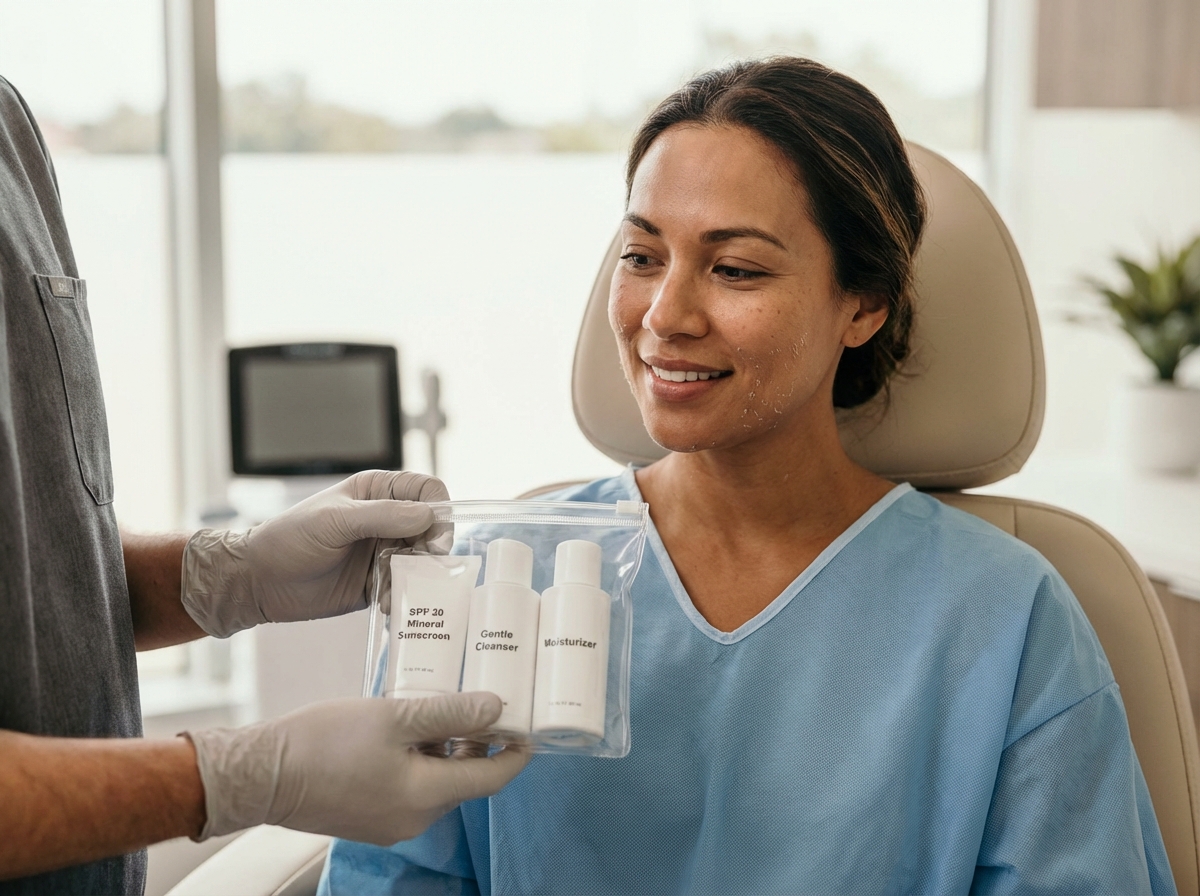
- Follow Your Post-Peel Kit. The kit provided by your clinician contains everything you need for the first week. Follow the instructions for using the towelettes, cleanser, and moisturizer precisely. They are specifically designed to work with the peel.
- Keep a Photo Diary. Taking a quick photo each morning is a fantastic way to track your progress. It provides a clear, objective record of your healing, which can be reassuring to look back on and useful to share with your provider if you have any questions.
- Schedule Your Follow-Up. Most clinics will recommend a follow-up appointment to assess your results and discuss next steps. Be sure to schedule this. It is an important part of your overall treatment plan. If you haven’t already, you can contact your clinic to schedule your appointment and ensure your long-term goals are on track.
- Plan Ahead. For future treatments, remember to plan around your social and professional calendar. Giving yourself a clear week for the peeling process removes stress and allows you to focus on recovery.
Ultimately, achieving beautiful results from your VI Peel comes down to patience and diligent aftercare. Trust the process, protect your new skin, and maintain realistic expectations. A single peel can create a beautiful improvement, but a series of treatments may be needed for more significant concerns. By embracing a long-term commitment to sun protection and professional skincare, you are not just recovering from a peel; you are investing in the lasting health and radiance of your skin.
References
- What Is the VI Peel Healing Process Like? | Bella Medspa — The recovery time from a VI peel typically spans between seven to ten days. The peeling process is a critical phase, as the shedding of old, damaged skin …
- VI Peel Explained: Benefits, Recovery, And Results From Miami Skin … — The entire VI Peel treatment takes approximately 30 minutes, and you can return to work or brunch immediately. Peeling usually starts on day two …
- VI Peel Pre & Post Care | Tips for Best Peel Results — VI Peel recovery time typically lasts 5–7 days, though some redness or mild … Contact us today to schedule your appointment and experience the …
- Chemical Peel Recovery Process – Direct Aesthetics — Chemical Peel Recovery Timeline. Day 1 – Treatment Day The peel itself takes about 30 minutes. You may feel warmth or tingling during …
- FAQ – VI Derm – VI Peel — FAQ General Return Policy: Products may be returned up to 30 days after purchase for a full refund minus shipping charges. Physical product does not need to …
- The Best Time of Year to Get a VI Peel: Timing Your Treatment — Results You Can Expect · Visible improvement in tone and texture within 7 days · Reduction in active acne and oiliness by day 10 · Gradual lightening of …
- Vi Peel in Chicago, IL | Fulcrum Aesthetics — Expect your skin to peel 2-3 days after treatment, lasting up to a week. The peeling is a normal part of the exfoliation process. Following post-treatment …
Legal Disclaimers & Brand Notices
This article is for informational purposes only and does not constitute medical advice. The information contained herein is not intended to be a substitute for professional medical advice, diagnosis, or treatment. Always seek the advice of your physician or other qualified health provider with any questions you may have regarding a medical condition. Never disregard professional medical advice or delay in seeking it because of something you have read in this article.
All product names, logos, and brands are property of their respective owners. All company, product, and service names used in this article are for identification purposes only. Use of these names, logos, and brands does not imply endorsement.
- Botox® is a registered trademark of Allergan, Inc.
- CoolSculpting® is a registered trademark of Zeltiq Aesthetics, Inc.