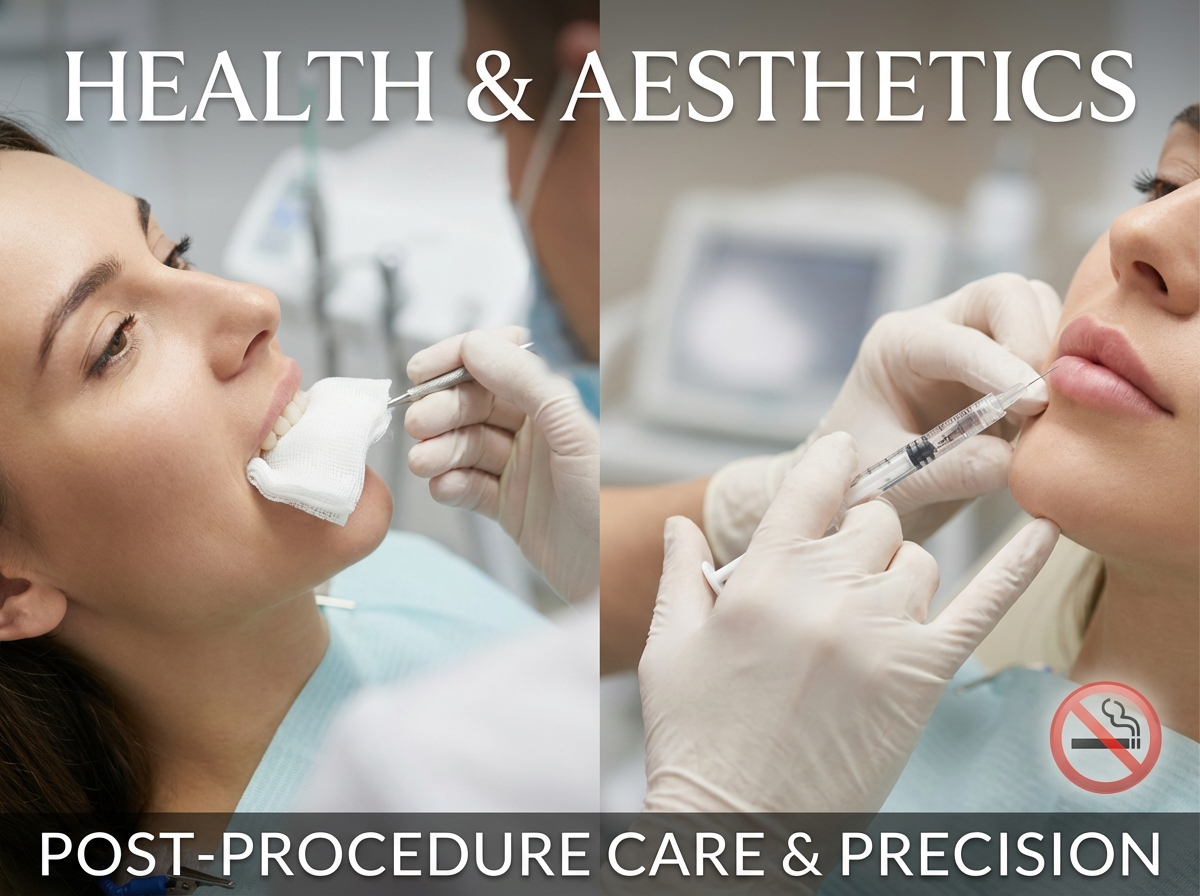
Smoking after a tooth extraction or lip filler injection raises significant healing concerns. This article explains how heat, suction, and nicotine interfere with clot formation and tissue repair, outlines recommended waiting periods, and places smoking advice in the wider aftercare context for Botox, laser facials, chemical peels, and non‑surgical body sculpting in the USA to minimize complications and protect results.
How smoking interferes with healing after extractions and fillers
When you leave a dental office or a medical spa, your body begins a complex biological repair mission. For those who smoke or vape, this mission faces immediate interference. The physical act of inhaling and the chemical makeup of the vapor or smoke create a hostile environment for healing tissues. Understanding the specific ways these habits disrupt recovery helps explain why providers are so strict about the waiting periods they recommend.
The Physical Mechanics of Suction and Heat
The most immediate threat after a tooth extraction is the physical force of suction. When you draw on a cigarette, a pipe, or a vaping device, you create negative pressure inside your mouth. This pressure is often enough to dislodge the blood clot that forms in the empty socket. This clot is not just a scab; it serves as a protective layer and a scaffold for new bone and soft tissue growth. If the clot is lost, you develop alveolar osteitis, commonly known as dry socket. This condition exposes the underlying bone and nerves to air, food, and fluids, leading to intense pain that often requires additional clinical intervention.
Heat plays a secondary but equally damaging role. The high temperature of smoke or vapor irritates the surgical site. This thermal stress can cause the blood clot to break down prematurely through increased fibrinolytic activity. When the clot dissolves too early, the healing process stalls. Current clinical research continues to show that smokers are about three times more likely to develop dry socket compared to non-smokers.
For lip filler patients, the mechanics of smoking present a different risk. The repetitive puckering motion required to inhale can cause the filler material to shift before it has fully integrated with the tissue. Additionally, the heat generated near the lips can exacerbate swelling and potentially degrade the product faster than normal.
Nicotine and the Vascular Response
Nicotine is a potent vasoconstrictor. It causes the smooth muscles in your blood vessel walls to contract, which narrows the lumen and reduces blood flow. This effect is not limited to the mouth; it impacts the skin and soft tissues where fillers are injected. After a tooth extraction, reduced blood flow means fewer white blood cells reach the area to fight off bacteria. It also means fewer nutrients and less oxygen are available for tissue repair.
Even a single cigarette immediately after a procedure can trigger this vasoconstriction. In the context of lip fillers or dermal injectables, restricted circulation can lead to several complications. While smoking does not directly cause an intravascular occlusion—a rare but serious filler complication where the product blocks a vessel—it does make the surrounding tissue more vulnerable to ischemia. If the blood supply is already sluggish because of nicotine, the tissue has less resilience to the natural pressure and swelling that follows an injection. This often results in more pronounced bruising and edema that lasts much longer than the typical acute swelling phase of 48 to 72 hours.
Carbon Monoxide and Tissue Hypoxia
Combustible tobacco products introduce carbon monoxide into the bloodstream. Carbon monoxide has a much higher affinity for hemoglobin than oxygen does. When you smoke, the carbon monoxide hitches a ride on your red blood cells, effectively “crowding out” the oxygen. This leads to a state called tissue hypoxia. Healing tissues have a high metabolic demand for oxygen. Without it, the cells responsible for rebuilding the area cannot function properly.
Fibroblasts are the primary cells involved in wound healing and collagen deposition. They require a steady supply of oxygen to synthesize the collagen fibers that give skin and gums their strength. When oxygen levels drop due to smoking, fibroblast function is impaired. This leads to delayed wound closure and weaker tissue integration. For filler patients, this can affect how well the product integrates with the surrounding soft tissue. It may even impact the longevity of the results, as a healthy environment is necessary for the filler to settle correctly.
Inflammation and Infection Risks
Smoking triggers a systemic inflammatory response while simultaneously weakening the local immune defense. In the oral cavity, the chemicals in smoke alter the microbiome and make it easier for pathogenic bacteria to colonize the extraction site. A 2020 study on postoperative complications highlighted that smokers report significantly higher levels of pain and swelling in the days following surgery. Specifically, pain scores for smokers remained elevated on days one, two, and seven compared to non-smokers. Furthermore, nearly 98 percent of patients in some cohorts reported post-operative bleeding, a symptom that is exacerbated and prolonged in smokers due to compromised clotting mechanisms.
For cosmetic injectables, the increased inflammation can mask the normal healing process. It makes it harder for your provider to distinguish between typical post-procedure swelling and a potential infection or adverse reaction. The compromised immune response also increases the risk of late-onset inflammatory nodules around the filler material. While these are rare, the risk is higher when the body is under the constant stress of tobacco or nicotine exposure.
Comparing Cigarettes, Vaping, and Cannabis
It is a common misconception that vaping is a safe alternative after a procedure. While e-cigarettes may lack some of the combustible toxins found in traditional cigarettes, they still rely on suction and often contain high concentrations of nicotine. The suction alone remains a primary risk factor for dry socket. The nicotine continues to cause vasoconstriction and impair blood flow. Therefore, the risks for dry socket and delayed healing remain high with vaping.
Cannabis smoking presents similar challenges. It involves both heat and significant suction. Some studies suggest that cannabis smoke may have different effects on the oral microbiome compared to tobacco, but the physical risks to the blood clot are identical. Additionally, the particulates in any inhaled smoke contribute to tissue hypoxia. Edibles are often suggested as a safer alternative for pain management because they remove the risks associated with inhalation, heat, and suction, though patients should be mindful that cannabis can alter blood pressure and heart rate, which may influence recovery comfort.
Clinical Guidance and Evidence Gaps
The American Dental Association and various plastic surgery societies have updated their position statements to reflect the growing use of alternative nicotine products. Most clinical guidance now emphasizes a minimum 48 to 72-hour abstinence period after extractions. This is the critical window when the blood clot is most unstable. For fillers, the first 24 to 48 hours are the most important for managing swelling and ensuring proper circulation.
There are still some evidence gaps regarding the long-term effects of modern vaping products on filler longevity. Most peer-reviewed studies focus on traditional cigarettes. However, the consensus among dermatologic surgeons is that any product that reduces blood flow will likely hinder the optimal integration of the filler. Some conflicting findings exist regarding pain perception. While most studies show smokers have more pain, a few suggest that nicotine might have a temporary numbing effect, though this is quickly outweighed by the pain of complications like dry socket.
Recommended waiting periods and practical aftercare
Understanding the biology of healing allows us to pinpoint exactly when the risks are highest. The goal of these timelines is simple: protect the initial blood clot after dental work and ensure optimal circulation for tissue integration after aesthetic treatments. Following these guidelines significantly minimizes the chance of complications like dry socket or poor filler results.
Tooth Extraction: Protecting the Clot
For any routine tooth extraction, including wisdom teeth removal, the absolute minimum no-smoking window is 48 hours. However, most USA dental professionals strongly recommend at least 72 hours of complete abstinence from all forms of smoking and vaping. This 72-hour period is critical because it is when the blood clot is most vulnerable to disruption.
* Rationale: The suction action of inhaling from a cigarette, cigar, or vape pen can physically dislodge the protective blood clot. The heat and chemicals also cause immediate vasoconstriction, starving the healing bone and tissue of necessary oxygen.
* Vaping and Heated Tobacco: These are not safer alternatives in the immediate post-extraction phase. They still involve the dangerous sucking action and introduce heat and particulates that irritate the wound site, carrying a similar risk of dry socket as combustible cigarettes.
Lip Fillers and Injectables (Botox)
The risks after soft tissue fillers are less about clot loss and more about managing swelling, bruising, and ensuring the product integrates well. Nicotine’s vasoconstriction reduces blood flow, which can worsen bruising and delay the resolution of edema.
* Lip Fillers: The recommended minimum abstinence window is 24 hours, but many aesthetic practitioners prefer 48 to 72 hours. If you are a heavy smoker, aiming for a full week is ideal to reduce inflammation and infection risk and maximize the longevity of the filler.
* Botox/Neurotoxins: While smoking does not directly affect the efficacy of the toxin itself, avoiding smoking for 24 hours pre- and post-treatment helps minimize bruising and swelling at the injection sites by supporting healthy circulation.
Skin Resurfacing Procedures
Procedures like chemical peels and laser facials rely heavily on the skin’s ability to regenerate new, healthy tissue. Smoking severely compromises this process by reducing oxygen supply and impairing collagen production, which is essential for wound healing.
* Superficial Chemical Peels: A minimum of 24 hours no smoking is usually sufficient, as the damage is minimal.
* Medium or Deep Chemical Peels and Ablative Lasers: These procedures create controlled wounds that require robust healing. Abstinence for 72 hours is the minimum, but seven to fourteen days is strongly recommended. If you are an active, heavy smoker, your clinician may recommend postponing medium or deep peels entirely until you quit or significantly reduce use, as the risk of delayed healing, infection, and scarring is substantially increased.
Non-Surgical Body Sculpting
Treatments like cryolipolysis (fat freezing), radiofrequency (RF), and High-Intensity Focused Electromagnetic (HIFEM) muscle sculpting rely on healthy circulation and metabolic processes to achieve results.
* Cryolipolysis and RF: Abstain from nicotine for 24 to 48 hours. Good circulation helps the body process the treated fat cells efficiently and reduces localized inflammation.
* HIFEM: Avoid nicotine for 24 to 72 hours. Nicotine can interfere with muscle recovery and repair processes following intense stimulation, potentially impacting the final muscle-toning results.
Navigating Nicotine Alternatives
Quitting nicotine cold turkey right before a procedure is incredibly difficult. Nicotine Replacement Therapies (NRT) can serve as a bridge. The primary danger after extraction or fillers is the physical act of smoking or vaping, which involves suction and heat.
* Nicotine Patches: These are generally considered the safest short-term option immediately following an extraction or filler procedure. They deliver nicotine without the suction, heat, or carbon monoxide.
* Nicotine Gum or Lozenges: These also avoid the suction risk. However, use caution after dental extraction. While safer than smoking, excessive chewing or sucking near the extraction site could theoretically disturb the clot. Discuss the placement and use of gum or lozenges with your oral surgeon first.
* The Trade-Off: Remember that all forms of nicotine cause vasoconstriction. While patches eliminate the mechanical risk of dry socket, the nicotine still restricts blood flow, which can slow overall healing and increase bruising slightly. Use NRT only as a short-term bridge to manage intense cravings during the critical 48 to 72-hour window.
Practical Day-by-Day Aftercare Instructions
Following these instructions is just as important as avoiding smoking. These steps minimize trauma and support the healing process.
The Critical 0 to 72 Hour Window
1. Avoid Suction: This is the golden rule after extraction. Do not use straws, spit forcefully, rinse aggressively, or smoke/vape for the full 72 hours.
2. Manage Bleeding (Extraction): For the first few hours, bite gently on the gauze provided. If bleeding persists, use a fresh piece of gauze or a moistened tea bag (the tannic acid helps clot). Slight oozing is normal; heavy, persistent bleeding is a red flag.
3. Cold Therapy: Apply cold compresses or ice packs to the cheek or lips for 15 minutes on, 15 minutes off, for the first 24 to 48 hours. This helps control swelling and bruising after both extractions and fillers.
4. Rest and Elevation: Avoid strenuous exercise for at least 48 hours. Keep your head elevated when resting to reduce facial edema.
5. Dietary Adjustments: Skip spicy or very hot foods that can irritate sensitive tissues in the mouth or on the lips. Stay hydrated with plain water, but do not gulp or use a straw.
6. No Alcohol: Avoid alcohol for the first 72 hours, as it can thin the blood and increase bleeding and swelling.
The Following 1 to 2 Weeks
* Swelling Control: Swelling usually peaks around day two or three and then gradually subsides. Continue gentle cold therapy if needed.
* Sun Exposure: Avoid direct sun exposure, especially after fillers, lasers, or peels. Sun exposure can worsen inflammation and lead to hyperpigmentation on healing skin. Use a broad-spectrum SPF 30 or higher.
* Makeup and Topical Products: After fillers or peels, avoid applying makeup directly over the treated area for 24 to 48 hours to prevent infection. Use only recommended topical antiseptics or moisturizers as directed by your clinician.
Candidacy, Consent, and Red Flags
It is vital to be honest with your provider about your smoking status. This allows them to properly assess risk and document necessary precautions.
When to Delay Elective Procedures
If you are a heavy smoker, your clinician may recommend delaying certain elective aesthetic procedures. For example, if you are planning a dental implant or bone graft, quitting smoking two weeks before the surgery and abstaining for three to six months afterward is often required for optimal osseointegration. Similarly, medium or deep chemical peels should be postponed if you are an active smoker due to the high risk of poor wound healing and scarring.
Regarding the timing of cessation: It is possible to have dental work or injectables on the same day you quit smoking, but it is not the ideal scenario. Your body needs time to clear carbon monoxide from your system. Stopping at least 24 hours before your appointment is much better. This small window allows your blood oxygen levels to begin to recover and helps stabilize your blood pressure.
Red Flags Requiring Urgent Contact
While some discomfort is normal, certain signs indicate a complication that needs immediate attention. Call your provider right away if you experience any of the following:
* Excessive Bleeding: Bleeding that cannot be controlled by biting on gauze after 24 hours.
* Fever: A temperature above 101°F, which may indicate systemic infection.
* Severe, Unrelenting Pain: Especially pain that spikes sharply after day three (days 3–5) or is not managed by prescribed medication. This is a classic sign of dry socket after extraction.
* Signs of Infection: Pus, foul odor, or swelling that increases significantly after the first 72 hours.
* Compromised Tissue Perfusion (Fillers): Any sign of skin blanching (turning pale/white), mottling (greyish/blue discoloration), or severe pain near the filler site within the first 24 hours. This could indicate a vascular issue requiring immediate intervention.
Discussing Smoking with Your Clinician
It can feel awkward to discuss smoking, but your safety depends on it. You might use wording like, “I am an active smoker, and I want to make sure we document the increased risks associated with my procedure,” or “I am planning to use a nicotine patch for the first 72 hours; is that acceptable for my recovery?” Open communication ensures your clinician can provide the safest, most tailored aftercare plan.
Sources
* Smoking After Tooth Extraction – Hickory Heights Dental — Smoking after tooth extraction can significantly impair the healing process and increase the risk of complications. Nicotine and other harmful substances …
* What Are The Effects Of Smoking After A Tooth Extraction? — Two common risks associated with smoking post-extraction are a higher incidence of infections and the formation of dry sockets.
* Effect of smoking on patient-reported postoperative complications … — In our study, the most frequent patient-reported complications following routine dental extractions were bleeding (97.6%), pain (89.4%), and …
* How Smoking Affects Oral Surgery Recovery — Common Oral Surgeries Affected by Smoking · Tooth Extractions: Healing is delayed, and dry socket risk increases. · Dental Implants: High failure …
* Is Light Smoking After a Dental Implant Safe? – Atglen Family Dentistry — What Are the Risks Associated With Smoking After Dental Implant Surgery? · Increased Risk of Failure · Higher Chances of Infection · Prolonged …
* Smoking and Vaping After a Tooth Extraction: What You Risk — Smokers are about three times more likely to develop dry socket after a tooth extraction compared to non-smokers, making it one of the most …
* Smoking After Wisdom Teeth Extraction | Colgate® — However, smoking after wisdom teeth removal is definitely not a good idea — it can cause complications leading to infection and extended recovery time.