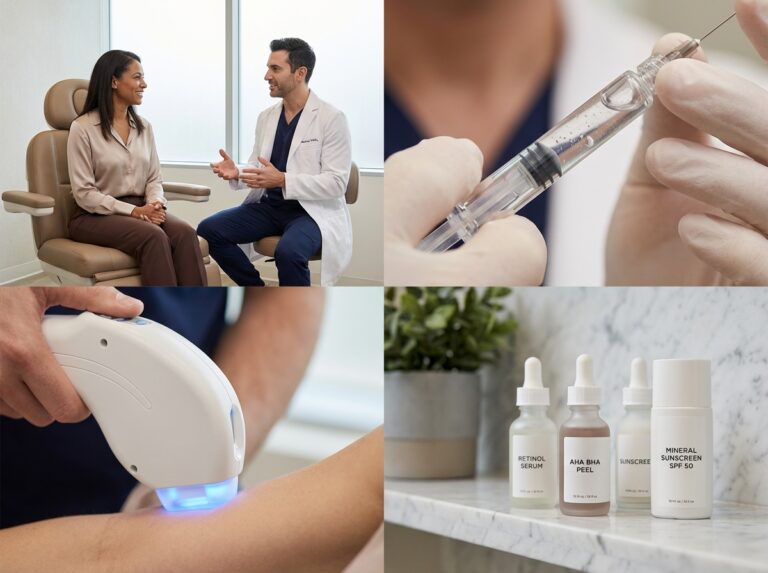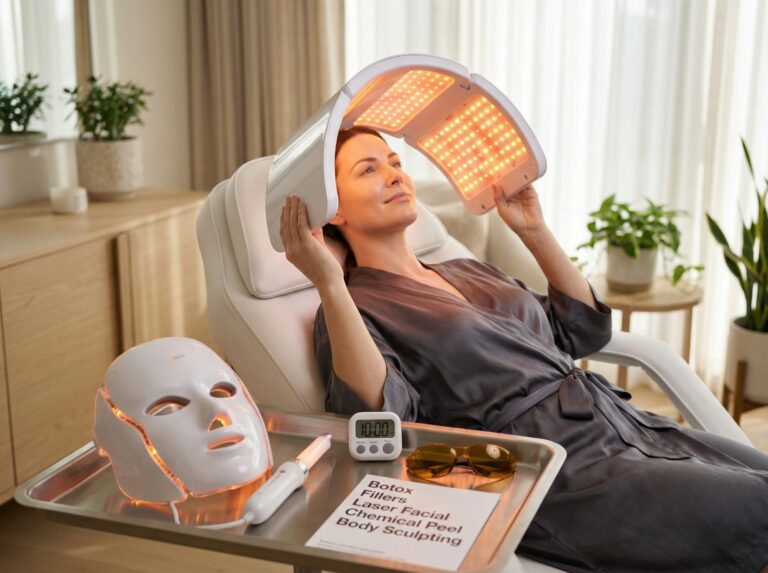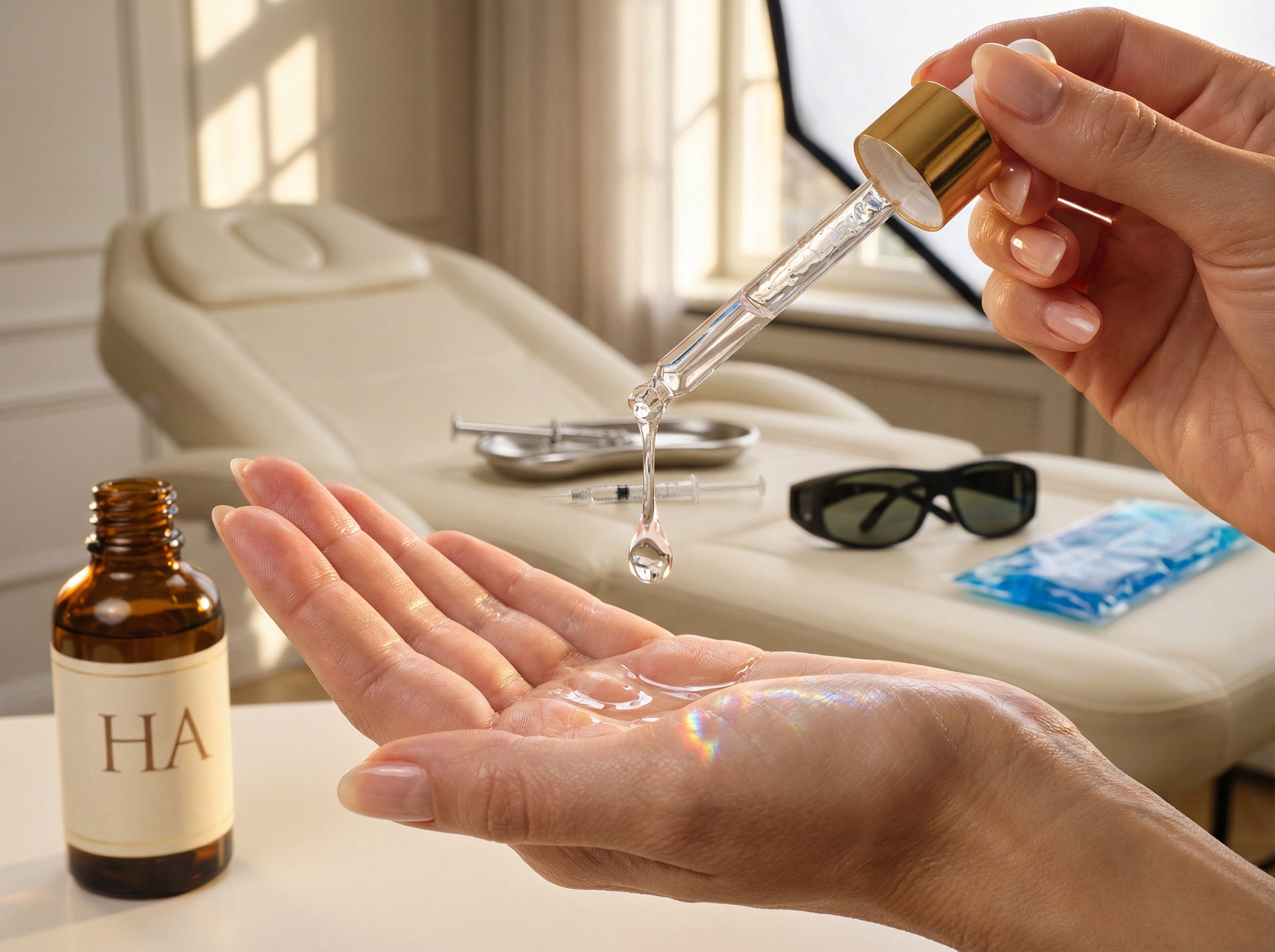
Hyaluronic acid serums are a cornerstone of aftercare for non‑invasive cosmetic treatments. Their hydration, barrier repair and wound‑healing benefits shorten recovery, reduce redness and support outcomes for Botox, fillers, laser facials, chemical peels and non‑surgical body sculpting. This article explains how HA works, how to choose the right formulation, and procedure‑specific timing and tips.
Why Hyaluronic Acid Matters for Recovery
When we talk about recovery after a cosmetic procedure, we usually think about downtime in terms of days off work or social events. But biologically, your skin is running a marathon. Whether you have just had a laser treatment, a chemical peel, or injectables, your skin barrier is temporarily compromised. This is where hyaluronic acid (HA) shifts from being a standard moisturizer to a critical medical tool. It is not just about hydration; it is about signaling your cells to repair themselves efficiently.
For years, we viewed HA simply as a humectant that holds 1,000 times its weight in water. That is true, but it is an oversimplification. In 2025, our understanding of hyaluronic acid aftercare has evolved. We now know that HA is a primary regulator of the wound healing process. It influences how your skin handles inflammation, how new blood vessels form, and how collagen is laid down. If you skip this step, you aren’t just risking dry skin; you are potentially prolonging the inflammatory phase of healing.
The Chemistry: Why Molecular Weight Dictates Results
Not all hyaluronic acid is created equal. The effectiveness of your serum depends entirely on the molecular weight of the HA chains used. This is measured in Daltons (Da). In the past, products often contained just one type, but the standard in 2025 is Multi-Molecular Hyaluronic Acid (MMHA). This approach combines different weights to target specific layers of the skin, which is vital when the skin barrier is disrupted.
High Molecular Weight (HMW-HA)
These molecules are too large to penetrate deep into the dermis. Instead, they sit on the surface. This might sound ineffective, but immediately after a procedure like microneedling or a peel, this is exactly what you need. HMW-HA forms a breathable, protective film that mimics the skin’s natural barrier. It prevents transepidermal water loss (TEWL), which spikes dramatically after thermal or chemical injury. It essentially acts as a temporary seal, keeping bacteria out and moisture in.
Low Molecular Weight (LMW-HA)
These smaller molecules can penetrate the compromised barrier to reach the living layers of the epidermis and dermis. This is where the biological work happens. LMW-HA interacts with specific cell receptors (like CD44 and RHAMM) to trigger repair mechanisms. It helps regulate the immune response and encourages the migration of keratinocytes—the cells that rebuild your skin’s surface. However, there is a balance. Very low molecular weight HA can sometimes be pro-inflammatory, so modern formulations are carefully calibrated to avoid this risk while maximizing penetration.
Biological Mechanisms of Recovery
To understand why we prioritize HA serum recovery protocols, we have to look at what happens at the cellular level. When your skin is traumatized by a laser or a needle, the body rushes to repair the damage. HA is involved in every stage of this process.
Modulation of Inflammation
Inflammation is a necessary part of healing, but prolonged inflammation leads to scarring or hyperpigmentation. HA helps moderate this. It reduces the release of pro-inflammatory cytokines, specifically TNF-α and IL-6. By keeping these signals in check, HA prevents the immune response from becoming excessive, which is particularly important for patients prone to post-inflammatory hyperpigmentation (PIH).
Extracellular Matrix (ECM) Support
The ECM is the scaffolding of your skin. Procedures like lasers destroy old collagen to stimulate new growth. HA provides the immediate structural support needed while that new collagen is being built. It creates a hydrated environment that allows fibroblasts—the cells that make collagen—to move freely and work efficiently. Without adequate HA, these cells become sluggish, and tissue remodeling slows down.
Angiogenesis and Re-epithelialization
For the skin to heal, it needs oxygen and nutrients. HA supports angiogenesis, the formation of new blood vessels, ensuring the treated area gets the blood supply it needs. Simultaneously, it promotes re-epithelialization. This means it helps the outer layer of skin close up faster. HA is involved in every stage of wound healing, from the initial inflammatory response to the final tissue remodeling, making it indispensable for rapid recovery.
Topical HA vs. Injectable Fillers vs. Medical Dressings
It is crucial to distinguish between the different forms of hyaluronic acid used in aesthetics. Patients often ask if applying a serum is the same as getting a filler, or if they can use their regular moisturizer on a fresh wound.
Topical Serums
These are non-cross-linked formulations designed for absorption. They are fluid, metabolize quickly (often within 24 hours), and require daily application. Their goal is surface hydration and signaling. This is what you use at home to recover after laser treatments or peels.
Injectable Fillers
Dermal fillers use cross-linked HA. The cross-linking process binds the molecules together to form a gel that resists breakdown by the body’s enzymes. This provides volume and structure for months or years. You cannot achieve volume replacement with a topical serum, and conversely, you cannot use a filler to hydrate the surface of a wound.
Medical Wound Dressings
For more aggressive procedures, such as fully ablative lasers or deep chemical peels, clinicians often use sterile HA-based wound dressings or viscous gels. These are distinct from cosmetic serums. They are manufactured under sterile conditions to prevent infection in open wounds and contain higher concentrations of HMW-HA to create a physical barrier. Standard cosmetic serums often contain preservatives or fragrances that are unsafe for open, oozing skin.
Safety Profile and Reducing Downtime
One of the main reasons HA is the gold standard for aftercare is its safety profile. Since hyaluronic acid is a substance naturally produced by the human body, allergic reactions are exceedingly rare. The risk usually comes from other ingredients in a formulation, such as preservatives (parabens, phenoxyethanol) or fragrances, rather than the HA itself.
Clinical observations and studies leading up to 2025 consistently demonstrate that adding HA to post-procedure protocols significantly reduces downtime. Patients report less tightness and burning sensations. Visually, erythema (redness) resolves faster in skin treated with HA compared to skin treated with standard petrolatum-based ointments alone. This is likely due to the dual action of cooling hydration and the anti-inflammatory properties mentioned earlier.
Furthermore, maintaining high hydration levels prevents the formation of hard scabs. In wound healing hyaluronic acid creates a moist environment. Moist wounds heal up to 50% faster than dry wounds and are less likely to scar. For a patient recovering from a fractional laser treatment, this means the difference between flaking off smoothly in five days versus dealing with rough, itchy crusting for ten.
Current Clinical Consensus
Recent market analysis indicates that Multi-Molecular Hyaluronic Acid (MMHA) is trending in 2025 because it addresses the complexity of skin recovery better than older, single-weight formulas. Dermatologists increasingly recommend bio-fermented HA sources, which now make up the vast majority of the global supply, due to their purity and lower risk of endotoxin contamination compared to animal-derived HA.
The consensus is clear: HA is not optional. It is a functional part of the healing kit. Whether you are looking for fillers aftercare advice or managing a post-peel face, the immediate introduction of a high-quality HA serum optimizes the biological environment for repair.
Actionable Takeaways
- Check the Molecular Weight: Look for “multi-molecular” or “multi-weight” on the label to ensure you are getting both surface protection and deep repair.
- Ingredients Matter: For the first 48-72 hours post-procedure, use a serum that is free from fragrance, acids, and retinoids. Simple is safer.
- Apply on Damp Skin: HA works by trapping moisture. Apply it immediately after cleansing while the skin is still slightly wet to maximize hydration.
- Seal It In: HA pulls moisture in, but it needs an occlusive layer (like a moisturizer or balm) on top to prevent that moisture from evaporating into the air.
- Sterility for Open Wounds: If your skin is broken or oozing (like after an ablative laser), use only sterile, clinician-approved HA products, not over-the-counter cosmetic serums.
Now that we understand the biological necessity of hyaluronic acid, the next step is practical application. Not every serum fits every procedure. A heavy gel might be perfect after a laser treatment but too sticky for daily use after Botox. In the next section, we will break down exactly how to select and use the right formulation for your specific treatment.
Choosing and Using HA Serums After Different Treatments
Picking the right bottle off the shelf matters just as much as the procedure itself. You wouldn’t put regular gas in a high-performance car, and you shouldn’t put a fragrance-heavy, acidic serum on skin that has just been lasered or injected. The goal here is simple: speed up the healing and don’t mess up the work your clinician just did.
Here is how to navigate hyaluronic acid (HA) serums for specific treatments, based on the skin’s biological needs in late 2025.
Botox and Neuromodulators
Neuromodulators like Botox, Dysport, or Daxxify involve needle punctures, but the trauma to the skin is minimal. The primary concern here is not disrupting the placement of the toxin.
Timing and Rationale
You can apply HA serum immediately after the procedure, provided the product is clean and applied gently. Most clinicians will apply a sterile HA gel right in the chair. The goal is to seal the barrier without spreading the toxin to unintended muscles.
Product Features to Prefer
Look for a light, water-based serum rather than a thick gel. A “minimalist” formula is best here—water, hyaluronic acid, and a simple preservative system. Avoid heavy occlusives that require rubbing to absorb.
Ingredient Pairings and Avoidance
Pair with: Peptides (to support the anti-aging effect) and Arnica (if you are prone to bruising).
Avoid: Retinoids and Alpha Hydroxy Acids (AHAs) for the first 24 hours. While the skin isn’t “raw,” the injection points are tiny open wounds. Acidic products can sting and cause unnecessary inflammation.
Application Routine
Morning & Evening (Days 1–3): Cleanse with a gentle, non-foaming cleanser. Dispense the HA serum into your palms and press it into the skin. Do not rub or massage the treated area. Seal with a light moisturizer and SPF in the morning.
Hyaluronic Acid Dermal Fillers
Whether it is lips, cheeks, or jawline, fillers create volume and stretch the tissue slightly. The skin needs hydration to accommodate this new volume, but you must avoid pressure.
Timing and Rationale
Wait until the injection points have closed, usually about 4 to 6 hours. Many patients worry that topical HA might “dissolve” or interfere with the injectable filler. This is a myth. Topical HA stays in the epidermis and dermis, while filler is placed much deeper. They do not interact negatively; in fact, topical HA supports the surface skin quality over the filler.
Product Features to Prefer
Choose a medium-viscosity serum. By 2025, Multi-Molecular Hyaluronic Acid (MMHA) has become the standard for these products. You want high molecular weight HA to sit on the surface and create a protective cushion.
Ingredient Pairings and Avoidance
Pair with: Centella Asiatica (to soothe inflammation) and Vitamin K (to help clear bruising).
Avoid: Physical exfoliants (scrubs) and sonic cleansing brushes for at least one week. You want to avoid moving the filler.
Sample Timeline (First 2 Weeks)
Days 1–3: Use HA serum twice daily to reduce surface dryness. Apply ice packs over a clean cloth, not directly on skin.
Days 4–14: Reintroduce gentle actives like niacinamide alongside your HA serum to support barrier repair.
Non-Ablative Lasers and IPL
Treatments like BBL, Moxi, or Clear + Brilliant leave the skin barrier intact but create significant heat and internal inflammation. The skin feels like a bad sunburn.
Timing and Rationale
Start immediately. The skin is hot and losing water rapidly due to thermal injury. An HA serum helps regulate temperature (if stored in the fridge) and prevents Transepidermal Water Loss (TEWL).
Product Features to Prefer
A cooling gel texture is superior to a watery liquid here. Look for “bio-fermented” HA, which is the industry standard in 2025 for purity and lower risk of allergic reaction. Ensure the product is fragrance-free; alcohol-based scents will burn intensely on heated skin.
Ingredient Pairings and Avoidance
Pair with: Panthenol (Vitamin B5) and Aloe Vera. These work synergistically with HA to cool the tissue.
Avoid: Vitamin C (L-Ascorbic Acid) for 3–5 days. The low pH required for Vitamin C stability is too irritating for heated skin.
Application Routine
Morning & Evening: Cleanse with cool water. Apply a generous layer of chilled HA serum. Let it sit for a minute before applying a barrier repair cream. Reapply the HA serum midday if the skin feels tight or hot.
Ablative Lasers and Fractional Resurfacing
CO2 lasers or Erbium treatments vaporize columns of tissue. This is a controlled injury that leaves open wounds. This is the most critical category for product safety.
Timing and Rationale
First 24–72 hours: Do not use standard cosmetic serums. Use only sterile, prescription ointments or specific medical-grade wound gels provided by your clinician.
Day 4 onwards: Once re-epithelialization (new skin growth) has started, switch to a high-quality topical HA serum to prevent crusting and scarring.
Product Features to Prefer
Sterility is the priority. If you are transitioning from ointment, look for single-dose ampoules of HA to avoid contamination. The formula must be free of “penetration enhancers” like propylene glycol, which can cause granulomas in healing skin.
Ingredient Pairings and Avoidance
Pair with: Ceramides and Growth Factors. Once the skin closes, these help rebuild the lipid barrier.
Avoid: Everything else. No acids, no retinoids, no fragrances, no essential oils until fully healed (usually 10–14 days).
Sample Timeline
Days 1–3: Sterile saline soaks and prescribed ointment only.
Days 4–7: Introduce sterile HA serum to keep scabs pliable. Dry scabs scar; hydrated scabs heal.
Week 2: Continue HA serum morning and night. Skin will be pink and thirsty.
Chemical Peels (Superficial and Medium)
Peels strip the stratum corneum. The skin will feel tight, like parchment paper, before it cracks and peels.
Timing and Rationale
Start the morning after the peel. The immediate post-peel period is often left dry or treated with a specific post-procedure kit. Once you wash your face the next day, HA is essential to manage the “tight” sensation without preventing the old skin from shedding naturally.
Product Features to Prefer
A hydrating serum with a pH close to the skin’s natural level (around 5.5). Avoid extremely low molecular weight HA immediately after a peel, as it penetrates deeply and might sting sensitized nerve endings. A mix of medium and high molecular weight is safer for the best hyaluronic serum post peel experience.
Ingredient Pairings and Avoidance
Pair with: Niacinamide (to control post-inflammatory hyperpigmentation).
Avoid: Facial oils (initially). While oils seal in moisture, applying them too early on a peeling face can sometimes glue dead skin cells down, interfering with the shedding process.
Non-Surgical Body Sculpting
Procedures like Cryolipolysis (CoolSculpting), Radiofrequency (RF), and HIFU are often neglected in terms of aftercare. However, the skin over the treated fat needs support to retract and firm up.
Timing and Rationale
Start immediately. For heat-based treatments (RF), HA hydrates the tissue to manage inflammation. For cold-based treatments, massage is often required, and an HA serum provides excellent slip without clogging pores.
Product Features to Prefer
Volume matters. You are treating a stomach or thigh, not a face. Look for body-specific HA formulations or large-format serums. Viscosity should be higher (gel-like) to allow for the massage often recommended after body contouring.
Ingredient Pairings
Pair with: Caffeine and Peptides. These ingredients in body serums help with microcirculation and skin tightening alongside the hydration from HA.
Special Situations and Safety
Sometimes recovery does not go by the book. Here is how to adjust.
Fragile or Sensitized Skin
If your skin reacts to everything, skip complex formulas. Look for products with fewer than 10 ingredients. The effects of hyaluronic acid on skin at the cellular level include regulating immune responses, so a pure HA serum can actually help calm the reaction, provided it doesn’t contain irritating preservatives like methylisothiazolinone.
Open Crusting or Denuded Skin
If you have raw, weeping skin (common after aggressive CO2 laser or deep peels), stop using your bottle of serum. Bacteria from the dropper can infect the wound. Switch to sterile, single-use packets or a medical barrier cream until the skin is dry and closed.
Practical Tips for Success
The Fridge Hack
Store your HA serum in the refrigerator. Cold application causes vasoconstriction, which helps reduce redness and swelling immediately after heat-based treatments.
Patch Testing
Even if you have used a product before, your skin changes after a procedure. Test the serum on a small area of your neck before applying it to your full compromised face.
Application Technique
Always apply HA serum to damp skin. HA works by holding water. If you apply it to bone-dry skin in a dry climate, it can actually pull water out of your skin. Mist your face with thermal water or tap water, apply the HA, and immediately seal it with a moisturizer.
Layering Order
Hyaluronic acid should generally go on first (after cleansing) because it acts as a humectant to draw water in. Sunscreen always goes last. Be careful with Vitamin C immediately after a procedure; L-ascorbic acid requires a low pH (acidic) to be effective, which can sting and irritate sensitized skin. Pause strong Vitamin C serums for a few days post-procedure.
Hygiene and Handling
The serum itself is usually safe, but the application method can introduce bacteria. Never touch the glass dropper directly to your face—especially near injection sites or laser-treated skin. Hover the dropper above your palm or face to dispense the product. If your skin is broken or oozing, use single-use sterile sachets or a pump dispenser instead.
Duration of Use
You should continue using HA indefinitely, but it is critical for the first 14 days. This is the window where your skin barrier is re-establishing itself. Even after the visible healing is done, the new collagen formation and tissue remodeling continue for months.
Key Takeaways and Next Steps
We have covered the science, the schedules, and the specific questions regarding hyaluronic acid (HA) in your recovery toolkit. This final section brings everything into a practical focus. You need a clear plan to transition from the clinic back to your daily routine without compromising your investment.
Quick Recovery Timeline by Procedure
Use this quick reference to know exactly when to reintroduce your HA serum based on the treatment you received.
- Botox and Dysport
Safe to apply immediately. Use a gentle touch to avoid moving the toxin to unintended muscles. - Dermal Fillers
Wait 24 hours before applying pressure or heavy rubbing. Light application of sterile HA is usually permitted immediately to soothe the injection site. - Microneedling
Apply sterile HA immediately during and after the procedure. Continue generous application for the first 48 hours to keep micro-channels hydrated. - Chemical Peels (Light)
Start the evening of the treatment. It helps manage the tight, dry sensation as the skin prepares to shed. - Chemical Peels (Deep)
Wait until the initial epithelialization occurs, usually 24 to 48 hours. Follow your doctor’s specific wound care instructions first. - Laser Resurfacing (Non-Ablative)
Apply immediately to cool the skin and reduce the sensation of heat. Reapply every 2 to 3 hours if the skin feels tight. - Laser Resurfacing (Ablative)
Strictly follow provider instructions for the first 24 hours (often vinegar soaks or petrolatum). Introduce sterile HA once the open wound phase passes, typically after day 2 or 3. - Non-Surgical Body Sculpting
Safe to use immediately. While these treatments rarely break the skin, HA helps improve skin elasticity over the treated fat pockets.
Patient Recovery Checklist
Print this list or save it to your phone. These 10 steps are your safety net to ensure you are using your products correctly during the vulnerable healing phase.
- Verify Product Age
Do not use an old bottle that has been sitting open in your bathroom for six months. Bacteria growth is a real risk. Buy a fresh, sealed bottle for your recovery. - Check the Ingredient List
Scan for “parfum,” “fragrance,” or “limonene.” If present, do not use it on broken or sensitized skin. - Wash Hands Thoroughly
Never touch your face or the dropper tip with unwashed hands. Infection is the biggest enemy of a good aesthetic result. - Apply to Damp Skin
HA works by trapping moisture. Apply it while your skin is still slightly damp from cleansing or a thermal water spray to maximize hydration. - Use the “Hover” Technique
Do not let the dropper touch your skin directly. Hover it above your face to dispense the product to keep the remaining serum sterile. - Seal It In
HA draws moisture, but it needs an occlusive layer to keep it there. Follow with a plain moisturizer or barrier cream recommended by your provider. - Monitor for Reaction
If you feel burning that lasts more than a few seconds, wash it off immediately. Mild tingling can be normal, but burning is a warning sign. - Sun Protection is Mandatory
HA does not block UV rays. Once your skin has healed enough for sunscreen (usually 24 hours), apply SPF 30+ over your HA serum every morning. - Hydrate from Within
Drink plenty of water. HA pulls moisture from the blood vessels in the dermis as well as the air. Systemic hydration supports the topical effect. - Keep it Cool
Store your HA serum in the fridge (if the formula allows). The cool temperature provides vasoconstriction to help reduce swelling and redness.
Practical Next Actions
Your journey to better skin does not end when you leave the clinic chair. The choices you make in the 48 hours following your appointment define your results.
Consult Your Provider
Before you leave the office, show your provider the exact HA serum you plan to use. Ask specifically: “Is this formula safe for the depth of treatment we did today?” They know the specific micro-injuries they created and can approve or veto a product instantly.
Ask for Samples
Clinics often have sterile, medical-grade samples of HA serums specifically designed for post-procedure care. These are often safer than what you might pick up at a standard beauty store because they are free from preservatives that trigger sensitivity.
Monitor Your Healing
Watch your skin closely. If redness increases after 24 hours, or if you see pus or excessive swelling, stop all products and call your clinic. HA is safe, but it cannot fix an underlying infection or an allergic reaction to a different product.
Recovery is an active process. By choosing the right high-quality serum and applying it correctly, you support your body’s natural repair mechanisms. This diligent approach allows you to maximize results minimize downtime hyaluronic acid aftercare.
Sources
- Effects of hyaluronic acid on skin at the cellular level – PubMed Central — HA is involved in every stage of wound healing, from inflammation to tissue remodeling. It regulates immune responses, facilitates cell …
- Hyaluronic Acid Products Demand & Growth 2025-2035 — The hyaluronic acid products market is valued at USD 9.43 billion in 2025 and is projected to reach USD 15.94 billion by 2035, growing at a CAGR of 5.4%.
- Hyaluronic Acid Market Size & Share | Industry Report, 2030 — The global hyaluronic acid market size was estimated at USD 10.73 billion in 2024 and is projected to grow at a CAGR of 7.81% from 2025 to 2030.
- Bio-Fermented Hyaluronic Acid Becomes Industry Standard as … — According to FMI's research study, Bio-Fermented Hyaluronic Acid Market Forecast and Outlook, this market will surge from $63.7 million in 2025 …
- Hyaluronic Acid Market Size to Attain USD 19.94 Bn by 2034 — The global hyaluronic acid market is projected to grow from USD 11.81 billion in 2025 to USD 19.94 billion by 2034, registering a CAGR of 5.99%.
- Advanced Hydration with Multi-Molecular Hyaluronic Acid (MMHA) — Hyaluronic Acid (HA) has been a superstar ingredient for hydration for over a decade, and it's still reigning in 2025 – but now in a more …
- united states hyaluronic acid market forecast 2025-2032 — Over 3 million injectable treatments involving hyaluronic acid benefits are performed annually, driven by the demand for anti-aging products and the popularity …
Legal Disclaimers & Brand Notices
The information provided in this article is for informational and educational purposes only and does not constitute medical advice, diagnosis, or treatment. Always seek the advice of a physician or other qualified health provider with any questions you may have regarding a medical condition or specific recovery protocols following a cosmetic procedure.
All product names, logos, and brands mentioned in this article are the property of their respective owners. This includes, but is not limited to:
- Botox and CoolSculpting, which are registered trademarks of Allergan Aesthetics (an AbbVie company).
- Dysport, which is a registered trademark of Galderma.
The use of these names, logos, and brands is for identification purposes only and does not imply endorsement, affiliation, or certification by the trademark owners.