Microneedling commonly causes short-term redness and inflammation. This guide explains why redness happens, fast evidence-based hacks to reduce it immediately, realistic recovery timelines, and when to contact your provider. It sits within broader aftercare advice for Botox, fillers, lasers, and peels so you can protect results, minimize risks, and return to daily life with confidence.
Why Redness Happens and What to Expect
The Biological Process of Post-Treatment Erythema
Microneedling works by creating thousands of tiny punctures in the skin surface known as controlled micro-injuries. Your skin does not distinguish between a professional cosmetic treatment and an accidental injury; it reacts by initiating a complex inflammatory cascade. This process begins the moment the needles penetrate the tissue. The physical trauma triggers the release of histamine, causing histamine-mediated vasodilation. Your blood vessels expand to allow more blood to reach the site of the injury. This increased blood flow brings oxygen and nutrients needed for repair, which is the primary reason your skin looks flushed or red immediately after a session. This response is a necessary part of the healing cycle that eventually leads to new collagen production. According to the Microneedling: Complete Guide, Benefits, and FAQs 2025, over 80 percent of clinical studies report visible skin improvements after several sessions, but this initial redness is the price of entry for those results.
How Device Choice and Depth Influence Inflammation
The type of tool used by your provider significantly changes how much redness you will experience. Manual derma rollers often cause more widespread trauma because the needles enter and exit the skin at an angle, potentially leading to tearing and a longer recovery time. In contrast, automated microneedling pens move needles vertically, creating cleaner channels and typically resulting in less surface irritation. Radiofrequency (RF) microneedling adds another layer of complexity by delivering heat energy into the deeper layers of the skin. While this heat stimulates more collagen, it also intensifies the initial inflammatory response. Data from 2025 shows that 86 percent of patients experience immediate redness after radiofrequency treatments. However, a study on the efficacy of radiofrequency and tolerability of microneedling noted that 68 percent of subjects saw an improvement in redness quickly when a proper skincare protocol was followed. Needle depth is the other major factor. Superficial treatments only reach 0.5 to 1.0 millimeters, usually resulting in redness that fades within 24 to 48 hours. Deeper professional treatments reaching 2.0 or 2.5 millimeters can keep the skin red for up to a week.
| Treatment Type | Typical Needle Depth | Expected Redness Duration |
|---|---|---|
| At-home or Light Office | 0.25mm to 1.0mm | 24 to 48 hours |
| Medium Professional | 1.0mm to 2.0mm | 48 to 72 hours |
| Deep or RF Microneedling | 2.0mm to 2.5mm | 3 to 7 days |
| Microneedling with PRP | Varies | 5 to 7 days |
Patient Factors That Delay Healing
Individual skin chemistry and health history play a massive role in how long you stay red. People with sensitive skin or diagnosed rosacea often experience chronic inflammation because their blood vessels are more reactive, extending the flushed appearance by several days. Your skin tone also matters. Those with darker Fitzpatrick skin types (IV through VI) must be particularly careful. While redness might be less obvious visually, the underlying inflammation poses a risk for post-inflammatory hyperpigmentation. Clinical data suggests this occurs in 10 to 20 percent of patients with darker skin tones if the skin is not calmed quickly or if sun exposure occurs. Certain medications and lifestyle factors also interfere. Blood-thinning medications like aspirin or high doses of fish oil increase the risk of bruising, which can make the skin look purple or dark red for much longer than the standard 72 hours. Autoimmune issues can also slow down the cellular repair process. If you have an active acne breakout or a skin infection, the inflammatory cascade is amplified, prolonging redness and increasing the risk of spreading bacteria through the micro-channels.
The Impact of Adjuncts and Combined Procedures
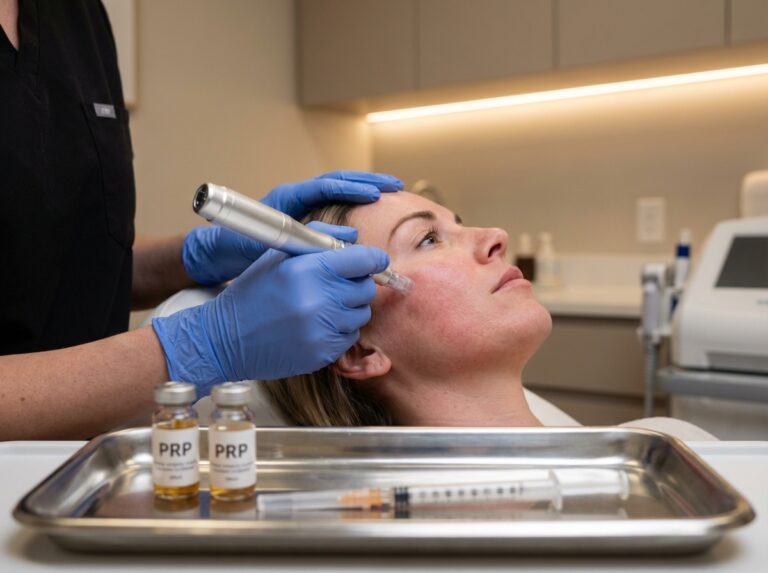
Many providers now combine microneedling with other treatments to boost results. Platelet-Rich Plasma (PRP) is a common addition. While PRP contains growth factors that help long-term healing, it actually increases the initial inflammatory response. You might stay red for an extra two days compared to a standard session. Combined procedures like microneedling followed by a light chemical peel or laser treatment will also alter your expectations. These combinations create a “double hit” to the skin barrier. A light peel might only add a day of redness, but a deeper laser combination can extend recovery to two weeks. If you are planning injectables like Botox or fillers, timing is critical. Most experts suggest waiting at least 48 hours for dermal fillers and up to 14 days for Botox to ensure the inflammation has subsided. This prevents the spread of the injectable product and reduces the risk of localized swelling.
Red Flags and When to Contact a Professional
While redness is expected, you need to know when it crosses the line into a complication. Normal post-treatment skin feels like a mild sunburn; it might be tight or itchy. However, certain symptoms require immediate medical attention. If you notice warmth that is spreading away from the treatment area, it could indicate an infection. Increasing pain after the first 48 hours is another warning sign. Most discomfort should peak within the first day and then steadily improve. Purulent drainage or yellow crusting is never normal. You should also watch for a fever over 100.4 degrees Fahrenheit. One of the most serious signs is streaking erythema or rapidly expanding redness. This could signal cellulitis, a deep skin infection that needs urgent care. According to a report on how microneedling can damage your skin, lingering inflammation that does not improve within a week often signals that the skin barrier is struggling to repair itself.
| Symptom | Normal Expectation | Red Flag (Call Provider) |
|---|---|---|
| Skin Temperature | Mild warmth for 24 hours | Spreading heat or hot to the touch |
| Pain Level | Stinging or tenderness | Throbbing or increasing pain after Day 2 |
| Discharge | Clear weeping (serous fluid) | Pus or cloudy yellow drainage |
| Redness Pattern | Uniform flushing | Red streaks or rapidly expanding borders |
| Systemic Signs | None | Fever, chills, or swollen lymph nodes |
Understanding these biological triggers helps you manage the recovery phase with less anxiety. The redness is a sign that your skin is working to rebuild its structure. By recognizing your specific risk factors and the depth of your treatment, you can better predict your personal timeline for returning to normal activities.
Fast Effective Aftercare Hacks to Calm Redness Now
Managing the immediate aftermath of a microneedling session requires a disciplined approach to skin recovery. The first six hours are the most critical for controlling the initial inflammatory surge. During this window, your skin is highly reactive because the micro-channels are still open. You should apply a gentle cold compress to the treated area to constrict blood vessels and reduce heat. It is vital to use a clean barrier cloth between the cold pack and your skin. Do not apply ice directly to the face. Direct ice contact can cause frostbite or further damage the compromised tissue. Use intermittent cooling cycles of ten to fifteen minutes. This technique helps soothe the burning sensation without over-chilling the skin. Most patients experience the peak of their redness during these first few hours. Following a strict protocol can improve redness by up to 68 percent according to recent clinical observations.
Safe Cleansing Practices
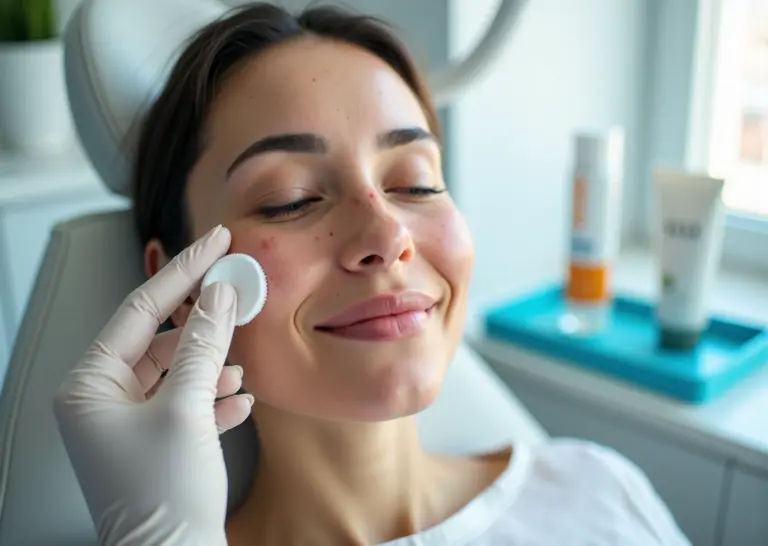
Wait at least six hours before you attempt to wash your face. When you do cleanse, use only lukewarm water. Hot water will increase blood flow and worsen the redness. Choose a gentle, non-foaming cleanser that is free from sulfates and fragrances. Foaming agents often contain surfactants that strip the skin of its natural oils, which you need for healing. Apply the cleanser with your fingertips using very light, circular motions. Do not use washcloths, loofahs, or facial brushes. Scrubbing will irritate the micro-injuries and could lead to scarring or prolonged inflammation. Pat the skin dry with a fresh, soft towel. Avoid rubbing the skin at all costs during the first 72 hours.
Cosmetics and Makeup Timing
You should wait at least 24 to 48 hours before applying any cosmetics to the treated area. Once this window has passed, only use mineral-based makeup that allows the skin to breathe. Applying traditional liquid foundations too early can trap bacteria or synthetic fragrances inside the open micro-channels, which leads to breakouts or prolonged inflammation. Waiting until the skin has closed its primary channels ensures that you do not interfere with the natural healing process or trigger a secondary reaction.
Immediate Topical Applications
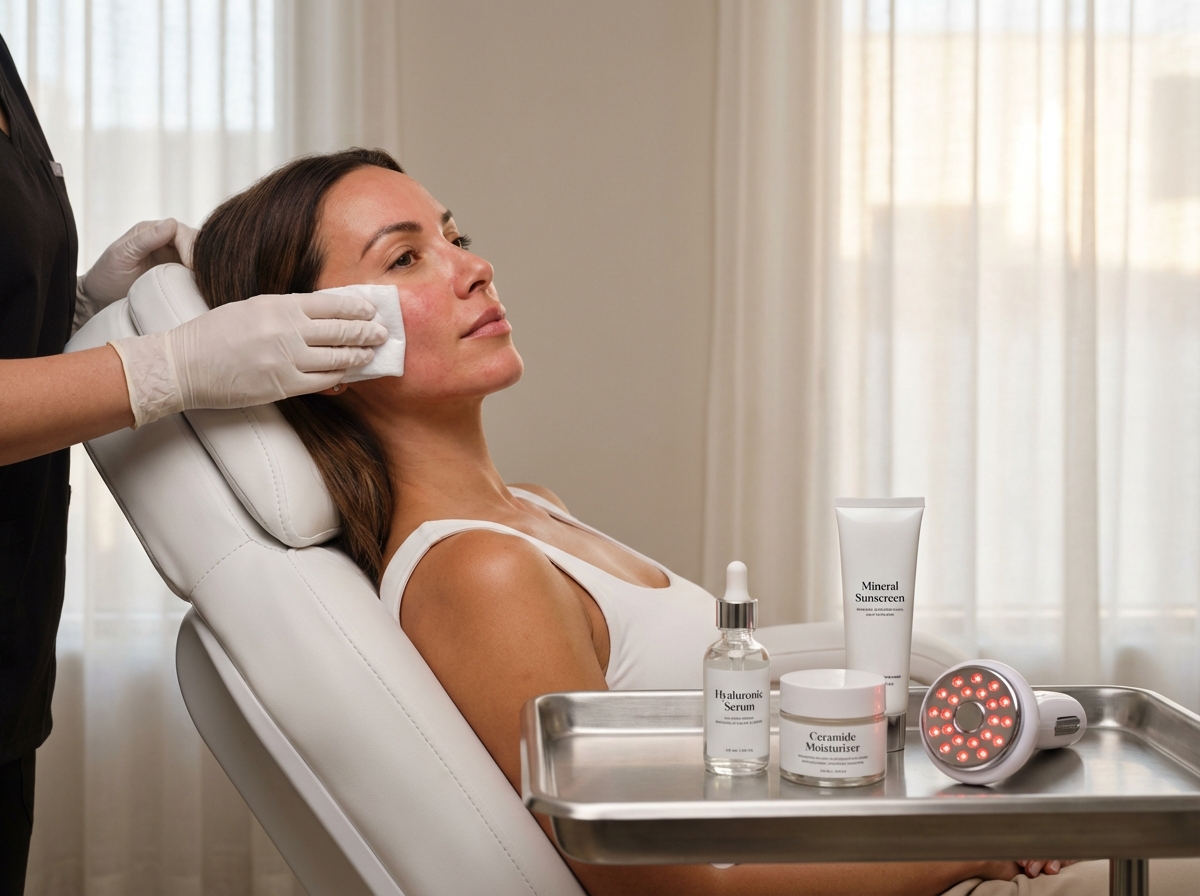
Once the skin is clean, you must focus on hydration and barrier repair. Sterile hyaluronic acid serums are the best choice immediately after treatment. Hyaluronic acid is a natural humectant that draws moisture into the skin without clogging the open channels. Look for formulations that are specifically labeled for post-procedure use. Panthenol, which is provitamin B5, is another excellent ingredient. It has been shown to reduce redness in a vast majority of subjects by supporting the skin’s regenerative processes. You can also apply a thin layer of a barrier ointment. Petrolatum-based products or ceramide-rich moisturizers create a protective seal. This seal prevents transepidermal water loss and keeps environmental irritants out of the healing tissue. This is especially important if you had a deeper treatment or used a device authorized by the FDA for wrinkles or acne scars.
Appropriate OTC and Home Remedies
Several over-the-counter options can assist with recovery. Pure aloe vera gel is a safe choice for reducing heat and inflammation during the first 48 hours. Ensure the gel is 100 percent pure and free from alcohol or added colors. If you notice bruising, topical arnica can be applied to the affected areas. Arnica helps speed up the reabsorption of blood in the tissue. For patients who experience intense itching, an oral antihistamine like loratadine can be helpful. Itching is a common side effect of the histamine release triggered by the needles. Avoid topical corticosteroids unless your clinician specifically prescribes them. Steroids can sometimes interfere with the natural wound-healing cascade that produces collagen. Similarly, do not use topical antibiotics unless prescribed; over-the-counter antibiotic ointments can cause allergic reactions in some patients and are generally unnecessary for sterile procedures.
| Ingredient Type | Wait Time | Reason for Delay |
|---|---|---|
| Retinoids (Retinol, Tretinoin) | 7 to 14 Days | Prevents severe irritation and barrier disruption |
| High-Concentration Vitamin C | 3 to 7 Days | Avoids stinging and potential chemical burns on open skin |
| AHAs and BHAs (Glycolic, Salicylic) | 48 to 72 Hours | Prevents over-exfoliation of the new skin layer |
| Benzoyl Peroxide | 72 Hours | Avoids excessive dryness and inflammatory response |
| Fragrances and Essential Oils | 72 Hours | Reduces the risk of contact dermatitis and sensitivity |
Lifestyle Adjustments for Faster Healing
Your daily habits significantly impact how quickly the redness fades. Avoid all sources of excessive heat for at least 72 hours. This includes saunas, steam rooms, and hot showers. You should also skip heavy exercise. Physical exertion increases your core body temperature and sends more blood to the face, which can reignite the redness. Stay away from alcohol and spicy foods. Both are known vasodilators that can make your face flush. When you go to sleep, use an extra pillow to keep your head elevated. This helps drain excess fluid and minimizes morning swelling. Wear loose, breathable clothing if you had treatments on your neck or chest. Additionally, avoid air travel for 48 hours if you have significant facial swelling because cabin pressure can worsen the edema. Staying hydrated by drinking eight to ten glasses of water daily supports the skin’s ability to repair itself from the inside out.
Sun Protection and Advanced Adjuncts
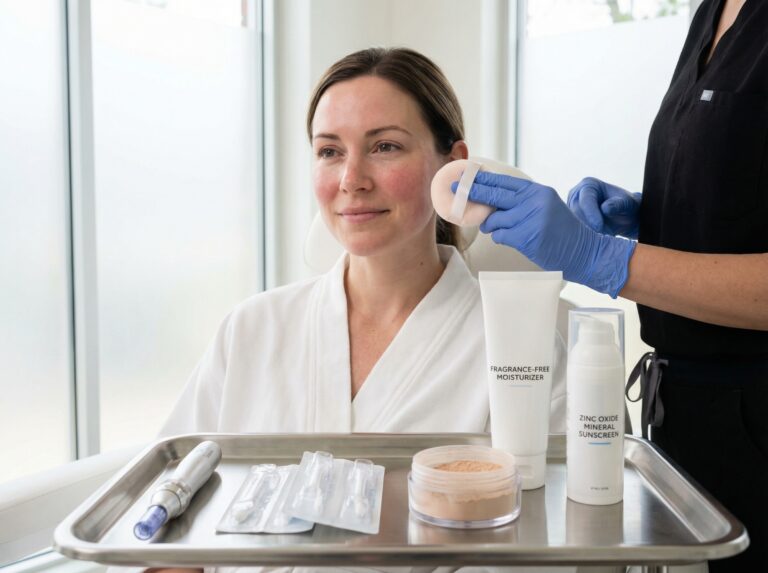
Sun protection is non-negotiable after microneedling. However, you should wait 24 hours before applying sunscreen to ensure the micro-channels have closed. Use only mineral sunscreens containing zinc oxide or titanium dioxide. These physical blockers sit on top of the skin and reflect UV rays without causing the chemical irritation associated with organic filters. If you are looking for ways to speed up the process, LED red or near-infrared therapy is an evidence-supported option. These light wavelengths can reduce inflammation and stimulate cellular repair. You must clear this with your clinician first. Most providers suggest waiting 24 hours before starting light therapy. According to a complete guide to microneedling, proper sun avoidance is the most effective way to prevent post-inflammatory hyperpigmentation.
Managing Discomfort Safely
If you feel pain after the procedure, acetaminophen is the preferred choice. You can take 500 to 1000 mg every six hours as needed during the first day. Avoid NSAIDs like ibuprofen or aspirin. These medications can thin the blood and increase the risk of bruising or bleeding. You should also stop taking fish oil supplements for a few days post-treatment for the same reason. If the redness is accompanied by significant swelling, continue with the cool compresses and elevation rather than reaching for stronger medications. Most discomfort should subside within the first 24 to 48 hours as the skin begins its initial repair phase.
Troubleshooting Your Recovery
It is helpful to know what a normal recovery looks like day by day. On the first day, expect 86 percent of patients to show significant redness. You might also see small marks from the needles. By the second day, you should see a 50 to 70 percent improvement if you follow the aftercare protocol. By the third day, redness should be less than 25 percent of the original intensity. If your skin does not follow this trajectory, you may need to contact your provider. Watch for red flags such as spreading warmth, increasing pain after 48 hours, or yellow drainage. These can be signs of a localized infection. A fever over 100.4 degrees Fahrenheit or rapidly expanding red streaks requires immediate medical attention. Most cases of lingering redness are simply due to sensitive skin or deeper needle depths, but it is always better to consult a professional if you are concerned. Clinical data from radiofrequency microneedling studies shows that nearly all mild side effects resolve within a week when proper skincare is used.
Final Takeaways and Recovery Checklist
The recovery phase after microneedling is just as important as the procedure itself. Your skin is currently in a state of controlled inflammation. This process involves histamine-mediated vasodilation and increased blood flow. While this is what triggers collagen production it is also what causes the temporary redness you see in the mirror. Following a strict protocol can significantly reduce this downtime. Data from 2025 shows that patients who follow a specific aftercare routine see a sixty-eight percent improvement in redness and treatment marks compared to those who do not. You can expect your skin to feel healthier and look younger within four weeks if you manage the initial inflammatory cascade correctly.
The 72 Hour Recovery Checklist
Cooling and Calming
During the first day you should expect significant redness. You can manage this by applying a gentle cold compress for ten minutes every two hours. Always use a clean barrier cloth between the cooling pack and your skin to prevent frostbite. This helps constrict blood vessels and reduces the flushed appearance. Avoid using ice directly on the skin as the barrier is currently compromised and vulnerable to extreme temperatures.
Cleansing Protocol
You must wait at least six hours before touching your face. When you do wash use only lukewarm water and a non-foaming gentle cleanser. Do not scrub or use a washcloth. Pat the skin dry with a clean paper towel to avoid bacteria from regular bathroom towels. You should repeat this twice daily to keep the micro-channels clean without stripping the natural lipids that are trying to repair the surface.
Hydration Strategy
Apply a sterile hyaluronic acid serum at least three times a day. This ingredient is essential because it can hold a thousand times its weight in water. It helps seal the open channels and prevents transepidermal water loss. Many clinicians recommend products containing panthenol or provitamin B5. These have been shown to reduce redness in ninety-seven percent of subjects in recent clinical trials.
Strict Avoidance of Actives
You must stop using all aggressive skincare products for at least seventy-two hours. This includes AHAs and BHAs as well as benzoyl peroxide. These exfoliants will worsen inflammation and could lead to chemical burns on open skin. Do not use any products with fragrances or essential oils. These are common triggers for contact dermatitis when the skin barrier is broken.
Sun Protection and Heat
Avoid direct sun exposure entirely for the first three days. Your skin has no natural defense against UV rays right now. You should also stay away from saunas and hot showers or heavy exercise. Sweat can irritate the micro-injuries and increase the risk of a breakout or infection. If you must go outside wear a wide-brimmed hat and stay in the shade.
The One Week Transition
Monitoring Pigment Changes
As you move into days four through seven you should watch for any signs of post-inflammatory hyperpigmentation. This is especially important for those with Fitzpatrick skin types IV through VI. If you notice dark spots forming instead of the redness fading you should contact your provider. Most redness should be less than twenty-five percent of its original intensity by the third day. If the skin remains bright red after a week it may signal lingering inflammation that needs professional attention.
Reintroducing Gentle Care
By day five you can usually bring back a basic ceramide-based moisturizer. This helps rebuild the skin barrier. You can also start using a mineral-based sunscreen containing zinc oxide or titanium dioxide. These physical blockers are less irritating than chemical sunscreens. You should continue to avoid vitamin C or retinoids until at least day seven to fourteen depending on the depth of your treatment.
Long Term Results and Safety
Maximizing Your Investment
The global microneedling market has grown to over eight hundred million dollars in 2025 because the results are measurable. Clinical studies show a four hundred percent increase in collagen and elastin after a series of four sessions. To keep these results you should maintain a daily SPF 30 plus routine. You can gradually reintroduce your active serums in the second week. Start with a low concentration of vitamin C to support the new collagen growth. Most patients see the best outcomes with four to six sessions spaced about a month apart. You can find more details on the efficacy of these protocols in this study on skincare protocols and redness.
When to Contact the Clinic
You must be able to distinguish between normal healing and a complication. Contact your clinic immediately if you experience a fever over 100.4 degrees. Look for purulent drainage or spreading warmth. These are clear signs of a bacterial infection. Increasing pain after the first forty-eight hours is a red flag. If you see streaking redness or a rapidly expanding rash you may be dealing with cellulitis or a severe allergic reaction. Persistent redness beyond the expected timeline for your treatment depth should always be reported to your aesthetician or dermatologist.
Coordinating Other Treatments
If you use other non-invasive treatments you must plan your calendar carefully. Wait at least two weeks after microneedling before getting Botox injections. Dermal fillers require a minimum wait of forty-eight hours to ensure the initial swelling has subsided. If you are combining microneedling with laser therapy you should space the sessions four to six weeks apart. This prevents chronic inflammation and allows the skin to fully remodel between injuries. Always follow the individualized plan provided by your clinician as they understand your specific skin sensitivity.
Tracking Your Progress
I recommend taking photos every morning in the same lighting. This documentation is the only way to objectively track your healing. It helps you see the gradual reduction in redness and the eventual improvement in skin texture. Many patients feel hesitant before treatment due to fears about downtime. However, ninety-four percent of people report feeling their skin looks healthier after four weeks. Having a visual record of your journey ensures you stay on track for the best cosmetic outcome and helps your provider adjust future treatments based on how you responded.
References
- An Open-label Study Assessing the Efficacy and Tolerability of a … — After application of the skincare protocol, 68 percent of subjects observed an improvement in skin redness, 68 percent saw improvement in treatment site marks …
- Microneedling Statistics 2025-2024, Stats, Facts Data Trends, Costs — The global microneedling market is set to reach $807.24 million in 2025 · 73% of dermatologists and plastic surgeons preferred RF microneedling in 2023 · The …
- Microneedling: Complete Guide, Benefits, and FAQs 2025 — —over 80% of clinical studies report visible reduction after 3-6 sessions … Redness or a flushed appearance (like a light sunburn) for 24–48 …
- Microneedling Market Size 2025 to 2034 – Precedence Research — The global microneedling market size was estimated at USD 748.00 million in 2024 and is predicted to increase from USD 807.24 million in 2025 to …
- Microneedling Beware, This Is How It Can Damage Your Skin In 2025 — In most cases, mild redness and swelling subside within a week as the skin repairs itself. However, if inflammation lingers, it may signal …
- Microneedle radiofrequency for skin rejuvenation: bridging image … — Results: Among the participants, at least 84.2% showed improvement in skin tone, reduction of pathological erythema, and increased skin …
- 2025 Trends in Dermatology and Aesthetics You Should Know — Statistic: The global RF microneedling market is projected to reach $1.7 billion by 2025, reflecting the demand for non-surgical rejuvenation.
- Microneedling Devices – FDA — The FDA has legally authorized microneedling devices to improve the appearance of facial acne scars, facial wrinkles, and abdominal scars in patients aged 22 …
Legal Disclaimers & Brand Notices
The content provided in this article is for informational purposes only and does not constitute professional medical advice, diagnosis, or treatment. Always seek the advice of a qualified physician or other healthcare provider with any questions you may have regarding a medical condition or specific aesthetic procedures. Never disregard professional medical advice or delay in seeking it because of something you have read in this article.
All product names, logos, and brands mentioned in this text, including Botox®, are the property of their respective owners. All company, product, and service names used in this article are for identification purposes only. Use of these names, trademarks, and brands does not imply endorsement or affiliation.