Botox sometimes seems to lose effectiveness — and that can be confusing and frustrating. This article explains why neuromodulators may stop working, how to evaluate true resistance versus other causes, and practical aftercare and recovery guidance across Botox, fillers, laser facials, chemical peels, and non-surgical body sculpting to minimize risks and maximize results.
Why Botox May Stop Working and How to Tell the Difference
Defining Treatment Failure
You go in for your regular appointment. You wait the usual few days for the magic to kick in. But this time nothing happens. Or perhaps the movement returns weeks earlier than expected. It is easy to assume your body has become immune to the toxin. That is a scary thought for anyone who relies on these treatments for maintenance. But true medical resistance is actually quite rare. Most cases of treatment failure come down to other factors.
Clinicians use specific terms to categorize these issues. Understanding them helps you communicate better with your provider.
Primary Nonresponse
This means the treatment did not work from the very first injection. You received the product and saw absolutely no change in muscle movement. This is incredibly rare in cosmetic patients. It usually suggests an issue with the product itself or the injection placement rather than your biology.
Secondary Nonresponse
This is the most common fear. You responded well to treatments in the past. Then you suddenly stop seeing results. This is the category where true immunologic resistance lives. Your body recognizes the toxin as a foreign invader and neutralizes it before it can work.
Treatment Waning
This refers to the duration of the effect. The results are there but they fade much faster than before. Instead of lasting three or four months, movement returns in six weeks. This often happens due to metabolic changes or insufficient dosing rather than full immunity.
Mechanisms Behind the Failure
There are two main reasons why a treatment fails. Either your body fights it off or the product never had a chance to work in the first place. Distinguishing between these two is critical.
Immunogenicity and Neutralizing Antibodies
Botulinum toxin type A is a protein. Your immune system is designed to identify foreign proteins and create antibodies to destroy them. In some cases the body creates neutralizing antibodies. These latch onto the toxin molecule and block it from entering the nerve endings. If the toxin cannot enter the nerve, it cannot stop the muscle from moving. This is true resistance. Original formulations of Botox contained more complex proteins which led to higher resistance rates in the past. Modern formulations are purer but the risk still exists.
Metabolic and Chemical Interactions
Certain biological variables can mimic resistance or reduce efficacy. Zinc deficiency is a notable factor, as the botulinum toxin molecule requires zinc to bind effectively to nerve terminals. Some studies suggest that supplementing with zinc and phytase prior to treatment may extend duration in some patients. Additionally, certain antibiotics (like aminoglycosides) can potentiate the effects of neurotoxins, while high metabolic rates—often seen in athletes or individuals with hyperthyroidism—can cause the body to metabolize the toxin faster, leading to shorter duration of effect rather than immediate failure.
Product Handling and Storage
Neuromodulators are fragile. They require strict temperature control. If a shipment sat on a hot delivery truck or was left out of the refrigerator at the clinic, the protein degrades. It becomes useless water. This mimics resistance perfectly because you get injected but see no result.
Dosing and Dilution Errors
Providers must reconstitute the powder with saline. Adding too much saline dilutes the product. You might receive the correct volume of liquid but only half the necessary active units. Under-dosing is a primary cause of perceived failure. The muscle is simply too strong for the amount of toxin used.
Anatomical and Disease-Related Changes
Your face changes over time. Dynamic wrinkles can become static lines etched into the skin. Toxin stops the muscle but it cannot erase a deep scar in the dermis. Furthermore, if you exercise facial muscles heavily, that muscle mass increases. A dose that worked two years ago might be too weak for your stronger muscles today.
Risk Factors for Developing Resistance
Certain behaviors and biological factors make antibody formation more likely. Your immune system is more likely to attack if it sees the threat frequently or in large amounts.
Frequency of Injections
Getting treated too often is the biggest risk factor. This is often called the “booster” effect. Patients sometimes return two weeks after an appointment for a touch-up. Then they come back two months later for a different area. This constant exposure keeps the immune system on high alert. It acts like a vaccine schedule. It trains the body to fight the toxin.
Formulation and Protein Load
Not all toxins are built the same. The active molecule is botulinum toxin. But some brands surround this active core with accessory proteins. These accessory proteins do not help smooth wrinkles. They protect the molecule during storage. However, they also present a larger target for the immune system. Complex proteins are more likely to trigger an antibody response than pure toxins. Botox and Dysport contain these accessory proteins while Xeomin does not. This difference becomes relevant for patients who require high doses.
Cumulative Dose
Higher doses increase the amount of foreign protein entering the body. Patients treating large muscle groups like the masseters or receiving therapeutic doses for migraines face a higher risk than someone getting a small sprinkle for crow’s feet.
Timelines and Evaluation
You cannot diagnose resistance after a single bad result. There are too many variables. Clinicians follow a specific timeline to determine if the issue is biological.
The Two-Treatment Rule
Suspect resistance only after two consecutive failures. These must be properly performed treatments. If the first one fails, the provider should bring you back. They should use a fresh vial. They should verify the dose. If that second optimized treatment also yields zero effect, then resistance is a probable cause.
Onset Evaluation
True resistance usually presents as a complete lack of effect. You wait the full 14 days and nothing moves. Delayed waning is different. If it works for a month and then quits, that suggests your metabolism is clearing the product quickly or the dose was too low. It does not usually indicate neutralizing antibodies.
How Clinicians Investigate
A board-certified dermatologist or plastic surgeon will not guess. They will investigate the failure methodically. This process protects you from wasting money on future treatments that will not work.
Reviewing Treatment Notes
The provider checks the exact lot number used. They check if other patients treated that same day with the same vial had issues. If three people complained that week, the batch was likely compromised by heat or handling.
Photographic Evidence
Memory is unreliable. You might think you have full movement. Photos taken at maximum frown before and after treatment tell the truth. Often a patient feels they have movement but the photos show a 50% reduction. This is partial response rather than resistance.
The Frontalis Test
Doctors may perform a standardized test. They inject a specific high dose into one side of the forehead. They wait two weeks. If that side remains paralyzed while the other moves, you do not have resistance. The previous failure was likely due to placement or dosing.
Red Flags: Technique vs. Resistance
You can often spot the difference between a bad injection and a resistant body by looking at the pattern of failure. True resistance is systemic. Antibodies circulate in your whole blood supply. They do not pick and choose which side of your face to protect.
Asymmetry
If the left eyebrow is frozen but the right one is moving, that is not resistance. Antibodies would block the effect on both sides. Asymmetry is a clear sign of incorrect placement or uneven dosing.
Area-Specific Failure
If your forehead is smooth but your glabella (frown lines) is moving, you are not immune. The glabella is a very strong muscle group. It often requires a higher dose than the forehead. This indicates you were under-dosed in that specific area.
“Heavy” Feeling with Movement
Patients sometimes complain that the treatment didn’t work because they can still move. But they also report their brow feels heavy. This is a contradiction. If you feel heaviness, the toxin is working on the muscle. The movement is likely due to recruitment of surrounding muscles trying to compensate. This is a technique issue requiring adjustment of the injection pattern.
Counterfeit Products
The market is flooded with fake products. If you went to an unverified provider or a “Botox party” and saw no results, assume the product was fake. Botox resistance is rare, occurring in as few as 0.5% of patients. Receiving saline or a counterfeit substance is far more likely in unregulated settings.
If you suspect your treatment has failed, do not simply switch providers immediately. Return to the original injector. Let them assess the failure. They have the records needed to determine if this is a biological anomaly or a procedural error. If issues persist after a structured re-evaluation, referral to a specialist for antibody testing or alternative therapies becomes the next logical step.
Practical Steps to Restore Results and Aftercare Guidance
Once you suspect that a treatment isn’t holding or didn’t take effect as expected, the focus shifts from theory to action. We need a clear plan to manage the immediate recovery and a strategy for what comes next if the results aren’t there. This isn’t just about trying again; it is about following a strict clinical roadmap to rule out errors before assuming your body has built up a defense.
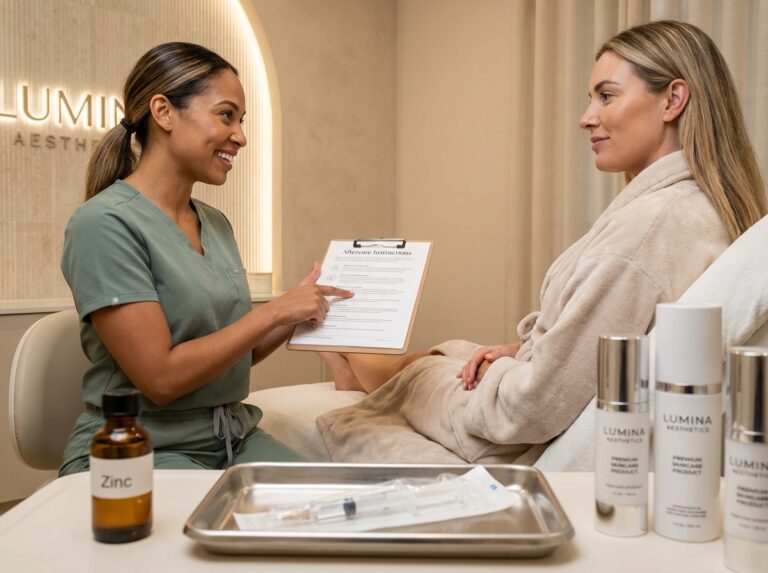
Immediate Aftercare Protocols
The first step in ensuring a neurotoxin works is not interfering with it during the uptake phase. While resistance is a real biological phenomenon, many cases of “failed” Botox are actually issues with product placement or diffusion caused by poor aftercare. We need to eliminate these variables first.
For the first 24 hours after any neuromodulator injection, the rules are simple but strict. You want the protein to bind exactly where it was placed.
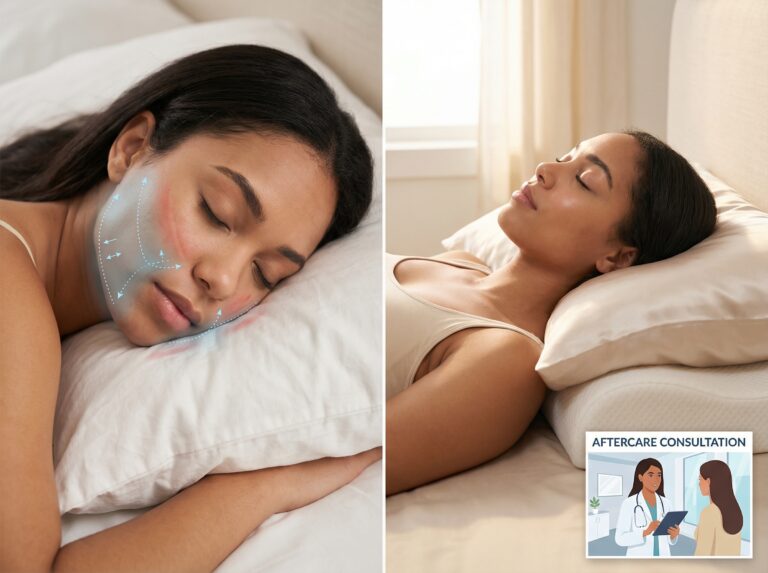
Post-Injection Positioning
Stay upright for at least 4 hours. Bending over, lying flat, or doing yoga inversions immediately after the procedure can cause the product to migrate to unintended muscle groups. This doesn’t just reduce effectiveness in the target area; it increases the risk of side effects like eyelid droop.
Physical Manipulation
Do not touch, rub, or massage the treated area for a full 24 hours. Patients often unconsciously rub their forehead or eyes. This mechanical pressure can spread the toxin into adjacent muscles, diluting the effect in the target zone and causing paralysis where you don’t want it.
Activity Restrictions
Skip the gym for one day. Vigorous exercise increases heart rate and blood flow, which can metabolize the product too quickly or flush it away from the injection site before it fully binds. Avoid saunas, hot tubs, and excessive heat for the same reason.
Substances to Avoid
Alcohol acts as a blood thinner and a vasodilator. Drinking within 24 hours of treatment increases the risk of bruising and can alter blood flow to the face. If medically safe, avoid NSAIDs (like ibuprofen) and high-dose fish oil supplements for a few days prior to and after treatment to minimize bruising.
The Structured Re-Challenge
If you follow all aftercare instructions and still see movement after two weeks, we don’t just inject more immediately. We perform a structured re-challenge. This distinguishes between a “bad batch” or technique error and true resistance.
The Waiting Period
You must wait the full 14 days. Neurotoxins typically start working within 24 to 72 hours, but the peak effect often isn’t visible until day 14. Injecting more product before this window closes is a mistake. It increases the total protein load and can actually trigger the immune system to form antibodies, creating the very resistance we are trying to avoid.
Standardized Re-Treatment
If there is no effect at day 14, the provider should perform a touch-up using a validated dose. This means using a standard, FDA-approved amount for that specific area, not a “micro-dose.” The provider must document the lot number, dilution method, and exact injection points. If this second attempt—performed perfectly—yields no results, we move to the next stage of management.
Switching Products: The Protein Load Factor
When a patient stops responding to the market leader, the most practical clinical step is switching to a different formulation. The core active ingredient in all major US-approved brands is Botulinum toxin type A, but they differ in their protein structure.
Understanding Complexing Proteins
Traditional formulations (like Botox and Dysport) surround the active toxin with accessory proteins. These proteins protect the molecule but don’t contribute to the smoothing effect. However, they do present more surface area for your immune system to recognize and attack. If your body creates antibodies, they are often targeting these outer proteins.
The Pure Toxin Rationale
For patients showing signs of resistance, switching to a “naked” or pure neurotoxin like Xeomin is the standard recommendation. This formulation goes through an extra purification step to remove the accessory proteins, leaving only the active therapeutic molecule. Clinical data suggests that up to 30% of patients who are non-responders to complexed toxins may regain efficacy when switched to a pure formulation. It presents a smaller target for the immune system.
Is Antibody Testing Necessary?
Patients often ask if they can get a blood test to confirm immunity. While bioassays exist, they are rarely used in a standard cosmetic setting.
Availability and Limitations
Testing for neutralizing antibodies is technically possible but logistically difficult. Most commercial labs do not offer a specific “Botox resistance” panel for cosmetic patients. The tests that exist (like the mouse protection bioassay) are reserved for research or severe medical cases (like cervical dystonia). Furthermore, a patient can test positive for “binding” antibodies that attach to the drug but don’t actually stop it from working. Conversely, you can have low antibody levels and still have poor clinical results.
Clinical Diagnosis is Key
Because testing is expensive, slow, and often inconclusive, the diagnosis of resistance is almost always clinical. If you have failed two consecutive treatments with proper dosing and technique, and you have switched products without success, we treat it as resistance regardless of what a blood test might say.
Alternative Treatment Strategies
If you are confirmed as a non-responder, or if the toxin simply isn’t working well enough, you need a different approach to anti-aging. We stop trying to paralyze the muscle and start treating the skin and volume loss.
- Targeted Fillers: For static lines (wrinkles present when your face is resting), hyaluronic acid fillers can be carefully threaded directly into the line to lift and smooth it. This doesn’t stop muscle movement, but it softens the crease.
- Energy-Based Devices: Laser resurfacing (CO2 or Erbium) and radiofrequency microneedling work by rebuilding collagen. They thicken the skin, making it more resistant to folding when you smile or frown. This is often the best long-term strategy for resistant patients.
- Chemical Peels: Medium-depth peels can significantly reduce fine lines by removing the damaged outer layers of skin, forcing fresh regeneration.
- Surgical Options: In severe cases where a brow lift or eyelid lift (blepharoplasty) is desired, surgery physically alters the anatomy that toxins were trying to correct.
Safety in Combination Treatments
Combining treatments is standard practice, but the sequence is critical. It is generally safe to perform Botox and fillers in the same visit. However, if a laser treatment involves significant heat or swelling, providers often prefer to do the laser first or wait 24 hours after neurotoxin injection to prevent the product from spreading to unintended muscles due to thermal inflammation. For chemical peels, superficial peels can be done immediately before neurotoxins, but deeper peels requiring significant recovery should be spaced out.
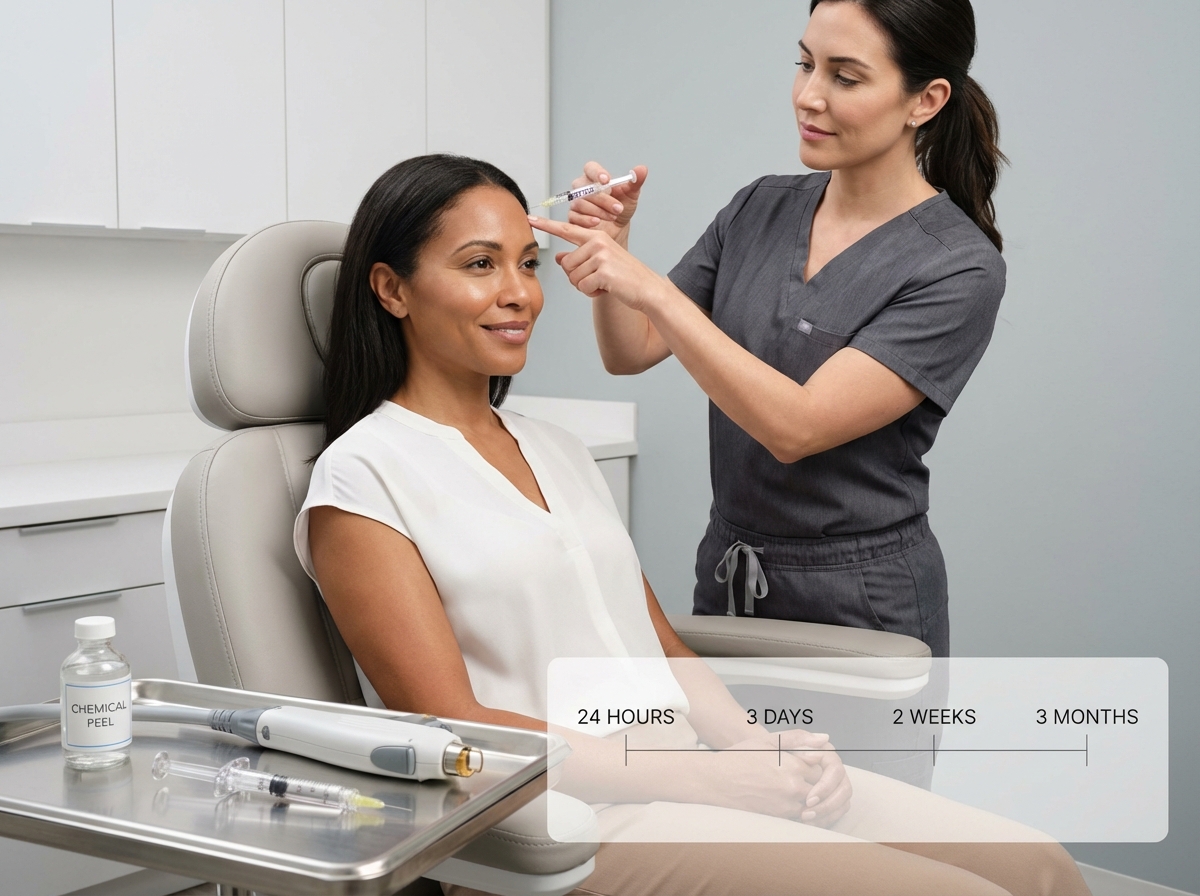
Recovery Timelines for Non-Invasive Treatments
Since many patients combine Botox with other procedures, or switch to them when resistance occurs, understanding the recovery landscape is vital. Here is what to expect for the most common US-based treatments.
| Treatment Type | Primary Recovery Symptoms | Typical Recovery Window |
|---|---|---|
| Dermal Fillers | Swelling, bruising, tenderness. | 1–14 days. Swelling peaks at 24-48 hours. Tissue settles fully by 2 weeks. |
| Laser Facials (Non-Ablative) | Redness (like a sunburn), minor swelling. | 1–3 days. Makeup can usually be worn the next day. |
| Laser Resurfacing (Ablative) | Raw skin, oozing, peeling, significant redness. | 7–14+ days. Requires downtime. Redness can persist for weeks. |
| Chemical Peels (Superficial) | Dryness, mild flaking. | 3–7 days. Often called “lunchtime peels.” |
| Chemical Peels (Medium) | Darkening of skin, cracking, heavy peeling. | 7–21 days. New pink skin is sensitive for weeks. |
| Body Sculpting (Non-Surgical) | Numbness, deep soreness, firm nodules. | 2–4 weeks. Numbness can occasionally last months. |
Patient Communication and Safety
Managing expectations is half the battle. If you are dealing with resistance or switching treatments, the conversation with your provider needs to change.
Informed Consent Updates
If you are switching to a new toxin or trying a higher dose, the consent form should reflect this. You need to understand that higher doses come with higher costs and potentially different side effects. The provider should explain that switching brands is an off-label strategy in some contexts, though widely accepted clinically.
Warning Signs: When to Call the Doctor
While most recoveries are smooth, certain symptoms require immediate attention. Do not wait for your two-week follow-up if you experience:
- Asymmetry or Drooping: If one eyelid feels heavy or your smile becomes uneven, contact your provider. Prescription eye drops can sometimes help eyelid ptosis.
- Vision Changes: Double vision or blurred sight warrants an urgent call.
- Vascular Compromise (Fillers): If you see a blanching (whitening) of the skin, a dusky purple discoloration, or feel severe pain that is disproportionate to the procedure, this is a medical emergency. It indicates a blood vessel may be blocked.
- Signs of Infection: Spreading redness, heat, or pus at an injection site is rare but requires antibiotics.
The US Regulatory Context
Finally, always ensure your provider is using FDA-approved products sourced directly from the manufacturer. In the US, “gray market” imports are illegal and unsafe. They may have been stored improperly (ruining the protein) or be counterfeit. Botox Resistance Is Rare—Why Results Fade and How to Fix It often comes down to product quality. If a deal looks too good to be true, it likely involves unverified product. Always ask to see the vial if you have doubts.
Final Conclusions and Practical Takeaways
We have covered a lot of ground regarding the science of neurotoxins, the frustration of non-response, and the nuances of recovery. Now, we need to distill all that complex information into a clear path forward. Whether you are a patient staring in the mirror wondering why your forehead isn’t freezing, or a clinician trying to explain a failed treatment to a loyal client, this section is your roadmap.
The Reality Check: Resistance is Rare, Technique is Common
It is easy to jump to the conclusion that your body has developed immunity to Botox. It sounds logical, especially if you have been getting treatments for years. However, the data tells a different story. True immunologic resistance—where your body produces neutralizing antibodies that render the toxin ineffective—is incredibly uncommon in cosmetic practice today.
According to a massive 2023 meta-analysis of over 5,800 patients, the incidence of resistance is only about 0.5%. That is less than one in a hundred people. Even when we look at package inserts from 2023 for cosmetic Botox, the rate of developing binding antibodies is around 1.5%, and many of those antibodies do not actually neutralize the drug’s effect.
So, if it is not antibodies, what is it? In the vast majority of cases, “resistance” is actually a result of reversible factors.
Dosing Issues
Under-dosing is the most frequent culprit. As we age, our muscle mass and recruitment patterns change. The dose that worked for you in 2020 might not be sufficient in late 2025. Additionally, the “Baby Botox” trend, which focuses on micro-dosing for a natural look, often leads to shorter durations of effect that patients mistake for failure.
Product Handling and Storage
Neurotoxins are fragile. If a vial was left out of the fridge too long or was reconstituted incorrectly, its potency drops. This is a supply chain or office issue, not a biological one.
Unrealistic Expectations
We often forget what our baseline looks like. If deep static lines (wrinkles present at rest) have formed, Botox alone won’t erase them, no matter how much is injected. This is often misinterpreted as the drug “not working.”
For the Patient: Navigating Your Care
Finding the right provider is more important than finding the lowest price. In 2025, with the market flooded with med-spas, your safety depends on vetting. Always seek a board-certified dermatologist, plastic surgeon, or a highly trained nurse injector operating under strict medical supervision.
When you go for a consultation, ask questions. Ask them how they handle non-responders. Ask to see the vial if you are nervous. A reputable provider will have no issue showing you the product expiration and lot number. If you suspect you are becoming resistant, bring your previous treatment records with you. This history helps your new provider calculate the right dose and choose the right product. Remember, cosmetic treatments are medical procedures, not just beauty services.
For the Clinician: Best Practices in 2025
As providers, we have a responsibility to track outcomes rigorously. The rise in cosmetic procedures—up 459% in injection counts between 2024 and 2025—means we are seeing more patients than ever. This volume increases the statistical probability of seeing rare complications like resistance.
Documentation is Key
Record the lot number, expiration date, and reconstitution time for every patient, every time. If a patient reports non-response, document it with standardized photography. Subjective “it didn’t work” complaints are often inaccurate.
Report to FDA MedWatch
If you encounter a confirmed case of product failure or resistance, or if you suspect a counterfeit product, report it to the FDA MedWatch program. This data is vital for post-market surveillance and helps protect the entire aesthetic community.
Follow Guidelines
Stick to the recommended dosing intervals. Treating patients more frequently than every 12 weeks (3 months) significantly raises the risk of antibody formation. Do not offer “boosters” at 4 or 6 weeks. Educate your patients on why waiting is safer for their long-term results.
How common is Botox resistance?
Final Thoughts
Botox resistance is a real phenomenon, but it is likely not what is happening to you. By understanding the science, managing your dosing schedules, and choosing the right provider, you can enjoy the benefits of these treatments for decades. If you do hit a wall, remember that you have options—from switching brands to exploring new technologies. The goal is not just a frozen forehead, but a healthy, confident you.
Sources
- Can I Become Immune to Botox? (2025) – Allure Aesthetics — Original formulations of Botox, which contained more complex proteins, led to up to 17% resistance in patients being treated for cervical …
- How common is Botox resistance? | Exhale Med Spa – Little Rock — Botox resistance is rare. According to a 2023 meta-analysis of 5,876 Botox® patients, the incidence is low, occuring in about 0.5% of patients.
- Exploring Nonresponse to Botulinum Toxin in Aesthetics — Of those, 59% providers indicated the resistance rate as <1%, and 36% providers reported as approximately 1‐25% [ Aesthetic doctors' perception …
- Botox Resistance Is Rare—Why Results Fade and How to Fix It — Many experts agree that developing immunity to products like Botox is extremely rare, and research backs that up. One 2023 review that analyzed …
- Botox in 2025: Market Insights, Trends, and Future Outlook — Global Botox® Market Overview · Market Size: Projected to reach $5.45 billion in 2025 and exceed $13.74 billion by 2032, growing at a 10.5% CAGR.
- Botox Statistics 2025-2024 Facts, Trends, Types, Costs and More! — Yearly Botox injections increased by 459% in 2024-2025 · USD 3.2 billion worth of Botox was sold worldwide in 2017 · Over 7.4 million individuals got Botox …
- Are you developing resistance to Botox? — Botox: 0.2-3.6%. Dysport: 2.5%.
Legal Disclaimers & Brand Notices
The information provided in this article is for informational and educational purposes only and does not constitute professional medical advice, diagnosis, or treatment. Always seek the advice of a physician or other qualified health provider with any questions you may have regarding a medical condition, treatment risks, or recovery protocols. Never disregard professional medical advice or delay in seeking it because of something you have read in this content.
All product names, logos, and brands mentioned in this article are the property of their respective owners. This includes, but is not limited to:
- Botox® is a registered trademark of Allergan Aesthetics (an AbbVie company).
- Dysport® is a registered trademark of Galderma.
All company, product, and service names used in this article are for identification purposes only. Use of these names, logos, and brands does not imply endorsement, affiliation, or certification by the trademark owners.