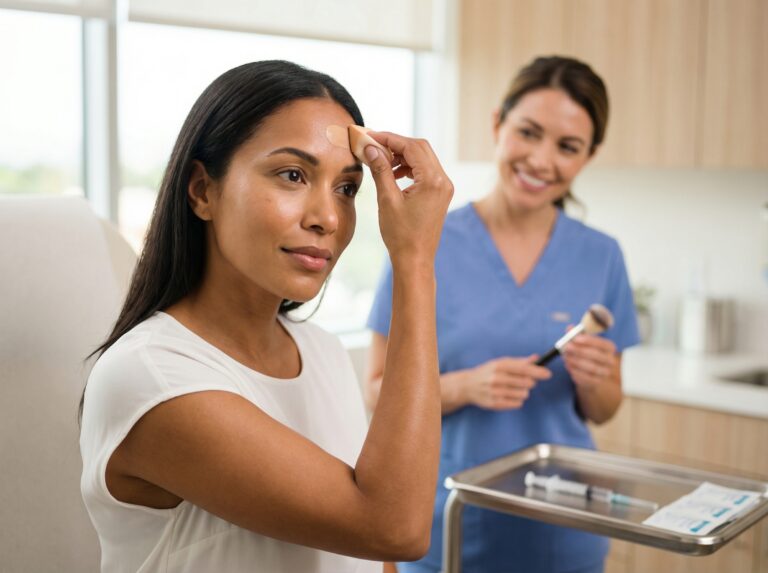
After receiving Botox, many patients wonder when it’s safe to resume exercise. This article examines how Botox works, why vigorous activity can affect outcomes, and provides a practical, safety‑first gym timeline for returning to cardio, resistance training, and hot workouts. It also covers special cases like masseter or neck injections and guidance to minimize bruising and protect results.
How Botox Works and Why Exercise Matters
Understanding the biological interaction between botulinum toxin and your physiology helps explain why specific aftercare rules exist. The restrictions placed on physical activity are not arbitrary. They are based on how the neurotoxin binds to nerve endings and how your body’s circulatory system interacts with the injection site.
The Mechanism of Action
Botulinum toxin type A works by targeting the neuromuscular junction. This is the precise point where nerve endings meet muscle fibers. When your provider injects the solution, it does not freeze the muscle immediately. The toxin must first bind to specific receptors on the nerve surface. Once attached, it enters the nerve cell and cleaves a protein called SNAP-25. This protein is essential for releasing acetylcholine, the chemical messenger that tells muscles to contract. By interrupting this signal, the muscle remains in a relaxed state.
This binding process is gradual. You might see initial softening of lines within 24 to 48 hours, but the full blockade of the nerve signal typically peaks between 10 and 14 days. During the initial hours after injection, the toxin is localized but not yet fully absorbed into the nerve terminal. This window creates a vulnerability where external factors can influence where the toxin settles.
Physiologic Responses to Exercise
Physical exertion triggers systemic responses that can interfere with the uptake of the toxin. The primary concern is increased cardiac output. When you exercise, your heart rate rises and pumps more blood through your vascular system. This causes vasodilation, where blood vessels widen to dissipate heat and deliver oxygen. Increased blood flow around the injection site can theoretically accelerate the washout of the toxin before it binds effectively. It may also encourage diffusion, which refers to the spread of the product away from the intended muscle and into adjacent groups.
Blood pressure is another factor. Heavy lifting or high-intensity interval training spikes systolic blood pressure. This pressure puts stress on the capillaries in the face. Fresh injection sites are essentially small puncture wounds; high blood pressure increases the risk of these sites reopening or leaking into the surrounding tissue. This leads to bruising or hematoma formation. A large bruise can physically displace the product.
Muscular contraction during effort also plays a role. Many people grimace or strain their facial muscles when lifting weights. Forceful contraction of the treated muscles immediately after the procedure can squeeze the liquid solution into unintended areas. This mechanical manipulation, combined with increased blood flow, creates the perfect storm for migration.
Anatomy and Injection Site Risks
The risk of migration varies depending on where you received treatment. The anatomy of the face involves overlapping muscle layers. The frontalis muscle on the forehead is large and flat; migration here can lead to a heavy brow sensation. The glabella, or the frown lines between the eyebrows, poses a higher risk. If the toxin migrates down from this area, it can affect the levator palpebrae muscle, which is responsible for lifting the eyelid. The result is ptosis, or a drooping eyelid, which can last for weeks.
Treatments in the lower face have different risks. Masseter injections for jaw slimming require precision. If the product spreads forward, it can affect the risorius muscle, which controls your smile. Migration here leads to an asymmetrical or crooked smile. Neck injections into the platysma bands are also sensitive. The neck has a rich vascular supply and thin skin. Straining the neck muscles during crunches or Pilates can easily displace the product.
Clinical Consensus and Variability
Medical guidelines regarding exercise restrictions vary between providers. A conservative approach suggests avoiding all exercise for 72 hours. This ensures the toxin has ample time to bind without interference. However, many aesthetic practices operate on a 24-hour restriction rule. A clinician may advise you to avoid strenuous exercise in the 24 hours after Botox treatment because of the impact on heart rate. This timeline is generally sufficient for the majority of patients to avoid complications.
Individual factors necessitate adjustments to these rules. Patients with a fast metabolism or those who exercise daily may process the toxin differently. Older patients with thinner skin may be more prone to bruising and diffusion. Those taking anticoagulants or supplements like fish oil have a higher baseline risk of bleeding. Your provider assesses your specific anatomy and history to tailor these recommendations. A standard 24-hour wait might be extended to 48 hours for someone with a history of adverse effects.
A Practical Return to Gym Timeline
Returning to your fitness routine requires a strategic approach. You understand that increased blood flow and muscle contraction can theoretically displace the protein before it binds. Now you need a schedule. This timeline helps you navigate the days following your appointment without compromising your results, prioritizing safety while allowing you to stay active.
Immediate Post-Treatment (0–4 Hours)
The first four hours are the most critical for preventing migration. The neuromodulator is sitting in the target muscle but has not fully settled. Your primary goal is to keep your head elevated and your blood pressure stable.
- Permitted Activities: Gentle walking is acceptable. You can perform light household tasks that do not require bending over. Keeping your head above your heart is essential.
- Discouraged Activities: Do not lie flat on a bench or yoga mat. Avoid any activity that involves looking down for extended periods, including looking down at a phone while stretching. Do not touch, rub, or massage the face. Avoid wearing tight headbands or hats that press on the forehead.
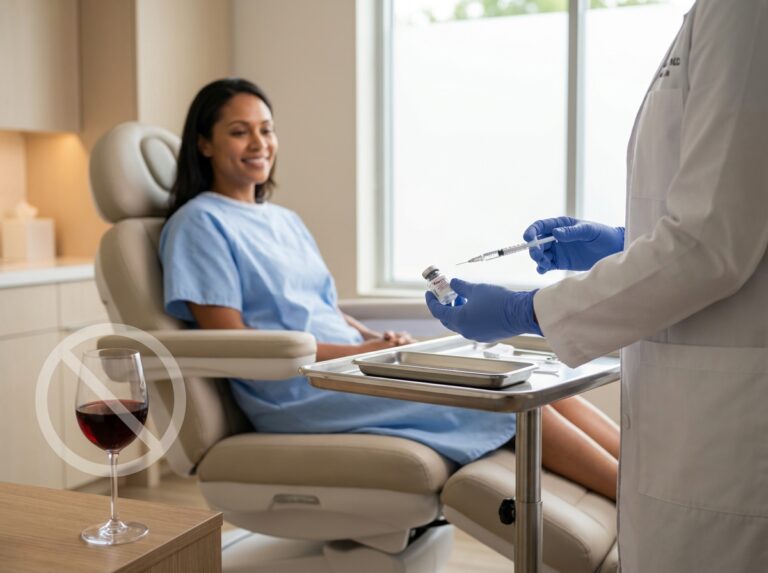
- Specific Restrictions: Avoid hot showers or exposure to steam. Heat causes vasodilation which can increase diffusion risk. Avoid alcohol, as it thins the blood and increases bruising risk.
The Caution Zone (4–24 Hours)
The product has begun to bind, but the risk of increased blood flow affecting the result remains. You can resume normal daily movements but should still avoid spiking your heart rate or sweating heavily.
- Permitted Activities: You can engage in low-intensity movement. A leisurely walk outside or on a treadmill with no incline is safe. Stretching while standing or sitting upright is fine.
- Discouraged Activities: Avoid vigorous cardio that induces sweating. Running, cycling, and rowing are off-limits. Skip the sauna and steam room. Avoid heavy resistance training that requires straining.
- Why Wait: For more vigorous workouts such as running, weight lifting, or hot yoga, waiting 48 hours is safer to minimize risks of migration. Many clinicians stick to the 24-hour rule as a safety buffer against vasodilation.
Easing Back In (24–48 Hours)
You can begin to reintroduce more movement. The risk of migration has decreased significantly. The focus shifts to preventing late-onset bruising and ensuring the toxin stays localized.
- Permitted Activities: Brisk walking is allowed. You can perform bodyweight exercises that do not involve inversions. Upright stationary cycling at a moderate pace is acceptable.
- Discouraged Activities: Continue to avoid heavy compound lifts like squats and deadlifts. These exercises increase intracranial pressure. Avoid hot yoga or Bikram yoga. The combination of heat and inversion poses like Downward Dog is risky.
- Modifications: If you received masseter injections, avoid clenching your jaw during any activity. Focus on keeping the facial muscles relaxed.
Ramping Up (48–72 Hours)
Most restrictions begin to lift during this window. You can progressively return to your standard routine. Listen to your body and watch for any signs of swelling.
- Permitted Activities: Moderate cardio is safe. You can return to jogging or using the elliptical. Lighter resistance training with dumbbells or machines is permitted. Pilates classes that do not involve prolonged inversions are okay.
- Discouraged Activities: High-intensity interval training (HIIT) should still be approached with caution. Avoid CrossFit workouts of the day (WODs) that involve rapid changes in head position. Avoid sprinting.
1 Week and Beyond
By the one-week mark, the toxin has largely bound to the nerve receptors. Most patients can resume their full exercise regimen. This includes heavy lifting, high-intensity classes, and contact sports.
- Permitted Activities: Full-intensity training is generally acceptable. You can resume powerlifting, sprinting, and activities requiring helmets or goggles.
- Monitoring: Check for any asymmetry in the mirror before your workout. If you notice any unevenness in your brow or smile, contact your provider before engaging in strenuous activity.
Activity Cheat Sheet: Do’s and Don’ts
Use this table to make quick decisions about your workout selection during the first 3 days.
| Timeframe | Allowed (Green Light) | Avoid (Red Light) |
|---|---|---|
| 0–24 Hours | Casual walking, sitting, standing stretching. | Running, weightlifting, yoga, Pilates, swimming. |
| 24–48 Hours | Brisk walking, upright stationary bike, light bands. | Hot Bikram yoga, heavy squats, deadlifts, sparring. |
| 48–72 Hours | Jogging, elliptical, machine weights, flow yoga (no inversions). | Sprints, box jumps, headstands, Olympic lifting. |
Technical Considerations for Safe Training
How you perform an exercise matters as much as which exercise you choose. Even when you return to the gym, small adjustments protect your results.
Technique Adjustments
Avoid the Valsalva Maneuver: This technique involves holding your breath and bearing down to lift heavy weights. It causes a massive spike in blood pressure that travels to the face. Avoid this technique for at least 48 hours. Breathe continuously through every repetition. If you have to grunt to lift it, it is too heavy for this week.
Watch Your Head Position: Exercises like decline bench presses, back extensions, and certain yoga poses place the head below the heart. This increases fluid pressure in the face. Modify your workout to keep your head neutral or elevated. Substitute a seated overhead press for a bent-over row. Use a stability ball for core work instead of lying flat on the floor.
Modifications by Injection Site
Different areas require different precautions based on muscle function:
- Masseter (Jaw) Injections: If you treated your jaw for slimming or TMJ, avoid clenching your teeth during exercise. Many people subconsciously grind their teeth when lifting heavy weights. Keep your jaw relaxed or use a mouthguard if you know you are a clencher.
- Platysma (Neck) Injections: Avoid strenuous neck flexion. Exercises like weighted neck curls or aggressive abdominal crunches where the neck strains forward should be skipped for 72 hours. You want the platysma muscle to remain relatively relaxed while the toxin takes effect.
Minimizing Bruising and Complications
Bruising can occur even days after the procedure if the injection sites are traumatized. You can control side effects with a few proactive steps.
Hydration and Recovery: Hydration supports tissue recovery. Drink plenty of water before and after your workout. Avoid alcohol for at least 24 to 48 hours as it thins the blood and dehydrates the skin.
Supplements: Supplements play a role in bleeding risk. Avoid taking Vitamin E, fish oil, and ginkgo biloba for two days post-treatment unless medically necessary. These supplements act as mild blood thinners. Unless prescribed by a doctor for a medical condition, avoid NSAIDs like ibuprofen or aspirin for 24 to 48 hours.
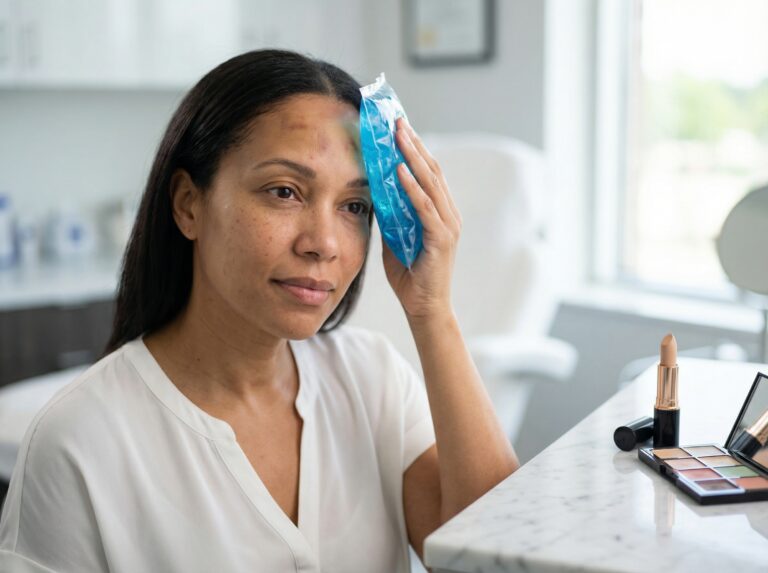
Cold Compresses: If your provider advised it, apply a cold compress gently to the area immediately after treatment to constrict blood vessels. Do not apply pressure.
Managing Issues: If you notice a small bleed or bruise during a workout, stop immediately. Apply light pressure with a clean towel for five minutes. Keep your head elevated. If you experience sudden swelling or pain, pause your workout regimen and contact your injector. Progression in intensity should always be based on the absence of side effects.
Frequently Asked Questions
How long should I wait to exercise after Botox?
The general consensus among medical aesthetic providers is to wait a full 24 hours before resuming any standard workout routine. This timeline allows the neurotoxin to bind effectively to the nerve receptors without the risk of increased blood flow displacing it. While some clinics might suggest a shorter four-hour window for very light activity, most doctors recommend waiting at least 24 hours to be completely safe. If you feel restless during this period, a slow walk on flat ground is a safe alternative that keeps your heart rate low.
Can I do cardio the same day as my treatment?
You should avoid vigorous cardio on the same day as your injections. Elevating your heart rate significantly increases blood flow and pressure in the capillaries of your face. This surge in circulation can potentially move the product away from the target muscle or increase the likelihood of bruising at the injection sites. It is better to schedule your run or spin class for the following day once the product has settled.
Will sweating spread the toxin?
Sweat itself does not chemically break down the toxin or cause it to spread. The real risk comes from the physical act of wiping sweat from your forehead or face. Rubbing the treated area while wiping away perspiration can physically push the fluid into unintended muscles and cause asymmetry. Additionally, the body heat generated to produce that sweat causes vasodilation, which may contribute to product diffusion.
Can I lift heavy weights after treatment?
Heavy lifting is discouraged for at least 24 to 48 hours because it often involves straining and the Valsalva maneuver. Holding your breath and bearing down increases intracranial and facial pressure. Many people also unknowingly grimace or clench their facial muscles while lifting heavy loads. These actions can force the Botox out of the precise injection zone. Stick to bodyweight movements or light resistance bands if you return to the gym before the 48-hour mark.
What about hot yoga, saunas, or steam rooms?
You must avoid environments with high heat for a minimum of 24 hours. Hot yoga, steam rooms, and saunas cause significant dilation of blood vessels and increased circulation to the skin surface. This flushing effect can disperse the neurotoxin before it has fully engaged with the nerve endings. For more vigorous workouts such as hot yoga, waiting 48 hours is even safer to ensure your results remain precise.
Is running safe immediately after Botox?
Running involves vertical impact and bouncing that can be jarring to freshly injected tissues. The combination of impact and increased heart rate makes running a high-risk activity for the first 24 hours. Gravity and momentum could theoretically contribute to mild migration of the fluid. If you need to move, opt for a low-impact elliptical session or walking at a moderate pace where your head remains level.
Does Botox effectiveness decrease if I exercise too soon?
Exercising too early does not metabolize the product faster, but it can lead to suboptimal results due to migration. If the toxin moves to a surrounding muscle, you may see less relaxation in the target area and unwanted weakness in adjacent muscles. This creates the appearance that the treatment did not work effectively. Protecting your investment requires patience for that first day to ensure the product stays exactly where your provider placed it.
What should I do if I notice drooping or unexpected changes after a workout?
Stop your physical activity immediately if you notice eyelid heaviness or an asymmetric smile. Continuing to exercise will only increase blood flow and potentially worsen the issue. Contact your provider right away to report the symptoms. They can assess whether you need a prescription eye drop to help lift the lid or if you simply need to rest and wait for the product to settle.
Can I combine Botox with fillers or lasers and exercise afterward?
Combining treatments usually dictates a longer recovery period than Botox alone. Dermal fillers and laser treatments often require 48 to 72 hours of downtime to minimize swelling and prevent infection. Vigorous movement can exacerbate swelling in filler areas or irritate skin that has been treated with lasers. Always follow the most restrictive timeline provided for your specific combination of procedures.
Are there different rules for masseter or neck Botox?
Injections in the masseter muscles or the neck bands require specific modifications to your workout. For masseter treatments, you should avoid lifting heavy weights that cause you to clench your jaw or grind your teeth. For neck Botox, avoid exercises that strain the platysma muscle, such as crunches, sit-ups, or straining lifting postures. Keep your neck in a neutral position and avoid extreme flexion or extension for a few days.
Can I go swimming after my appointment?
Swimming poses two distinct risks during the first 24 hours. First, the pressure from tight goggles around the eyes or forehead can physically displace the product. Second, exposure to bacteria in public pools or natural bodies of water increases the risk of infection at the injection points. It is best to wait until the needle puncture sites have fully closed and the product has settled before putting on goggles or submerging your face.
Is it safe to do inversions like Downward Dog or handstands?
Postures that place your head below your heart are strictly prohibited for at least four hours post-treatment. Prolonged inversion increases facial blood pressure and fluid accumulation in the head. This pressure can encourage the toxin to migrate toward the orbital rim or eyebrows. Maintain an upright vertical position for the rest of the day and skip the yoga inversions until the next morning.
Can I wear a sweatband or tight hat while working out?
Avoid wearing anything that applies constrictive pressure to the treated areas for 24 hours. Tight baseball caps, heavy winter hats, or elastic sweatbands can press on the forehead and glabella. This external pressure can flatten the product or push it downward toward the eyes. If you need to keep hair off your face, use loose clips or a very loose hair tie instead.
Does a high metabolism from being an athlete shorten Botox duration?
Some anecdotal evidence suggests that athletes with very high metabolic rates may process neurotoxins slightly faster. However, the primary factor in duration is the dosage and the strength of the muscle being treated. Regular exercisers often have stronger facial muscles from grimacing during exertion. Your provider might suggest a slightly higher dose to counteract this muscle strength rather than advising you to exercise less.
Can I take pre-workout supplements before my first session back?
Many pre-workout supplements contain ingredients like niacin or high levels of caffeine that promote vasodilation and increased blood flow. Taking these immediately after treatment can mimic the effects of a hard workout by flushing the skin. It is prudent to skip strong vasodilators for 24 hours to minimize the risk of bruising and product spread. Hydrate with plain water or electrolytes instead.
Key Takeaways and Practical Checklist
We have covered the science, the timelines, and the specific scenarios in the previous sections. Now we need to condense all that information into a practical strategy. This section serves as your final safety net, bridging the gap between clinical advice and your actual daily life.
Your Pre-Gym Safety Checklist
Before you pack your gym bag, run through this mental or physical checklist. It helps you assess if your body is ready to handle physical stress.
1. Check the Clock: Calculate the exact time since your appointment. If it has been less than 24 hours, stay home. If it has been between 24 and 48 hours, proceed with caution. If it has been over 72 hours, you are generally in the clear for most activities.
2. The Mirror Test: Look closely at the injection sites. You are looking for specific warning signs.
- Swelling: If you see visible bumps or puffiness, your tissue is still inflamed. Exercise will make this worse.
- Bruising: Dark spots indicate that blood vessels were affected. Raising your blood pressure will force more blood into the area and expand the bruise.
- Redness: Persistent redness suggests the skin barrier is still recovering.
3. Pain Assessment: Move your face gently. You might feel a slight tightness; that is normal. You should not feel throbbing pain or sharp sensations. If you have a headache, skip the workout. A tension headache often follows treatment, and straining at the gym will only aggravate it.
4. Review Provider Instructions: Every face is different. Your injector might have given you specific rules based on your anatomy or the volume of units used. If they told you to wait three days because they treated a high-risk area like the crow’s feet or masseters, listen to them over any general internet advice.
Warning Signs: When to Stop Immediately
You might feel fine when you start moving. Sometimes symptoms appear only after you begin exerting yourself. If you notice any of the following changes during or after your workout, stop immediately.
Visual Changes:
- Drooping: If one eyelid feels heavy or looks lower than the other, this is a sign of ptosis. It means the toxin has affected the muscle that lifts the eyelid.
- Asymmetry: Watch your smile in the mirror. If one side moves less than the other or looks crooked, the toxin may have migrated.
- New Swelling: If the injection sites suddenly puff up after a set of exercises, your blood pressure is too high for the tissue to handle.
Physical Sensations:
- Severe Headache: A mild dull ache is common. A sharp, blinding headache is not.
- Dizziness: Feeling lightheaded could indicate a systemic reaction or just dehydration, but it is not worth pushing through.
- Vision Changes: Blurriness or double vision requires immediate medical attention.
If any of these occur, cool down immediately. Keep your head elevated. Contact your clinic right away to report the symptoms. They can advise if you need a follow-up appointment or if it will resolve on its own.
Social and Environmental Factors
We often forget that the gym is a social environment. You need to manage your surroundings to protect your treatment.
Inform Your Trainer: If you work with a personal trainer, tell them you had a procedure. You do not need to be embarrassed. They need to know so they do not program exercises that involve inversions, heavy straining, or boxing drills where you might get hit in the face. A good trainer will adjust your program to keep you upright and safe.
Equipment Hygiene: Gym equipment is covered in bacteria. Your injection sites are tiny open wounds for the first few hours. Most doctors recommend waiting at least 24 hours before exposing your skin to shared mats or benches. If you must go, wipe everything down thoroughly. Avoid touching your face with gym gloves or dirty hands.
Final Thoughts on Your Recovery
The goal of Botox is to look refreshed and rested. Rushing back to the gym too early counteracts that goal. It introduces unnecessary risk for a workout you could easily do two days later. Your anatomy is unique, and the way your body metabolizes the neurotoxin might differ from your friend’s experience. Always prioritize the specific instructions given by your injector. They know exactly where they placed the product and the depth of the injection.
If you feel unsure about a specific exercise, skip it. It is better to miss one workout than to live with a droopy eyelid for three months. Treat your recovery with the same discipline you bring to your training. Schedule a follow-up appointment if you have any concerns about how your results are settling. Your provider is your partner in this process; trust their guidance and give your body the time it needs to do the work.
Sources
- Can You Workout After Botox: The 24-Hour Rule That Could Save … — Most doctors recommend waiting at least 24 hours before engaging in any strenuous exercise after receiving Botox injections. This isn't an arbitrary number – …
- Exercise & Workout After Botox: Complete Guide — For more vigorous workouts such as running, weight lifting, or hot yoga, waiting 48 hours is safer. This timeline helps minimize risks of Botox …
- Do's and Don'ts of Exercising After Botox – Medical News Today — A clinician may advise you to avoid strenuous exercise in the 24 hours after Botox treatment. This is because exercise increases your heart rate and blood flow.
- Best Practices for Your Workout After Botox — Moderate physical activity can typically resume 4 hours after treatment. However, strenuous exercise should be avoided for at least 24 hours to …
- When Can You Start Working Out Again After Botox? — After a Botox treatment, it's advised to wait at least 24 hours before engaging in any form of strenuous exercise. This precaution helps to prevent the spread …
- When Can You Resume Normal Activities After Botox? Essential … — You can generally resume light activities within a few hours after your Botox treatment. Activities like walking or running errands are perfectly fine.
- Can you work out after Botox? | Mount Nittany Health — Exercise guidelines after Botox. Most doctors recommend waiting at least 24 hours before returning to strenuous exercise. This waiting period …
- What to Expect After Botox: Aftercare Tips and Realistic Timelines — Stay away from strenuous exercise for 24 hours. Avoid alcohol consumption for at least 24 hours. Do not apply makeup for at least 4 hours after the procedure.
- Botox aftercare – A. Rabinovich — Light exercises, such as walking or gentle stretching, are generally acceptable after the first day, but it's essential to consult with your healthcare provider …