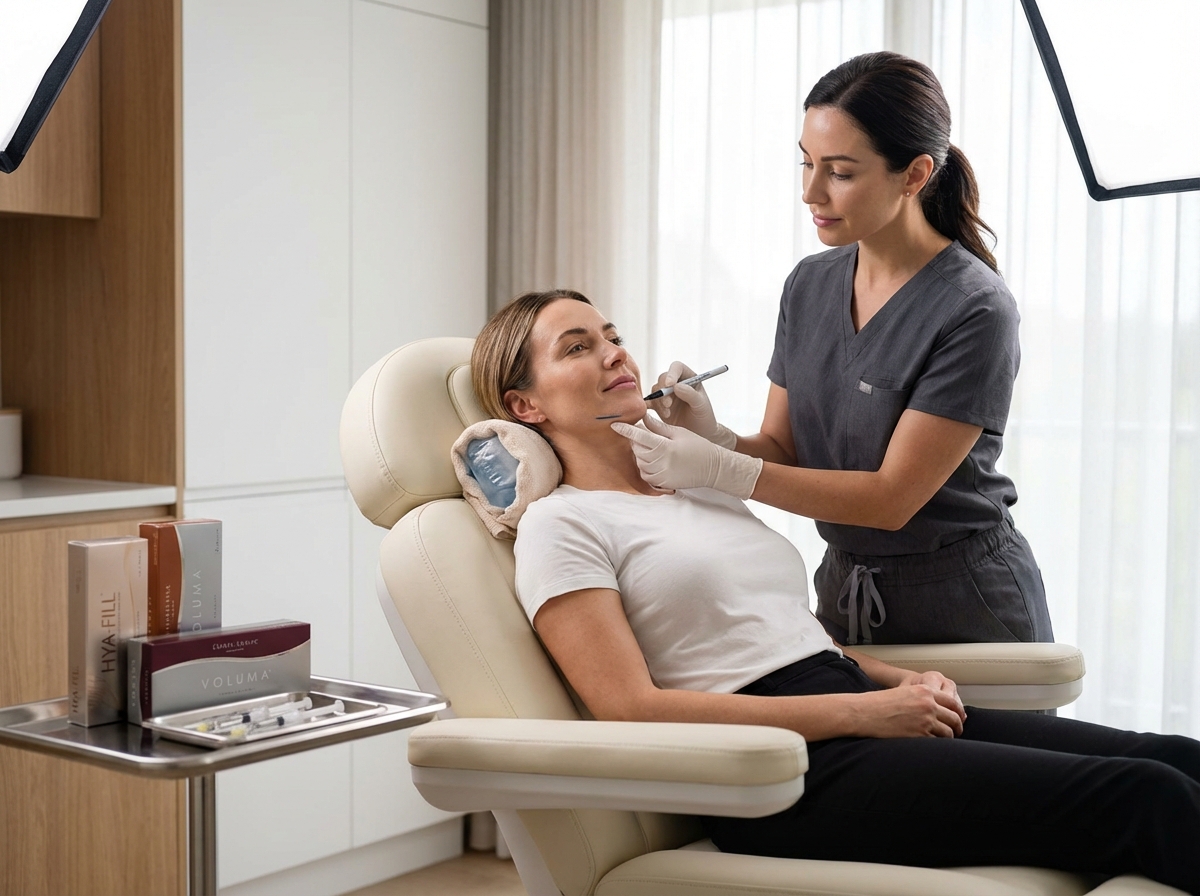
Jawline and chin filler procedures are popular components of non‑invasive facial contouring. This article guides you through the first week of aftercare and recovery—what to expect, practical day‑by‑day instructions, signs that need urgent attention, and how to protect your investment. It fits within a broader Aftercare & Recovery resource covering Botox, lasers, peels and body sculpting.
Immediate expectations and first 24 hours
You just walked out of the clinic. Your jawline feels tight, your chin might feel heavy, and you are probably checking every mirror you pass. That immediate “wow” factor is often mixed with a bit of panic about whether the swelling is normal or if you look crazy.
The first 24 hours are critical. This is when your body reacts to the trauma of the needle or cannula and starts the integration process. What you do right now sets the stage for how quickly you heal over the next week.
Immediate Sensations: Numbness and Tightness
Right now, you likely feel numb. Most fillers, whether hyaluronic acid (HA) or biostimulators like calcium hydroxylapatite, are mixed with lidocaine. This numbing effect usually wears off within 1 to 3 hours. As the sensation returns, you will start to feel the actual weight of the product and the tissue expansion.
Needle vs. Cannula Aftermath
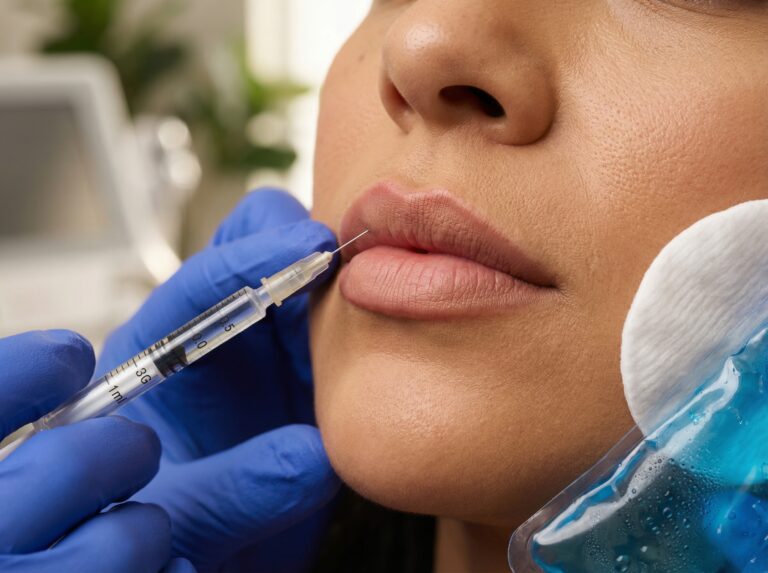
If your provider used a needle, you will likely see several tiny red dots (pinpoint bleeding) where the injections happened. These are small puncture wounds. You might already see small bruises forming at these sites. If they used a cannula (a blunt-tipped tool), you usually have fewer entry points—often just one or two near the cheek or chin—but you might feel more pressure or a deep ache. Cannulas push tissue aside rather than cutting through it, which causes less surface bleeding but can leave the deeper muscle feeling sore, almost like a bruise you can feel but not see yet.
Managing Swelling and Pain: The First Night
Swelling is inevitable. In fact, mild-to-moderate swelling is a sign your body is responding to the treatment. However, you want to control it so it doesn’t distort your tissue excessively.
The Ice Protocol
You need to ice, but you need to do it safely. Your skin is numb, so you cannot feel if you are freezing the surface, which can cause frostbite or thermal injury.
- Frequency: Apply a cold compress for 10 to 15 minutes every hour for the first 6 to 12 hours.
- Barrier: Never put ice or a frozen gel pack directly on your skin. Wrap it in a clean, thin cloth or paper towel.
- Position: Do not apply heavy pressure. Just rest the cold pack gently against the jaw or chin.
Pain Relief Options
Once the lidocaine fades, the area will feel tender. It might throb slightly.
- Preferred: Acetaminophen (Tylenol) is the safest option. It helps with pain without thinning your blood.
- Avoid: Aspirin, Ibuprofen (Advil, Motrin), and Naproxen (Aleve) for the first 24 to 48 hours. These are NSAIDs (Non-Steroidal Anti-Inflammatory Drugs) and they inhibit blood clotting. Taking them now can increase bleeding under the skin, leading to worse bruising and longer recovery times.
Hygiene and the “No Touch” Rule
This is the hardest rule to follow because you want to feel the new contour. Do not do it. The injection sites are open wounds for the first few hours. Touching them with your fingers transfers bacteria directly into the deep tissue, which is the fastest way to get a biofilm infection or an abscess.
Strict 6-12 Hour Guidelines
Avoid touching the treated area entirely for at least 6 hours, preferably 12. This allows the injection channels to close naturally.
- No Makeup: Do not apply foundation, concealer, or powder for at least 24 hours. Even “clean” makeup brushes harbor bacteria.
- Face Washing: You can gently cleanse your face before bed using a gentle cleanser and lukewarm water. Do not scrub. Pat dry with a clean towel—do not rub.
- Skincare: Skip your retinol, glycolic acid, or Vitamin C serums for tonight. Stick to a simple, fragrance-free moisturizer if needed, but avoid the injection points if possible.
Know Your Filler Type Before You Sleep
Before you go to bed, make sure you know exactly what was injected. This isn’t just for your records; it dictates your emergency plan.
Hyaluronic Acid (HA)
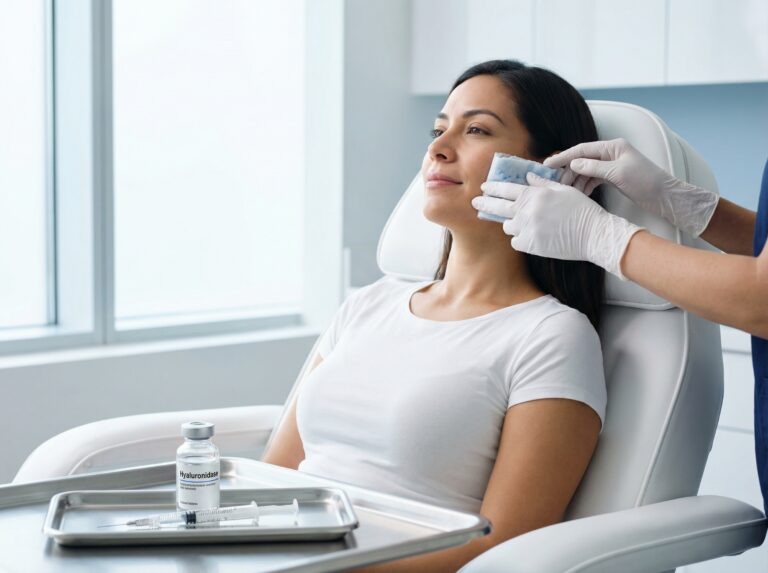
Products like Juvéderm Volux, Restylane Defyne, or Neuramis are made of HA. If you have a vascular emergency or hate the result, these can be dissolved immediately with an enzyme called hyaluronidase.
Biostimulators (CaHa)
Products like Radiesse (Calcium Hydroxylapatite) are different. They are thicker and stimulate collagen. They are not easily dissolvable. If you have this type of filler, getting the placement right the first time is crucial, and understanding that the “hardness” you feel is the product itself (which mimics bone) is important for your peace of mind.
Red Flags: When to Call the Doctor Immediately
Most side effects are annoying but normal. However, there are specific signs on “Day Zero” that indicate a vascular occlusion—where filler has accidentally blocked a blood vessel. This is a medical emergency. Do not wait until morning if you see these signs.
Vascular Occlusion Signs
Check your face in good lighting before bed.
- Blanching: Patches of skin that look white or pale, often in a reticular (lacy) pattern, that do not return to normal color.
- Severe Pain: Disproportionate pain that is getting worse, not better. It might feel like a burning sensation or a deep, sharp ache that radiates.
- Coolness: The skin feels cold to the touch compared to the surrounding area.
- Dusky Discoloration: Dark, purple-grey blotches that look different from a standard bruise.
If you notice any of these, contact your injector immediately. If you cannot reach them, go to an emergency room that has a plastic surgery or dermatology department on call.
Travel and Daily Activity
You might feel fine to drive, and generally, you are. However, if you are prone to fainting or feel lightheaded after needles, have someone else drive you home.
Flying and Pressure
Avoid flying for at least 24 to 48 hours if possible. The cabin pressure changes can exacerbate swelling, making the first few days of recovery much more uncomfortable than necessary.
Sleeping Position
Tonight, sleep on your back. Prop yourself up with two pillows to keep your head elevated above your heart. This uses gravity to drain fluid away from your face and prevents fluid from pooling in the jawline, significantly reducing the “chipmunk” look tomorrow morning.
| Activity | Guideline | Reason |
|---|---|---|
| Touching | Avoid for 6-12 hours | Prevents bacterial infection |
| Makeup | Wait 24 hours | Keeps injection sites clean |
| Pain Meds | Acetaminophen only | NSAIDs increase bruising risk |
| Alcohol | Avoid completely | Thins blood, worsens swelling |
| Exercise | Light walking only | Elevated heart rate increases swelling |
By the time you wake up tomorrow, the numbness will be gone, and the real settling process begins. You might look more swollen than you did immediately post-procedure, but that is the typical trajectory for day two.
Day 2 to day 7 recovery timeline and daily care
The initial excitement of your appointment has passed, and the anesthesia has worn off. You are now navigating the practical reality of healing. The first week is often a mix of anticipation and patience as your face adjusts to the new volume. Understanding the daily changes helps you stay calm when you look in the mirror.
The First 48 to 72 Hours
The second and third days are often the most visually dramatic. While you might expect the swelling to go down immediately, it typically peaks between 24 and 72 hours after the injections. This is a normal inflammatory response to the trauma of the needle or cannula and the hydrophilic nature of hyaluronic acid fillers. They pull in water from the surrounding tissues.
Managing Peak Swelling
You might wake up on day two feeling puffier than you did right after the procedure. This is expected. Continue using a cold compress if you feel significant heat or throbbing. Apply it for 10 to 15 minutes at a time. Always keep a cloth between the ice and your skin. By the third day, the acute swelling usually stabilizes and begins a slow decline.
Sleeping Position Matters
Gravity remains your friend during these first few nights. Continue to keep your head elevated on an extra pillow for at least the first three nights. This simple step encourages fluid drainage and prevents blood from pooling in the lower face. You must avoid sleeping on your stomach or side. Pressing your fresh filler into a pillow can displace the product before it settles. If you are an active sleeper, try using a travel neck pillow to keep your head stabilized.
Day 4 to Day 7 Progression
By the middle of the week, the initial tightness starts to fade. The sharp tenderness you felt earlier shifts to a dull ache or mild sensitivity.
Bruising Patterns
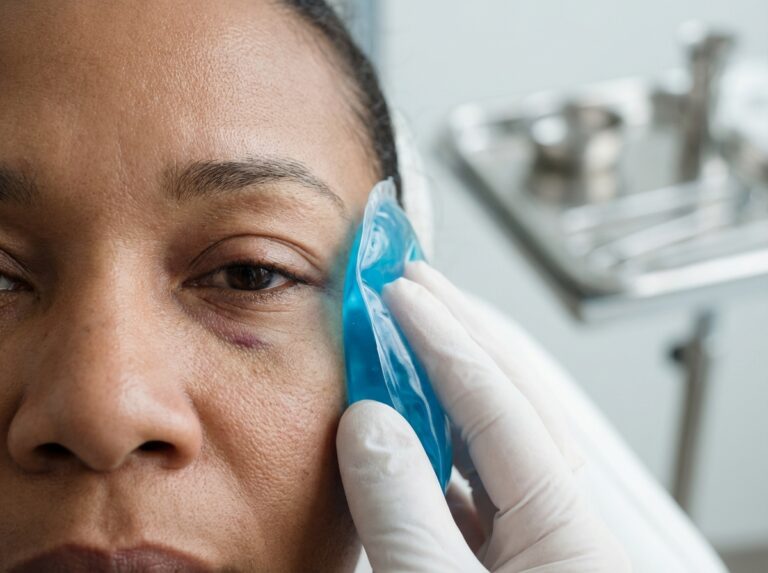
Any bruises that appeared on the first day will likely darken before they fade. You might see colors shift from blue or purple to green and yellow. This process usually takes 3 to 10 days depending on your body. You can use arnica cream or take bromelain supplements if your provider approves them. They may help speed up the clearance of old blood cells.
Texture and Sensation
You might feel firm areas or small bumps under the skin. This is common. The filler is still integrating with your natural tissue. It takes about two to four weeks for the product to soften completely and feel like part of your chin or jawline. Do not massage these lumps unless your injector specifically showed you how to do it. Manipulating the area prematurely can move the filler into unwanted spots or increase inflammation.
Daily Care and Hygiene
Your skin acts as a barrier against infection. Keeping it clean without irritating the injection sites is the goal for this week.
Skincare Restrictions
Wash your face gently with a mild cleanser and lukewarm water. Pat it dry instead of rubbing. You need to pause your active skincare routine. Avoid retinoids, glycolic acid, salicylic acid, and exfoliating scrubs for at least one week. These products can irritate the healing skin and increase blood flow to the area which worsens swelling. Stick to a basic moisturizer and sunscreen.
Makeup Application
You can typically wear makeup 24 hours after the procedure. Use clean brushes or sponges to avoid introducing bacteria to the needle entry points. If the skin feels raw or sensitive, give it another day or two before applying foundation.
Activity and Lifestyle Adjustments
Returning to your normal routine requires a few temporary modifications to ensure the best results.
Exercise Guidelines
Light walking is perfectly fine and actually encourages circulation. You should wait 24 to 72 hours before returning to the gym or doing strenuous exercise. High-intensity workouts increase your heart rate and blood pressure. This can make swelling worse or cause late-onset bruising. Some clinicians prefer you wait a full 7 days before heavy lifting or intense cardio.
Heat and Sun Exposure
Heat causes blood vessels to dilate. Avoid saunas, steam rooms, hot yoga, and prolonged sun exposure for one to two weeks. High heat can exacerbate swelling and prolong your recovery time. UV rays are also damaging to healing skin. If you have bruising, sun exposure can permanently stain the skin by fixing the iron deposits from the blood.
Dental Work and Facial Treatments
Plan your schedule carefully. You should delay elective dental procedures for about two weeks. The stretching required to keep your mouth open at the dentist places immense pressure on the jaw and chin. This can displace the filler. The same rule applies to other facial treatments like massages, lasers, or micro-needling. Give the filler time to settle first.
Common Cosmetic Concerns
It is easy to scrutinize your reflection during the first week. Knowing what is temporary prevents unnecessary panic.
Asymmetry
Your face might look uneven during this week. One side often swells or bruises more than the other. This creates an illusion of asymmetry. It rarely reflects the final result. True asymmetry can only be judged once all swelling has resolved. For most people, the majority of swelling resolves within 1 to 2 weeks. Patience is essential here.
Palpable Irregularities
Feeling small lumps with your tongue or fingers is different from seeing them. If you can feel a bump but not see it, leave it alone. It will likely smooth out as the filler absorbs water and integrates. If a lump is visible and persists beyond two weeks, your provider can adjust it.
Summary of First Week Restrictions
| Activity | Wait Time | Reason |
|---|---|---|
| Touching/Massage | Strictly avoid | Prevents displacement and infection |
| Strenuous Gym | 24-72 hours | Reduces risk of increased swelling |
| Saunas/Heat | 1-2 weeks | Prevents vessel dilation and inflammation |
| Dental Work | 2 weeks | Avoids pressure and product movement |
| Retinoids/Acids | 1 week | Prevents skin irritation at injection sites |
Communication and Follow-Up
You are not on this journey alone. Your provider expects to hear from you if things feel off.
When to Schedule a Review
Standard follow-up appointments are usually booked for 2 to 4 weeks post-treatment. This timing allows for complete settling of the product and resolution of all swelling. At this visit, your injector can assess the symmetry and add more product if necessary. It is better to under-fill and add more later than to overfill initially.
Staying in Touch
If you have questions about your recovery symptoms before your follow-up, call the clinic. It is better to ask a question than to worry in silence. Avoid touching and pressure on the area while you wait for advice. Most issues during the first week are normal parts of the healing process, but keeping an open line of communication ensures safety.
The first week requires a balance of gentle care and hands-off patience. Your results will emerge as the swelling subsides. While most side effects are mild and temporary, being vigilant about changes in your skin is vital for catching rare complications early.
Recognizing and managing complications and special situations
Most recovery periods are uneventful, but knowing the difference between a normal side effect and a medical emergency is critical. You need to be able to look at your face and distinguish between “healing” and “harm.” This section breaks down how to identify issues, manage minor annoyances at home, and exactly when to pick up the phone.
Managing Common, Non-Urgent Side Effects
Not every lump or bruise signals a disaster. Most issues you will encounter in the first week are benign and self-limiting. Recognizing these prevents unnecessary panic while ensuring you are doing the right things to speed up resolution.
Moderate Bruising and Hematomas
It is standard to see purple or yellow discoloration, especially if the needle hit a small vessel. This usually peaks around day 3 and fades by day 10. You can manage this at home with topical Arnica Montana gel or Vitamin K oxide cream, applied gently without pressure. If your provider approves, oral bromelain supplements may help clear the metabolic waste of the bruise faster. Avoid heat, as it dilates vessels and can re-trigger bleeding.
Transient Numbness or Altered Sensation
Many fillers contain lidocaine, which causes numbness that wears off within a few hours. However, you might feel a dull ache or slight tingling due to tissue expansion or temporary nerve compression from swelling. This typically resolves as the edema subsides over the first week. If the numbness is accompanied by pale skin or severe pain, that changes the classification to urgent.
Lumps and Asymmetry
You might feel firm areas or “short-lived lumps” under the skin. This is often the product itself before it fully integrates with your tissue, or localized swelling. Unless your clinician specifically instructed you to perform a massage (often referred to as the “Rule of 5s”), do not manipulate these lumps. Aggressive massage can displace the filler or increase inflammation. Cold compresses applied for 10 minutes at a time can help settle these irregularities.
Identifying Urgent Complications
You need to act fast if you see signs of infection or vascular compromise. These do not improve with time or ice; they require medical intervention.
Signs of Infection
Infections are rare immediately after injection but can develop a few days later. Look for spreading redness (erythema) that feels hot to the touch. If you notice a fever, throbbing pain that gets worse rather than better, or any purulent drainage (pus) at the injection points, contact your clinic immediately. Antibiotics are usually required, and in some cases, the filler must be dissolved to clear the bacteria.
Vascular Occlusion (VO)
This is the most serious risk. It happens when filler enters a blood vessel or compresses it, cutting off oxygen to the skin. The warning signs are distinct. Complications include erythema and ischemia, and catching them early prevents tissue necrosis (skin death). Watch for severe, disproportionate pain that feels like a burning or aching sensation far exceeding the injection discomfort. Visually, look for immediate blanching (skin turning white and staying white) or livedo reticularis, a mottled, net-like purple or dusky discoloration that appears later.
Immediate Steps for Suspected Vascular Compromise
If you suspect a vascular occlusion, time is tissue. Do not wait until the next morning.
- Stop all home care immediately. Do not ice the area, as cold constricts blood vessels further, which is the opposite of what you want in an occlusion scenario.
- Apply warm compresses. Gentle heat helps dilate vessels and encourage blood flow to the compromised area.
- Contact your injector immediately. Call their emergency line. If you cannot reach them, go to an emergency room that has a plastic surgery or dermatology resident on call.
- Prepare for Hyaluronidase. If you received a hyaluronic acid (HA) filler, the gold standard treatment is flooding the area with hyaluronidase. This enzyme dissolves the filler instantly, restoring blood flow. Your clinician will administer this, often in high doses, and may prescribe aspirin to prevent clotting.
Filler Type and Long-Term Considerations
The type of product used dictates the safety net available to you.
Hyaluronic Acid (HA) vs. Non-HA Fillers
HA fillers (like Juvéderm or Restylane) are reversible. If you hate the result or have a medical issue, hyaluronidase works effectively. Calcium Hydroxylapatite (CaHA) and other biostimulators are not dissolvable. Managing complications with these requires different protocols, such as sodium thiosulfate injections, steroids, or hyperbaric oxygen therapy. The risk profile is higher because the “off switch” is not as simple.
Delayed Onset Nodules
Sometimes hard lumps, known as granulomas, appear weeks or months later. These are immune responses where the body walls off the filler. These are not emergencies but require specialist review for steroid injections or surgical removal.
Medical History and Lifestyle Factors
Your systemic health influences how you heal and your risk levels.
Medications and Supplements
Avoid systemic blood thinners like aspirin, NSAIDs (ibuprofen), and high-dose Vitamin E for the first few days unless prescribed for a medical condition. These increase the risk of late bleeding. If you are on prescription anticoagulants, you should have coordinated a plan with your prescribing doctor prior to treatment.
Autoimmune Conditions
Patients with active autoimmune diseases (like Lupus or Rheumatoid Arthritis) may experience more prolonged swelling or a higher risk of delayed nodules. If you have a flare-up during recovery, notify your provider, as it may trigger an inflammatory response at the filler site.
Pregnancy and Breastfeeding
Elective cosmetic procedures are deferred during pregnancy and breastfeeding. If you discover you are pregnant immediately after receiving filler, there is no need to panic, but you should inform your obstetrician. No further treatments or dissolving agents should be administered until after delivery and weaning.
Triage Guide: Clinic vs. Emergency Room
Knowing where to go saves time.
Call the Clinic Urgent Line If:
You see signs of vascular occlusion (blanching, dusky skin), have unmanageable pain, or suspect early infection. Your injector has the specific records of what was injected and where, and they likely stock hyaluronidase.
Go to the Emergency Room If:
You experience anaphylaxis (difficulty breathing, throat swelling), sudden vision changes or blindness (ocular occlusion), or signs of a stroke (slurred speech, weakness). These are extremely rare systemic events that require hospital-grade life support and ophthalmology intervention.
Preparing for an Urgent Visit
Take clear photos of the area in good lighting before you leave the house. Construct a timeline of when symptoms started and how they progressed. Bring your filler product card (which you should have received at your appointment) so the treating team knows exactly what substance is in your face.
Final takeaways and next steps
We have covered a significant amount of ground regarding what happens after you leave the clinic. The first week following jawline and chin filler is often a mix of excitement and hyper-awareness. You might find yourself checking the mirror frequently or worrying if a bit of asymmetry is permanent. This is a normal reaction to a cosmetic procedure. The goal now is to simplify all the advice into a manageable routine that protects your investment and ensures safety.
The 7-Day Recovery Checklist
Success during the first week relies on following a strict but simple set of rules. You can think of this as your safety protocol to minimize inflammation and prevent product displacement.
- Immediate Cold Therapy: Your primary focus for the first 24 to 48 hours is managing inflammation. Apply a cold compress or ice pack wrapped in a thin cloth to the treated area for 10 to 15 minutes every hour while awake.
- Zero Pressure Policy: The filler material is malleable in the beginning. Avoid touching, massaging, or resting your chin in your hands for at least 6 to 12 hours. Do not wear tight helmets or chin straps that could indent the product.
- Sleep Elevation: Gravity influences where fluid accumulates. Sleep on your back with your head elevated on two pillows for the first 3 nights to encourage drainage and prevent pressure on the jawline.
- Exercise and Heat Restrictions: Physical exertion increases your heart rate and blood pressure which can worsen swelling and bruising. Postpone vigorous gym sessions, running, or heavy lifting for 24 to 72 hours. Avoid saunas, steam rooms, and hot yoga for one week.
- Substance Avoidance: Alcohol acts as a blood thinner and a vasodilator. Avoiding wine or cocktails for at least 48 hours helps limit bruising. Stick to acetaminophen for pain relief and avoid NSAIDs like ibuprofen for the first few days.
- Monitor for Red Flags: While mild redness and tenderness are standard, remain vigilant for signs of vascular occlusion. If you notice blanching, dusky discoloration, or severe pain not relieved by Tylenol, contact your injector immediately.
- Keep Product Information: Keep a record of exactly what filler was used and how much. Ask your clinic for the product name and lot number before you leave. This information is vital if you ever need a touch-up or if you decide to see a different provider in the future.
Scheduling Your Follow-Up
You should schedule a follow-up appointment for 2 to 4 weeks after your initial treatment. This timing is strategic. It allows enough time for all residual swelling to disappear so the injector can see the true result. Chin fillers fully settle within two weeks on average, but waiting the full month ensures accuracy.
This visit is not just a formality. It is the time to assess if you need a minor touch-up to perfect the symmetry or projection. Sometimes a small amount of additional product is needed to achieve the desired contour once the initial edema has resolved. It is safer to under-fill and add more later than to over-fill in the first session.
Long-Term Maintenance Strategy
Jawline and chin fillers are long-lasting but not permanent. Understanding the lifespan of your specific product helps you plan for maintenance. Waiting until the product has completely dissolved is usually not necessary. Most patients prefer to maintain their results with smaller top-up treatments before the volume fully disappears.
| Filler Category | Typical Duration | Recommended Maintenance |
|---|---|---|
| Hyaluronic Acid (HA) | 6 to 12 months | Assess at 6 to 9 months. Touch-ups are often smaller than the initial dose. |
| Calcium Hydroxylapatite (CaHA) | 12 to 18 months | Assess at 12 months. This product stimulates collagen which extends the result. |
| Poly-L-Lactic Acid (PLLA) | Up to 2 years | Maintenance is usually annual after the initial series of treatments is complete. |
Final Thoughts on Safety and Results
The quality of your result is heavily dependent on the skill of your injector. Always choose a board-certified dermatologist, plastic surgeon, or highly experienced nurse practitioner who understands facial anatomy. Discussing aftercare before the needle touches your skin is a sign of a responsible provider.
Rest assured that most issues encountered in the first week are transient. The feeling of pressure, the stiffness when smiling, and the puffiness are all part of the body’s natural healing response. Avoid touching and pressure to let the product settle undisturbed. If you have any doubt about a symptom, a quick call or text to your clinic is always the right move. Prompt communication protects your safety and ensures you get the beautiful, defined profile you aimed for.
References
- How Long Does Chin Filler Take to Settle? | Melanie Speed APRN — For most people, the majority of swelling resolves within 1 to 2 weeks, although some mild swelling may persist for up to 2 weeks.
- Chin Filler Aftercare: Guide to a Beautiful, Lasting Result — Avoid Touching and Pressure: For the first 1-2 weeks after your chin filler injection, it is crucial to avoid massaging, pressing, resting your …
- Using injectable fillers for chin and jawline rejuvenation – PMC – NIH — This review covers the use of hyaluronic acid, calcium hydroxylapatite, poly‐l‐lactic acid, and polymethyl methacrylate in the jawline.
- The Real Timeline: How Long Until Your Dermal Fillers Look Natural — Though swelling peaks within the first 24-72 hours post-treatment, clinical evidence demonstrates progressive diminishment throughout the first week. Bruising …
- How Long Does Chin Filler Take to Settle? – Dr Aesthetica — On average, patients can expect that chin fillers will fully settle within two weeks. Initial swelling typically subsides within the first few …
- How Long Does It Take Fillers to Settle? – The Harley Street Skin Clinic — Swelling from the initial insult last 3–5 days. It takes about 2–4 weeks for full settling. How Long Does Jawline Filler Take to Settle? Minor …
- Chin Fillers Before and After – The Cosmetic Skin Clinic — Discover our chin fillers before and after photos and and see how this treatment can help to enhance and restore your skin's lost volume on …
- How Long Do Chin Fillers Last? | Blog Post Archives – Medica Depot — Avoid sleeping on the side or stomach for the first three days to reduce swelling and bruising. · Do not massage or touch the injection area.
- BOTOX® and Dermal Filler Before and Aftercare Instructions — Swelling is the most common of the possible side effects of dermal fillers. It typically peaks 24 to 48 hours after treatment, and can last 4 to 6 weeks. The …
Legal Disclaimers & Brand Notices
The content provided in this article is for informational purposes only and does not constitute professional medical advice, diagnosis, or treatment. Always seek the advice of a physician or other qualified health provider with any questions you may have regarding a medical condition or specific aesthetic procedure. Never disregard professional medical advice or delay in seeking it because of something you have read in this article.
All product names, logos, and brands mentioned in this text are the property of their respective owners. Use of these names, trademarks, and brands does not imply affiliation, endorsement, or certification by the trademark holders. This article references the following pharmaceutical and medical brands:
- Botox® is a registered trademark of Allergan, Inc.
- Juvéderm® is a registered trademark of Allergan Holdings France SAS.
- Restylane® is a registered trademark of Galderma S.A.
- Radiesse® is a registered trademark of Merz North America, Inc.