Botox longevity depends on biology, injection technique, and daily habits. This article explains how zinc supplementation, targeted aftercare, and lifestyle changes can help maximize results and minimize risks for Botox and other non-invasive cosmetic procedures. Read evidence-informed recommendations, practical timing, and safety guidance so you can plan treatments and aftercare with your provider.
Understanding how Botox works and what determines duration
The biological process behind a Botox injection is a sophisticated interaction at the microscopic level. To understand how to make the results last, one must first look at the neuromuscular junction. This is the specific point where a nerve communicates with a muscle. Botulinum toxin type A, the active ingredient in products like Botox, acts as a zinc-dependent metalloprotease. This classification is vital because it means the toxin requires a zinc ion to perform its job. Once the toxin is injected into the target muscle, it enters the nerve endings. Inside the nerve terminal, the toxin identifies and cuts specific proteins known as SNARE proteins. Specifically, it targets a protein called SNAP-25. These proteins act like a delivery system for acetylcholine. Acetylcholine is the chemical messenger that tells a muscle to contract. When the toxin cleaves these proteins, the delivery system breaks. The nerve can no longer release acetylcholine. As a result, the muscle stays in a relaxed state. This relaxation is what smooths out the skin and reduces the appearance of wrinkles.
The timeline for these effects follows a predictable pattern for most patients. You will not see a change the moment you leave the clinic. The clinical onset typically begins within 24 to 72 hours after the injection. During this window, the toxin is busy entering the nerve cells and starting its work on the proteins. The peak effect usually occurs between one and two weeks. This is when the muscle relaxation is at its strongest. On average, the results remain visible for three to four months. However, this duration is not a fixed rule. Some people find their results fade in ten weeks. Others might enjoy the effects for five months. Individual biology plays a massive role in how quickly the body repairs the damaged proteins and restores muscle communication.
Factors That Influence Longevity
Several variables determine how long your treatment will last. The specific product used is the first factor. In the United States, the most common options are onabotulinumtoxinA, abobotulinumtoxinA, and incobotulinumtoxinA. While they all work similarly, their formulations differ. For example, incobotulinumtoxinA is often called a “naked” toxin because it lacks the complexing proteins found in other brands. This might influence how the body recognizes the substance over time. The dose and dilution also matter significantly. A higher number of units in a specific area generally leads to a longer-lasting effect. If the toxin is diluted too much with saline, it might spread further than intended or lose its potency. This is why the experience of the injector is paramount. A skilled professional knows exactly where to place the needle and how much volume to use for your specific anatomy.
Your own body contributes to the timeline as well. Muscle mass and strength are major determinants. Stronger muscles, such as the masseters used for chewing, often require more frequent treatments. In these areas, the effect might only last two to three months. Age and metabolic rate are also factors. Younger patients with very active metabolisms might process the toxin faster. Additionally, lifestyle habits like frequent high-intensity exercise can potentially shorten the duration. This happens because increased blood flow and metabolic activity may encourage the nerve endings to recover more quickly.
Safety Considerations: Pregnancy and Breastfeeding
While planning your treatment timeline, it is crucial to consider contraindications. Medical professionals generally advise against getting Botox while pregnant or breastfeeding. There is a lack of clinical data regarding the safety of the toxin for a developing fetus or a nursing infant, as ethical guidelines prevent testing these products on pregnant women. Consequently, you should postpone all cosmetic neuromodulator treatments until you have finished breastfeeding. Furthermore, while the recommended daily allowance for zinc increases during pregnancy (11 mg to 12 mg), the high-dose supplementation protocols discussed later in this article are generally too high for pregnancy and should be avoided unless specifically directed by an obstetrician.
Understanding Immunogenicity and Resistance
A less discussed but important factor is immunogenicity. This refers to the ability of the body to develop antibodies against the botulinum toxin. If your immune system recognizes the toxin as a foreign threat, it may produce neutralizing antibodies. These antibodies can make the treatment less effective or cause it to wear off much faster than usual. To minimize this risk, clinicians follow specific strategies. They recommend appropriate dosing intervals. You should generally wait at least three months between sessions. Avoiding unnecessary booster injections or touch-ups between regular appointments is also critical. Every time you are exposed to the toxin, your immune system has a chance to react. Keeping the frequency low helps maintain the effectiveness of the treatment over many years. Some providers might suggest switching to a product with fewer complexing proteins if they suspect a patient is becoming resistant.
Practical Steps for Your Next Appointment
Before you sit in the chair for your next treatment, there are specific questions you should ask your provider. Knowing these details helps you track your results and plan for the future. You should always ask which specific product brand is being used. Inquire about the exact number of units being injected into each area. This is more accurate than simply asking for a price per area. Ask about the experience level of the injector with that specific treatment. It is also helpful to discuss your maintenance schedule. A consistent plan is better than waiting for the effects to disappear completely. Keeping a personal log of your treatment dates, the product used, and how long the results lasted will help you and your provider fine-tune your approach. This data is invaluable for achieving the best possible outcome over the long term.
Recent research continues to explore how we can optimize these results. A systematic review from 2023 analyzed multiple studies regarding the role of zinc in Botox longevity. The findings suggest that maintaining adequate zinc levels may indeed support the toxin function. Furthermore, an ongoing clinical trial is looking at the efficacy of zinc on injections in the masseter muscles. These studies highlight the importance of the zinc-dependent nature of the toxin. While we wait for more large-scale data, the current consensus points toward the fact that a combination of precise technique, proper dosing, and healthy baseline nutrition offers the best chance for lasting results.
- Ask for the brand name of the toxin.
- Request a breakdown of units per area.
- Verify the injector has extensive experience with your specific concerns.
- Schedule follow-up appointments at least three months apart.
- Maintain a treatment log to track your personal duration.
Zinc supplements and the science behind the idea
Botox is an enzyme that depends on zinc to function. The core of the botulinum toxin molecule contains a catalytic site that uses a zinc ion to perform its main task. Once the toxin enters a nerve cell, it must find and break specific proteins called SNARE proteins. This process stops the release of acetylcholine, which is the chemical that tells your muscles to move. Without a zinc ion, the toxin cannot cut these proteins. This biological fact has led researchers to wonder if increasing zinc levels in the body could make the treatment more effective or help it last longer.
The connection between zinc and Botox longevity is more than just a theory. A study from 2012 looked at 77 patients and found that 92 percent of those who took a specific zinc supplement saw their Botox results last about 30 percent longer. These participants took 50 mg of zinc citrate along with an enzyme called phytase. The phytase was important because it helps the body absorb zinc by breaking down phytates found in many foods. In that same study, a smaller dose of 10 mg of zinc gluconate did not show the same benefit. This suggests that the amount and the form of the supplement matter.
A systematic review published in 2023 analyzed the available data on this topic. The researchers screened 260 articles and focused on four key studies. Three of those studies found that zinc supplementation improved the effect and the duration of the toxin. While these results are promising, high-quality randomized controlled trials are still limited. Most of the current evidence comes from smaller pilot studies or specific cases. We still need larger trials to confirm exactly how much zinc is needed for the average person to see a difference.
Dosage and Timing Protocols
If you are considering a supplement, you should follow the guidelines set by health authorities in the United States. The Recommended Dietary Allowance (RDA) for zinc is 11 mg per day for adult men and 8 mg per day for adult women. These needs change during pregnancy and lactation. It is vital to stay below the Tolerable Upper Intake Level, which is 40 mg per day for most adults. Taking more than this amount on a regular basis can lead to serious health issues.
However, the clinical trials that showed success used a specific “loading” protocol. Patients in the successful study started taking the 50 mg zinc citrate and phytase combination four days before the injection appointment. This timing is designed to maximize zinc levels during the critical window when the toxin is binding to the nerve endings. Because 50 mg exceeds the daily upper limit, this high dose is intended only for a short period surrounding the treatment, not for long-term daily use.
Risks and Interactions
Chronic high doses of zinc can cause gastrointestinal problems such as nausea or stomach pain. Some people might also experience a metallic taste in their mouth. More importantly, too much zinc interferes with how your body absorbs copper. This can lead to a copper deficiency, which may result in anemia or a type of nerve damage called neuropathy. It can also weaken your immune system. Because of these risks, many clinicians suggest focusing on your baseline zinc status rather than taking high-dose loading cycles right before an appointment. Ensuring you are not deficient is often safer than trying to force a surplus.
Zinc also interacts with certain medications. It can decrease the absorption of antibiotics like tetracycline and fluoroquinolones. If you are taking these medications, you should space out your zinc supplement by several hours or avoid it entirely until the course is finished. Zinc also interacts with certain diuretics and blood pressure medications, and can interfere with the absorption of iron and calcium if taken at the exact same time. People with renal impairment should be especially careful. The kidneys help manage mineral levels, and a supplement could put extra strain on them.
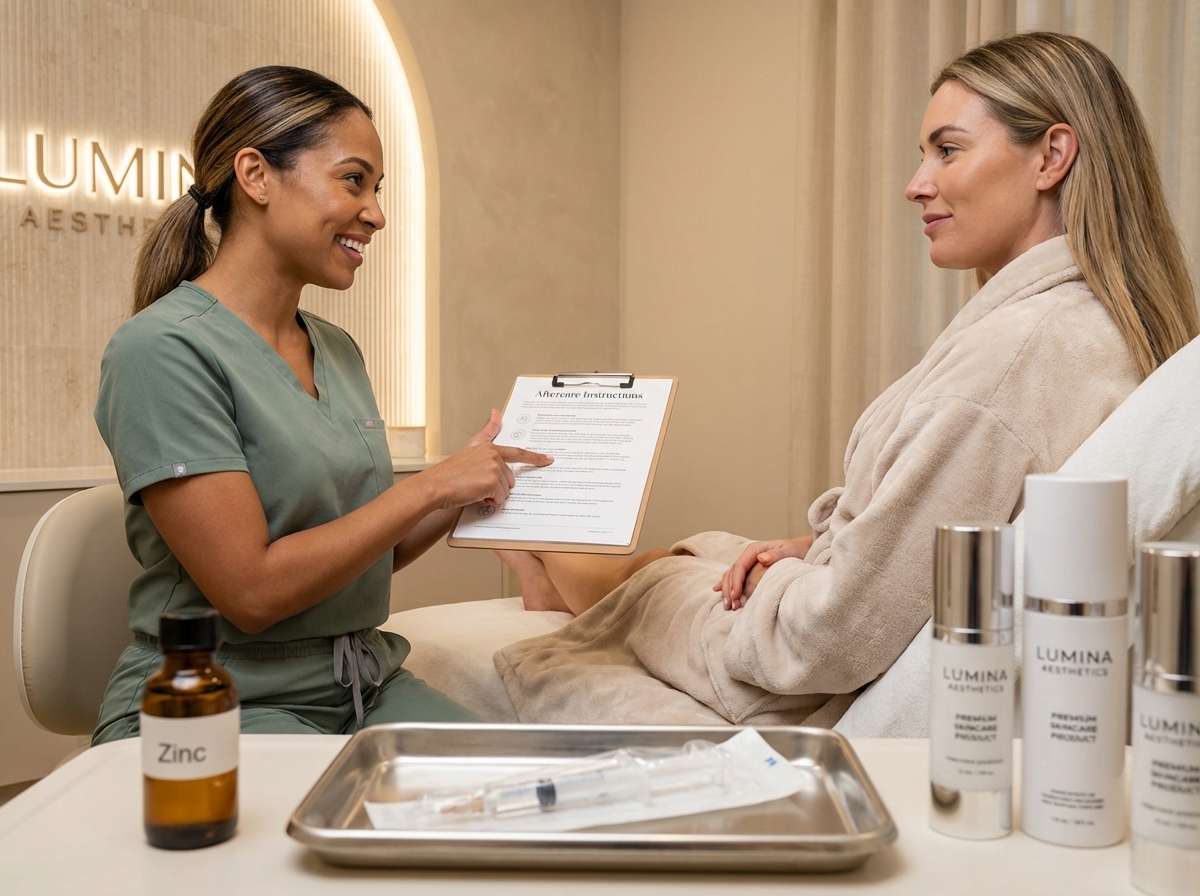
Before you start a new supplement, you should talk to your provider. They can help you decide if a short course of zinc is right for your specific situation. They might suggest it if they suspect your diet is low in zinc, which is common for vegetarians or older adults. However, they may advise against it if you are pregnant, have kidney issues, or take interacting medications.
Zinc Supplementation Reference Table
| Category | Recommended Value |
| RDA for Adult Men | 11 mg per day |
| RDA for Adult Women | 8 mg per day |
| RDA for Pregnancy | 11 to 12 mg per day |
| Tolerable Upper Limit (UL) | 40 mg per day |
| Observed Study Dose (2012) | 50 mg zinc citrate with phytase (started 4 days prior) |
Zinc Review Checklist for Patients
- Check if your daily multivitamin already contains zinc to avoid exceeding the 40 mg limit.
- Confirm you are not currently taking tetracycline or fluoroquinolone antibiotics.
- Discuss any history of kidney disease or anemia with your injector.
- Mention if you follow a vegetarian or vegan diet as this can impact zinc absorption.
- Ask your provider if they recommend a specific form of zinc such as citrate or gluconate.
- Review the timing of your supplement to ensure you are not taking high doses for more than a few days.
Maintaining a stable level of zinc in your system is a practical way to support the biological requirements of Botox. While the science is still growing, the link between this mineral and the toxin is clear. By staying within safe limits and consulting with a professional, you can use this knowledge to potentially get more value from your treatments. This approach works best when combined with the specific aftercare steps and lifestyle habits that protect your skin in the weeks following your injection.
Aftercare and lifestyle habits that extend Botox results
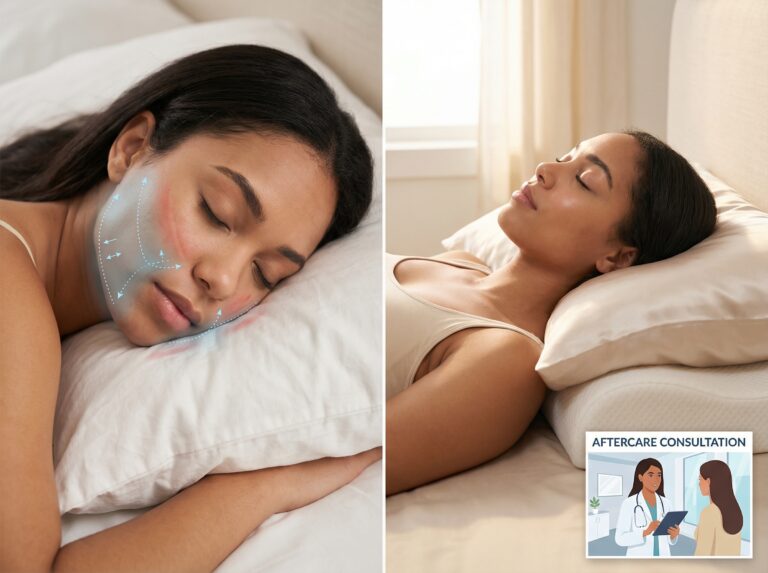
The window of time immediately following your appointment is the most critical for your results. What you do in the first few hours can determine how well the toxin settles into the target muscles. You should avoid rubbing the treated areas for at least 24 to 48 hours. This prevents the product from migrating to nearby muscles where it is not wanted. Migration can lead to issues like drooping eyelids or an uneven smile. You must also stay upright for at least four hours after the injections. Lying flat too soon can increase the risk of the toxin spreading away from the injection site.
Physical activity needs to be paused for a short period. You should skip vigorous exercise for at least 24 hours. Intense movement increases blood flow to the face. This can potentially wash away the product before it has fully bound to the nerve endings. It also increases the risk of swelling. Alcohol is another thing to avoid for the first 24 hours. It acts as a vasodilator. This means it opens up blood vessels. Drinking can lead to more significant bruising or redness at the injection points. You should also refrain from facial massages or deep tissue work for at least one week. If you had a more aggressive treatment, wait two weeks. Energy procedures like radiofrequency or ultrasound should be delayed for the same period. Your injector will give you a specific timeline based on your treatment plan.
Managing Bruising and Recovery
Bruising is a common side effect that many people want to minimize. You can manage this by looking at your medication cabinet. If your provider approves, you should stop taking anticoagulants or NSAIDs like ibuprofen a few days before your visit. These medications thin the blood. They make bruising more likely. You can resume them once your injector says it is safe. Cooling the area with a cold compress can help immediately after the treatment. It constricts blood vessels. Some people find success with arnica. Topical hemostatic measures can also be useful if you are prone to marks. These steps speed up the visible recovery so you can return to your normal routine faster.
Recognizing Complications and When to Call
While most side effects are minor and temporary, you should know when to seek help. Call your provider if you experience a drooping eyelid or an uneven smile, as these are signs of product migration. You should seek immediate medical attention if you have difficulty breathing or swallowing. These are rare but serious complications. Contact the clinic if you notice signs of an infection like increasing pain, warmth, or pus at the injection site. Severe headaches that do not respond to over-the-counter medication should also be reported. Most providers have a specific protocol for handling post-treatment concerns, so save your clinic’s after-hours contact information in your phone.
Long Term Habits for Skin Quality
The health of your skin plays a huge role in how long your results last. Sun protection is a requirement. UV rays break down collagen. They create new dynamic wrinkles that the toxin cannot fully fix. You should apply a broad-spectrum SPF every single day. Smoking cessation is another vital step. Smoking reduces blood flow to the skin. It causes premature aging. It also creates repetitive motions around the mouth that lead to deeper lines. A consistent skincare routine will support your results. Use retinoids to encourage cell turnover. Keep the skin hydrated with quality moisturizers. When your skin is healthy, the neuromodulator does not have to work as hard to smooth out the surface.
Strategic Maintenance and Health
How you space your treatments matters for long-term success. Most people find that three to four months is the ideal interval. You should not get injections too frequently. Going every few weeks can increase the risk of your body forming antibodies against the toxin. If this happens, the product will stop working effectively. Maintaining stable overall health is also important. High stress levels can impact how your body processes the treatment. Aim for consistent sleep. Eat a balanced diet. If you are a chronic high-intensity exerciser, you might notice your results fade faster. This is due to a high metabolic rate. You may need to adjust the timing of your heaviest workouts around your appointments.
Keeping a treatment log is a smart habit. You should record the brand of the product used. Note the number of units injected. Write down the name of your injector and the date. This helps you track how long the effects last. It allows you to see if the results are waning sooner than they used to. This log is a great tool to share with your provider during follow-up visits. It ensures you are getting a customized dose that fits your specific needs.
Timelines for Other Procedures
You might have other beauty or health appointments scheduled. It is important to time them correctly. You should wait at least one to two weeks before getting a professional facial. This ensures the Botox is fully settled. Dental work should also be delayed. Extensive dental procedures involve a lot of facial manipulation. This can interfere with the toxin if done too soon after your appointment. Saunas and steam rooms should be avoided for the first few days. The heat can increase inflammation. If you are planning laser procedures, wait at least two weeks. Combining treatments can be very effective. Many people use fillers or chemical peels alongside their neuromodulators. Just make sure to discuss the order of these treatments with your clinician to maximize safety.
Recent research suggests that your internal chemistry influences these outcomes. A systematic review found that zinc might play a role in how the toxin functions. You can read more about this in the Botulinum Toxins and Zinc: From Theory to Practice-A Systematic Review. This study looked at how zinc supplementation could potentially extend the duration of the effects. Another study in the Journal of Drugs in Dermatology showed that a specific combination of zinc and phytase increased the duration for many patients. These findings highlight why a holistic approach to aftercare is so valuable.
| Activity | Recommended Wait Time |
| Lying flat or bending over | 4 hours |
| Vigorous exercise | 24 hours |
| Alcohol consumption | 24 hours |
| Touching or rubbing the face | 24 to 48 hours |
| Facials and light peels | 1 week |
| Laser treatments or saunas | 2 weeks |
| Dental surgery | 2 weeks |
Following these steps will help you get the most out of every unit. It is about protecting your investment. Small changes in your daily habits can lead to much better longevity. Always stay in close contact with your provider if you have concerns about your recovery or your results.
References
- Evaluation the Efficacy of Zinc on Botulinum Toxin A Injection (BTX-A) — This study aims to explore the potential for oral zinc supplementation to enhance the efficacy and duration of Botulinum Toxin A (BTX-A) in …
- Zinc Supplementation Prior to Botox Injections for Spasmodic … — One initial study has shown that Botulinum Toxin (BT) in combination with zinc supplementation may increase the duration of effects BT treatment.
- Botulinum Toxins and Zinc: From Theory to Practice-A Systematic … — Objective: The aims of this study were to determine whether zinc supplementation affects botulinum toxin's effect and longevity and to …
- Effect of dietary zinc and phytase supplementation on botulinum … — This study suggests a potentially meaningful role for zinc and/or phytase supplementation in increasing the degree and duration of botulinum toxin effect.
- Effect of Dietary Zinc and Phytase Supplementation on Botulinum … — This study suggests a potentially meaningful role for zinc and/or phytase supplementation in increasing the degree and duration of botulinum toxin effect.
- [PDF] Effect-of-Dietary-Zinc-and-Phytase-Supplementation-on-Botulinum … — Conclusions: This study suggests a potentially meaningful role for zinc and/or phytase supplementation in increasing the degree and duration of botulinum toxin …
- Effects of zinc supplementation on duration and action of botulinum … — Abstract. Supplementation of the 50 mg of zinc increased the duration of BT action in face muscles being dependent on the application objective.