Swelling is the most common short‑term side effect after chin liposuction and Kybella. This article explains why swelling occurs, evidence‑based strategies to reduce it, realistic timelines, and how these aftercare steps fit into recovery for Botox, fillers, laser facials, chemical peels, and non‑surgical body sculpting. Followable steps and red flags help maximize results and minimize risks.
Why swelling happens after chin liposuction and Kybella and what to expect
Understanding the biological response to submental contouring helps set realistic expectations for the healing journey. While both chin liposuction and Kybella target the same area, they trigger different physiological processes. Liposuction is a surgical procedure that involves mechanical disruption. A thin tube called a cannula moves through the fat layers to physically remove cells. This action causes immediate trauma to the surrounding tissues and small blood vessels. The body responds with an acute inflammatory cascade. This is a natural defense mechanism where fluid and white blood cells rush to the site of the injury to begin the repair process. This influx of fluid is what we recognize as immediate postoperative edema.
Kybella operates through a process called adipocytolysis. Instead of physical removal, it uses a synthetic version of deoxycholic acid to dissolve the membranes of fat cells. This chemical reaction creates a localized inflammatory environment. As the fat cells break down, the body must work to clear the cellular debris. This often results in a more intense feeling of heaviness or “fullness” compared to the mechanical trauma of liposuction. Clinical studies in cosmetic surgery journals often note that Kybella produces a specific type of firm swelling known as induration. This hardness or nodularity is a hallmark of the chemical breakdown of fat and can persist longer than the soft edema seen after surgery.
The chin swelling after liposuction timeline typically follows a predictable curve. Most patients notice that puffiness is present immediately after the procedure, but it reaches its maximum intensity between 48 and 72 hours. This peak occurs because the inflammatory response takes time to fully mobilize. According to clinical guidance from major plastic surgery boards, visible bruising and the bulk of the swelling start to subside after the first week. By the end of the second or third week, many patients feel comfortable returning to social situations without feeling self-conscious. However, residual swelling can linger for months as the deep tissues continue to remodel and the skin adheres to the new underlying contours.
When considering how long swelling lasts after Kybella, the timeline is often more variable. Because the treatment relies on a chemical reaction, the peak swelling can be quite dramatic in the first three days. Some patients describe this as a “bullfrog” appearance. While the most intense puffiness usually resolves within two weeks, the firm nodules or lumps can remain palpable for four to six weeks. These are not usually visible to others but are felt by the patient during daily skincare routines. Final results for both procedures are rarely seen before the three-month mark, as the lymphatic system needs time to process the changes and the skin needs time to retract.
Several factors can increase the risk of excessive or prolonged swelling. The use of anticoagulants or blood-thinning medications is a primary concern. Even common over-the-counter items like aspirin, NSAIDs, or herbal supplements such as ginkgo biloba and high-dose vitamin E can interfere with clotting and worsen bruising. Smoking is another significant risk factor because it constricts blood vessels and impairs the delivery of oxygen to healing tissues. Patients with poorly controlled hypertension or diabetes may experience slower fluid clearance and a higher risk of complications. The extent of the procedure also matters. A larger volume of aspirated fat or a higher dose of Kybella injections will naturally lead to a more robust inflammatory response. Surgical technique and the aggressiveness of the cannula movement also play a role in the degree of tissue trauma.
It is important to distinguish between normal recovery and potential complications. Normal swelling is usually symmetrical and gradually improves after the third day. A hematoma is a more serious issue where blood collects under the skin. This typically presents as a firm, painful, and rapidly expanding mass, often accompanied by dark or purple skin discoloration. Infection is another concern, though it is rare in sterile environments. Signs of infection include increasing pain after the first few days, localized warmth, fever over 100.4 degrees Fahrenheit, or purulent drainage from incision sites. Nerve injury, specifically to the marginal mandibular nerve, can cause temporary asymmetry in the smile or difficulty moving the lower lip. While most nerve issues resolve on their own, persistent motor deficits should be evaluated by a professional. Persistent firm nodules that do not soften after several months may also require intervention, such as steroid injections or ultrasound therapy.
Recovery Milestones at a Glance
- Days 1 to 3 Max swelling and peak discomfort for both procedures.
- Days 4 to 7 Swelling begins to stabilize and slowly decrease.
- Weeks 2 to 3 Most visible bruising and puffiness resolve, allowing a return to work. Most patients see significant improvement during this window.
- Weeks 4 to 6 Kybella nodules begin to soften and liposuction contours become more defined.
- Months 3 to 6 Final results emerge as deep tissue healing completes. The final chin shape is usually fully visible by this stage.
Patients should remember that healing is not a linear process. Some days may feel more “swollen” than others due to salt intake, activity levels, or sleeping positions. Following the specific guidance provided by a clinician is the best way to ensure the inflammatory response stays within normal limits and leads to the desired aesthetic outcome.
Step by step aftercare for chin liposuction to minimize swelling
Success in reducing swelling after chin liposuction begins long before the first incision. Clinicians emphasize preoperative optimization to prime the body for healing. You must stop taking blood thinners according to your surgeon’s specific timeline. This includes common medications like aspirin or ibuprofen. Certain herbal supplements such as fish oil, vitamin E, and ginkgo biloba must be paused because they increase bleeding risks. Smoking cessation is mandatory for at least two to four weeks before the procedure. Nicotine constricts blood vessels and slows the delivery of oxygen to healing tissues. Hydration is another priority. Drink plenty of water and moderate your sodium intake to prevent the body from retaining excess fluid before the surgery even starts.
Immediate Postoperative Care
The most critical tool for managing early edema is the chin compression garment. Most surgeons require patients to wear this strap 24 hours a day for the first three to seven days. The garment provides consistent pressure to collapse the dead space where fluid tends to collect and helps the skin adhere to the new neck contours. You should follow your surgeon’s guidance on pressure levels; the strap should be snug but not so tight that it causes pain or skin irritation. Keep your incisions dry for the first 48 hours. When you change your dressings, handle the area with clean hands and follow the specific instructions provided by your clinic to avoid introducing bacteria to the site.
Icing Protocol and Elevation
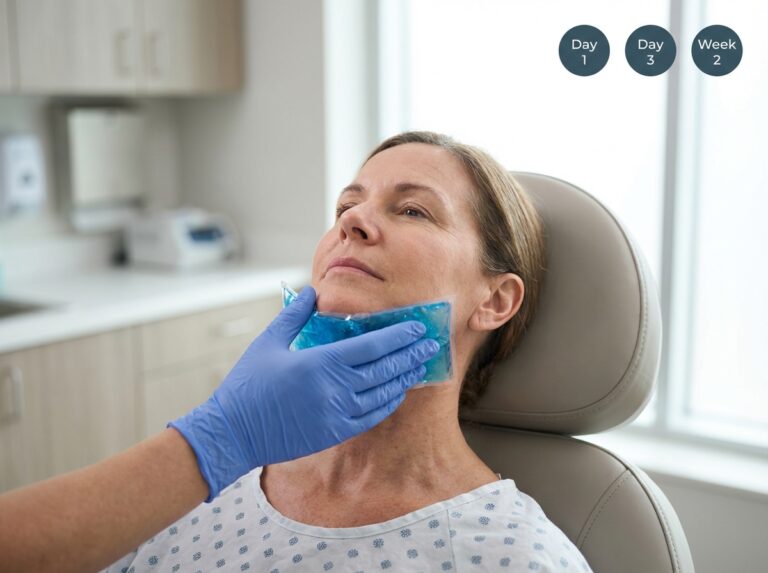
Cold therapy is effective for the first 48 to 72 hours. Apply cold compresses for 20 minutes on followed by 20 minutes off. Never place ice directly against the skin; use a thin cloth barrier to prevent frostbite or skin damage. This cycle helps constrict blood vessels and limits the initial inflammatory surge. Sleeping position is equally important for fluid drainage. Keep your head elevated at a 30 to 45-degree angle for the first two weeks using extra pillows or a wedge. Avoid sleeping on your stomach or side, as prone positions increase pressure on the submental area and can worsen localized puffiness.
Activity Restrictions and Movement
Rest is necessary but total immobility is not recommended. Start gentle walking around your home on the first day. This promotes circulation and reduces the risk of blood clots. Avoid strenuous exercise for at least two weeks. Do not lift anything heavier than 10 pounds during this initial window. Bending over or straining can cause a spike in blood pressure and lead to increased swelling or bleeding. Most patients can return to light cardio after two to four weeks. Always wait for a green light from your surgeon before returning to high-intensity workouts or heavy weightlifting.
Pain Control and Medication
Acetaminophen is the primary recommendation for pain management. It manages discomfort without the blood-thinning effects of NSAIDs. Your surgeon will tell you exactly when it is safe to resume medications like naproxen or Advil. In some cases of significant inflammation, a clinician might prescribe a short course of oral steroids. These are used sparingly to bring down stubborn edema. Never take unprescribed medications during this period. Stick strictly to the plan outlined by your medical team to ensure your safety.
Lymphatic Drainage and Massage
Manual lymphatic drainage can be a powerful tool for recovery. Most practitioners suggest starting these gentle treatments after the first 72 hours. The goal is to stimulate the lymphatic system to move stagnant fluid away from the chin. You should look for a therapist certified in lymphatic drainage who uses very light, rhythmic strokes. Later in the healing process, your clinician might suggest self-massage techniques involving gentle circular motions to break up any firm areas. This helps the tissue remain soft and prevents the formation of hard nodules.
| Recovery Phase | Expected Swelling Level | Key Action Step |
|---|---|---|
| Days 1 to 3 | Peak Swelling | Full time compression and icing |
| Week 1 | Visible Puffiness | Head elevation and light walking |
| Weeks 2 to 4 | Gradual Subsiding | Resume light cardio and massage |
| Months 3 to 6 | Residual Edema Clears | Final contouring and scar care |
Wound Care and Red Flags
As the incisions heal, protect them from the sun. UV exposure can cause permanent darkening of the scars. Use a high SPF sunscreen once the skin has closed. Scar massage can begin after the initial healing phase to keep the area supple. You must watch for specific red flags that require immediate medical attention. Contact your doctor or visit the emergency room if you experience a fever over 100.4 degrees Fahrenheit. Watch for expanding bruising which could indicate a hematoma. Uncontrolled pain or signs of infection like pus and extreme warmth are serious. Any loss of motor function in the lower face or lip should be reported immediately.
Realistic Timeline for Results
Patience is vital during this process. You will see an initial improvement in your contour within a few weeks. However, the final shape often takes three to six months to fully settle. For more details on the progression, you can view this Chin Liposuction Recovery: Week by Week Timeline. Most visible puffiness is gone by the six-week mark. The skin continues to tighten and the tissues soften over several months. Following the guidance from organizations like the American Society of Plastic Surgeons (ASPS) ensures you are using evidence-based methods. For a broader look at the process, check this guide on Chin Lipo Swelling & Timeline. Your individual healing rate depends on your age, skin elasticity, and how closely you follow these aftercare steps.
Practical aftercare for Kybella to manage swelling and nodularity
Recovering from Kybella is quite different from surgical options. While chin liposuction involves the physical removal of fat, Kybella uses deoxycholic acid to dissolve fat cells through a controlled inflammatory response. This chemical process means you should expect significant swelling. Many patients describe the appearance as looking like a bullfrog for the first few days. This reaction is a sign that the medication is actively breaking down fat. Before your first injection, your provider will explain that you will likely need two to four sessions. These are usually spaced four to eight weeks apart. This interval allows the tissue to heal and gives your body time to clear out the destroyed fat cells.
Immediate Steps to Manage Swelling
Icing Routine
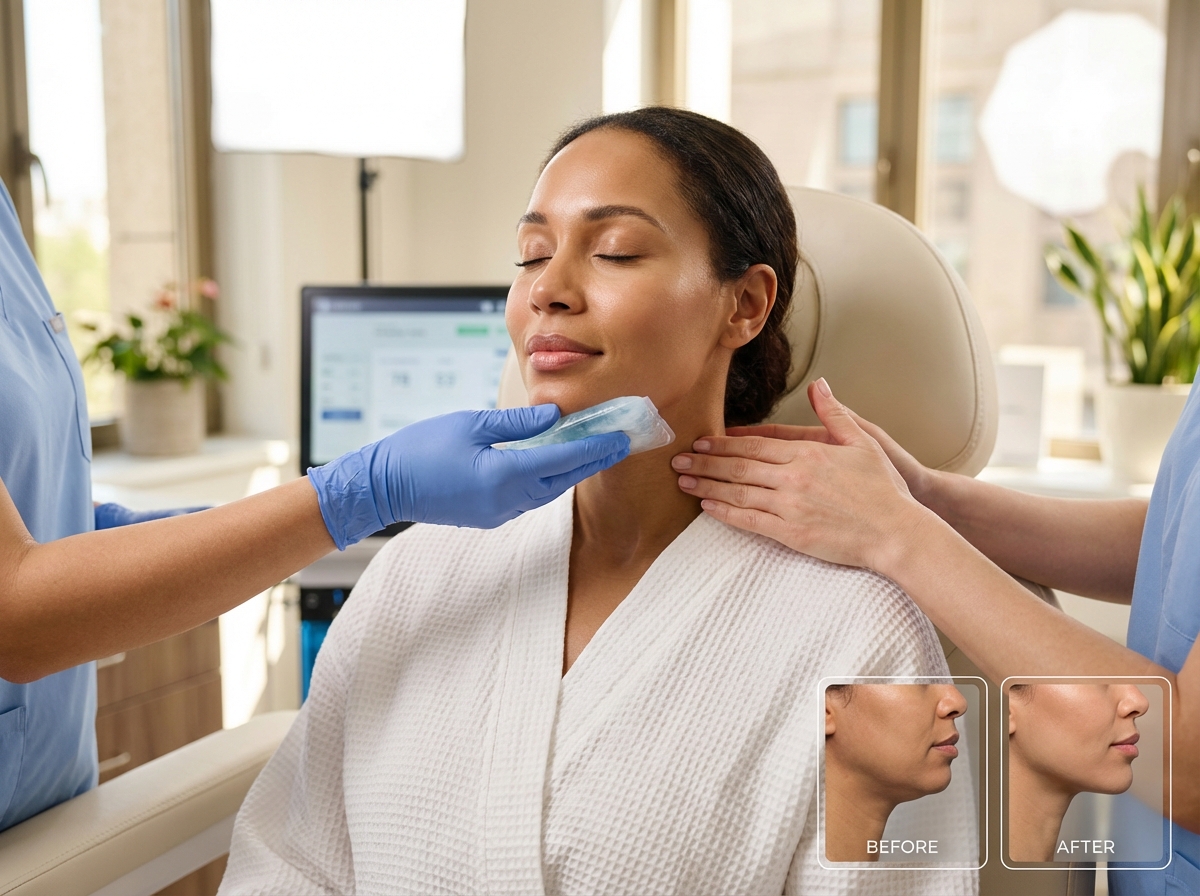
During the first 48 to 72 hours, focus on managing the initial inflammatory surge. Use a cold pack for 20 minutes on followed by 20 minutes off. Do not apply ice directly to your skin to prevent frostbite. Icing is most effective in the first two days; it helps constrict blood vessels and limits the amount of fluid that builds up in the neck area.
Head Elevation
Keep your head elevated even while sleeping for the first week. Use an extra pillow or a wedge. This position helps fluid drain away from the treatment site. Avoid sleeping on your stomach. Prone sleeping can increase pressure on the chin and often leads to more morning puffiness.
Activity Restrictions
Rest is vital for the first 24 to 72 hours. Avoid strenuous exercise during this window. Increased heart rate can make the swelling worse and prolong your recovery. Light walking is fine as it helps with circulation. Save the heavy lifting or intense cardio for after the first few days have passed.
Medications and Clinician Decisions
Pain Control
For managing discomfort, acetaminophen is the preferred choice. Most injectors suggest avoiding NSAIDs like ibuprofen or naproxen immediately after the procedure. These medications can increase the risk of bruising and might also interfere with the inflammatory process that Kybella requires to work. If you have a history of bleeding issues, your provider will give specific instructions on what to avoid.
Severe Reactions
In some cases, a patient might have an unusually intense reaction. Your clinician may then recommend a short course of oral steroids. They might also suggest oral antibiotics if they suspect an infection. These are not standard for every patient but are clinician-directed treatments for specific complications. Always follow the exact dosage provided by your medical office.
Handling Lumps and Nodularity
Expected Induration
It is very common to feel firm areas or small lumps under the skin. This is known as induration. These lumps usually resolve on their own as the body processes the debris. You might feel these for several weeks. They are a normal part of the Kybella recovery timeline.
Lymphatic Massage
You can start gentle manual techniques after the first 72 hours. Light strokes can help move fluid along. Do not press hard while the area is still tender. Most evidence suggests that while massage helps with comfort, the real contour changes come from internal remodeling. If you choose to see a professional, ensure they are a certified lymphatic therapist who understands the delicate nature of post-injection tissue.
Common Questions and Safety
Topical Aids
Many people ask about topical arnica or bromelain supplements to reduce Kybella swelling. There is limited clinical evidence that these significantly change the outcome. They are generally safe to try if your doctor approves and may help slightly with bruising, but they do not replace the need for icing and elevation.
Nerve Injury Risks
A rare but serious concern is injury to the marginal mandibular nerve. This presents as an uneven smile or weakness in the lower lip. If your smile looks crooked, contact your provider immediately. Most of these injuries are temporary, but they still require professional evaluation to ensure proper healing.
Results and Repeat Treatments
Do not expect to see a sharper jawline right away. The swelling usually peaks at 72 hours and can take one to four weeks to fully subside. The actual fat reduction takes much longer. You will likely see the real results several weeks or months after your final session due to the time needed for collagen remodeling. Most visible puffiness is gone within a month, but the final shape emerges later. You can find more details on how the final chin shape emerges over several months.
When to Contact Your Provider
Red Flags
While swelling is expected, certain symptoms require a call to the clinic. Contact your doctor if you develop a fever over 100.4 degrees Fahrenheit. Watch for signs of infection, including increasing redness, heat, or pus at the injection sites. Severe pain that does not respond to acetaminophen is not normal. Asymmetry that persists long after the initial swelling should have gone down is another reason to seek advice. Early intervention helps prevent long-term issues.
Frequently asked questions about swelling and recovery for chin treatments
How long will swelling last after my procedure?
Swelling after chin liposuction usually peaks within 48 to 72 hours and mostly resolves within 2 to 3 weeks.
The first three days involve the most significant inflammatory response. You will likely notice the most puffiness during this window. By the end of the first week, about half of that swelling typically subsides. Most visible swelling is gone by week four. You can find more details in this chin liposuction recovery timeline. Final results often take three to six months to fully settle as the skin tightens and the deeper tissues heal completely. Some clinicians note that patients with higher body mass index or those who had more fat removed might experience a longer period of residual edema.
When can I wear makeup or resume shaving?
Most patients can safely resume wearing makeup or shaving the chin area 1 week after their procedure.
If you underwent liposuction, you must wait until the small incision sites have closed and any crusting has disappeared. This prevents introducing bacteria into healing wounds. For Kybella, the skin often feels tender or numb for several days. It is best to wait until this sensitivity fades. Always use clean tools and fresh makeup to keep the area sterile. Some providers suggest waiting ten days if you have a history of slow healing or skin irritation.
Can I massage the area and when?
You can typically begin gentle massage or lymphatic drainage 48 to 72 hours after treatment once the initial inflammatory peak passes.
Massage helps move stagnant fluid out of the treated area and can help soften the firm feeling known as induration. After the first few days, you can use gentle circular motions with your fingertips. Do not apply heavy pressure. If you feel sharp pain, you should stop and wait another day. Many surgeons recommend waiting until the one-week mark for more vigorous tissue work to ensure the internal healing is stable enough to handle the manipulation.
When is swelling abnormal and when should I call my doctor?
Contact your doctor if you experience a fever over 100.4 degrees Fahrenheit, spreading redness, or severe pain that does not respond to medication.
Normal swelling feels tight but manageable. Red flags include pus draining from incisions or a sudden increase in swelling on just one side of the neck. If you have trouble breathing or swallowing, you must seek emergency care immediately. These could be signs of a rare but serious complication like a hematoma. Persistent motor deficits, such as an uneven smile, should also be reported to your provider right away. For more on what to expect, see this guide on how long it takes to recover from chin lipo.
Can I take NSAIDs or blood thinners?
Avoid NSAIDs like ibuprofen and blood thinners for at least 48 to 72 hours post-treatment unless your doctor specifically instructs otherwise.
Drugs like aspirin or naproxen can increase the risk of bleeding. This often leads to more bruising and prolonged swelling. Acetaminophen is usually the preferred choice for managing discomfort. If you are on prescription blood thinners for a medical condition, your surgeon will provide a specific plan for when to stop and restart them. Some herbal supplements like ginkgo or high doses of vitamin E can also thin the blood and should be avoided during the early recovery phase.
When is lymphatic drainage recommended?
Lymphatic drainage is recommended starting 3 days after chin liposuction to help move fluid and reduce the duration of visible swelling.
This specialized technique helps the lymphatic system process the extra fluid caused by surgical trauma. Many patients find it speeds up their recovery and improves the final contour. You should look for a certified lymphatic therapist who has experience with post-surgical care. It is often done once or twice a week for the first month. Some injectors also recommend very light lymphatic strokes after Kybella to help the body process the destroyed fat cells more efficiently.
How many Kybella sessions will I need and how long between them?
Most patients require 2 to 4 Kybella sessions spaced 4 to 8 weeks apart for optimal fat reduction.
The body needs time to clear the debris from the destroyed fat cells and build new collagen. If you schedule sessions too close together, you might increase the risk of long-term lumps or excessive inflammation. Your provider will check your progress at each visit to see if you need more treatments. People with more significant submental fat may require up to six sessions to reach their goals. Patience is key because the results are cumulative.
How does swelling after Botox, fillers or laser facials differ from chin procedure swelling?
Swelling from Botox or fillers usually lasts 1 to 3 days, while chin liposuction and Kybella involve deeper tissue trauma lasting several weeks.
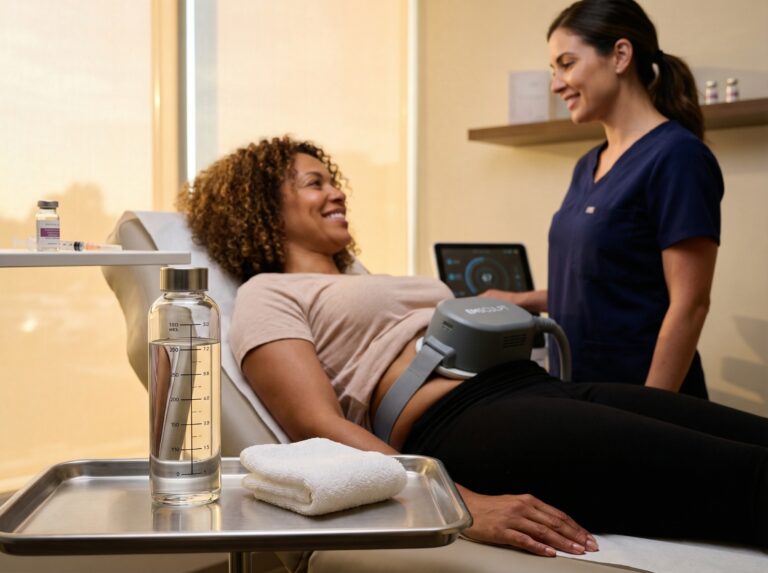
Chin procedures are more invasive than standard injectables. Botox has almost no downtime. Fillers might cause a few days of puffiness at the injection site. Laser facials and chemical peels usually involve surface swelling for three to seven days as the skin regenerates. Non-surgical body sculpting can cause swelling for one to two weeks. Chin treatments require more patience and more intensive aftercare like compression garments.
| Procedure | Typical Swelling Duration | Recovery Intensity |
|---|---|---|
| Botox | 1 to 2 days | Very Low |
| Dermal Fillers | 2 to 3 days | Low |
| Laser Facials | 1 to 3 days | Low to Moderate |
| Chemical Peels | 3 to 7 days | Moderate |
| Kybella | 1 to 4 weeks | Moderate to High |
| Chin Liposuction | 3 to 4 weeks | High |
Can I drink alcohol or fly after treatment?
It is best to avoid alcohol and flying for 24 to 72 hours after chin treatments to prevent increased swelling and dehydration.
Alcohol dilates blood vessels. This can lead to more fluid retention in the treated area. Flying involves air pressure changes that can make swelling feel much more uncomfortable and tight. Staying grounded and hydrated for the first few days helps the healing process stay on track. If you must fly, wear your compression garment and stay very well hydrated during the flight.
What should I do for persistent lumps after Kybella?
Persistent lumps after Kybella are common and usually resolve within 4 to 8 weeks as the body processes the destroyed fat cells.
These lumps are often areas of firm tissue called nodules. They are a normal part of the inflammatory response to the deoxycholic acid. You can use gentle heat and light massage if your provider approves it. If a lump is very painful or stays the same size after two months, you should have it checked by your injector. Most of the time, these areas soften and disappear on their own as the tissue remodels.
Conclusions and actionable aftercare checklist
Success in any cosmetic procedure depends on what happens after you leave the clinic. Healing from chin liposuction or Kybella is a process that moves in stages. You should expect the most significant swelling during the first three days. This is when the body reacts most strongly to the surgical trauma or the chemical breakdown of fat cells. While the initial puffiness can be startling, it is a sign that your immune system is working. Most patients find that the majority of visible swelling and bruising fades within two to three weeks. You can find more details on this in the Chin Liposuction Recovery: Week by Week Timeline – Dr. Sukkar which outlines the gradual shift from acute inflammation to the final contour.
Actionable Aftercare Checklist
Immediate Physical Measures
Keep your head elevated at all times for the first week. Use at least two pillows when sleeping to prevent fluid from pooling in your neck. Wear your compression garment exactly as your surgeon instructs. For the first three days, this usually means 24 hours a day. Use cold compresses for 20 minutes at a time during the first 48 hours to constrict blood vessels and limit the initial inflammatory response.
Medication Guidelines
Use acetaminophen for pain management. Avoid non-steroidal anti-inflammatory drugs like ibuprofen or aspirin for the first week unless your doctor says otherwise, as these can increase the risk of bleeding and bruising. If you were prescribed antibiotics, finish the entire course. Avoid herbal supplements like ginkgo or high doses of vitamin E as these can also thin the blood.
Activity and Movement
Walk around your home starting on the first day to promote circulation and help prevent blood clots. Avoid any heavy lifting or vigorous exercise for at least two weeks. Strenuous activity raises your blood pressure, which can cause a surge in swelling or even lead to a hematoma. You can usually return to light cardio after 14 days, but wait until the six-week mark for high-intensity workouts.
Lymphatic Support
Professional lymphatic massage can be very beneficial. Most clinicians suggest waiting at least 72 hours before starting. A certified therapist uses gentle movements to push excess fluid toward the lymph nodes, speeding up the resolution of swelling and preventing the formation of hard nodules. If you notice persistent lumps after Kybella, gentle self-massage might be recommended after the initial tenderness has faded.
When to Call Your Doctor
Red Flags and Warning Signs
Contact your clinic immediately if you develop a fever over 100.4 degrees Fahrenheit. Watch for spreading redness or skin that feels hot to the touch, which are signs of a potential infection. Sudden or extreme swelling on only one side of the neck could indicate a hematoma. If you experience any difficulty breathing or swallowing, seek emergency care. Persistent numbness is common, but a total loss of movement in your lower lip or a crooked smile should be reported to your provider right away.
Final Expectations and Follow-Up
Your final jawline will not be visible immediately. The skin needs time to retract and the internal tissues need to soften. According to the How Long Does It Take to Recover From Chin Lipo? guide, full healing typically takes three to four weeks. Even after that point, minor residual swelling can linger for several months. Schedule all your follow-up appointments to allow your clinician to monitor your progress and ensure the tissue is healing smoothly. Always follow the specific printed instructions provided by your own medical team, as they know the details of your procedure and your health history best.
Summary of Key Timelines
Quick Reference Facts
How long swelling lasts after Kybella: Swelling usually peaks within 48 to 72 hours and commonly lasts 1 to 4 weeks. Chin swelling after liposuction timeline: Most visible puffiness resolves within 2 to 3 weeks with final results at 3 to 6 months. Reduce Kybella swelling: Use head elevation and scheduled icing for the first 48 hours. Kybella recovery timeline: Expect 1 week of social downtime and several weeks for internal healing.
Downloadable Recovery Guide
We recommend downloading our one-page recovery checklist. It includes a daily log for icing and medication. You can print this out and keep it on your nightstand. Having a clear plan reduces stress and helps you stay on track for the best possible result.
References
- Chin Liposuction Recovery: Week by Week Timeline – Dr. Sukkar — Chin liposuction patients can generally expect the majority of swelling and bruising to resolve within two to three weeks, with final results …
- How Long Does It Take to Recover From Chin Lipo? — The recovery process after chin liposuction typically takes 3–4 weeks for complete healing, though most patients return to work within one week.
- Chin Liposuction After 1 Week: How Quickly Can You Recover? — After undergoing chin liposuction surgery, most patients can resume their regular daily activities within approximately 2 to 3 weeks.
- Chin Liposuction Recovery Timeline: Essential Tips – Raadina Health — Full chin lipo recovery takes about 3 to 4 weeks, with the first week being the hardest. You need to wear a compression garment and limit your physical …
- Chin Liposuction Recovery Day by Day: What to Expect — The full liposuction recovery timeline can stretch several weeks, depending on how your body responds.
- How Long Does Chin Lipo Really Take? — As you now know, full chin lipo recovery spans several months on average. However your specific healing duration can be impacted by: Extent of Treatment Area – …
- Plastic Surgery Recovery Statistics: 33 Facts About Healing Times — Most patients resume light activities within two weeks post-surgery. Wearing the chin strap during this period aids recovery, and surgeons often …
- Chin Lipo Swelling & Timeline: What to Expect After Surgery — Most visible puffiness is gone four to six weeks after surgery and your final chin shape emerges in three to six months.
- Liposuction Recovery Guide | Timeline and What to Expect — Most patients see their results continue to refine up to 3 to 6 months after surgery. Skin quality, elasticity and how closely you follow …
Legal Disclaimers & Brand Notices
The content provided in this article is for informational purposes only and does not constitute medical advice, diagnosis, or treatment. Always seek the advice of a physician or other qualified health provider with any questions you may have regarding a medical condition or procedure. Never disregard professional medical advice or delay in seeking it because of something you have read in this article.
All product names, logos, and brands mentioned in this text are the property of their respective owners. This includes, but is not limited to, Botox®. Use of these names, trademarks, and brands is for identification purposes only and does not imply endorsement, affiliation, or certification by the trademark holders.