How lip filler healing works and what to expect
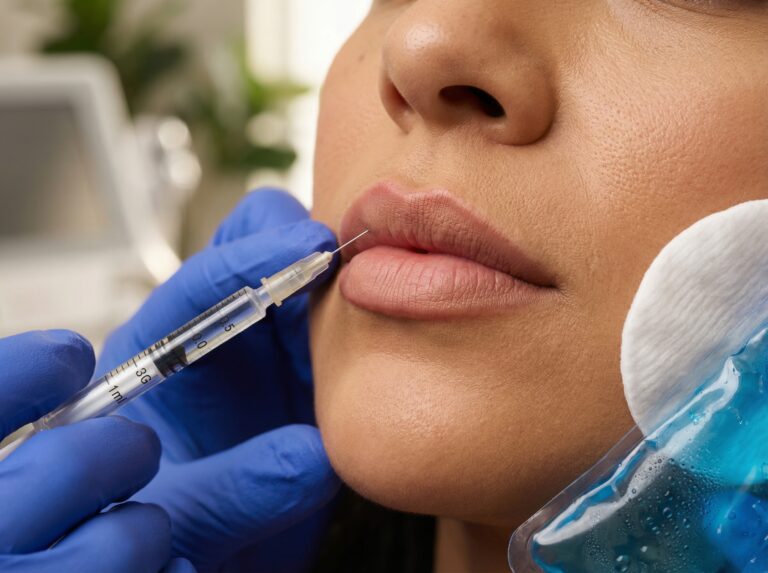
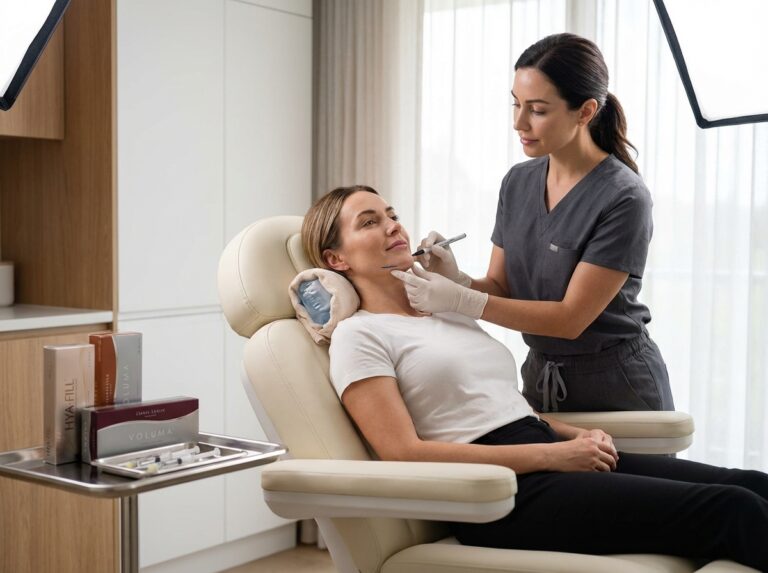
The biological response to hyaluronic acid fillers begins the moment the needle penetrates the mucosal tissue. This process triggers an immediate inflammatory cascade. Your body recognizes the injection as a minor injury and the filler material as a foreign substance. This leads to the release of histamines and other signaling molecules that increase blood flow to the area. Because hyaluronic acid is hydrophilic, it naturally draws water from surrounding tissues. This characteristic is essential for creating volume, but it also contributes to the significant initial puffiness that most patients experience in the first few hours.
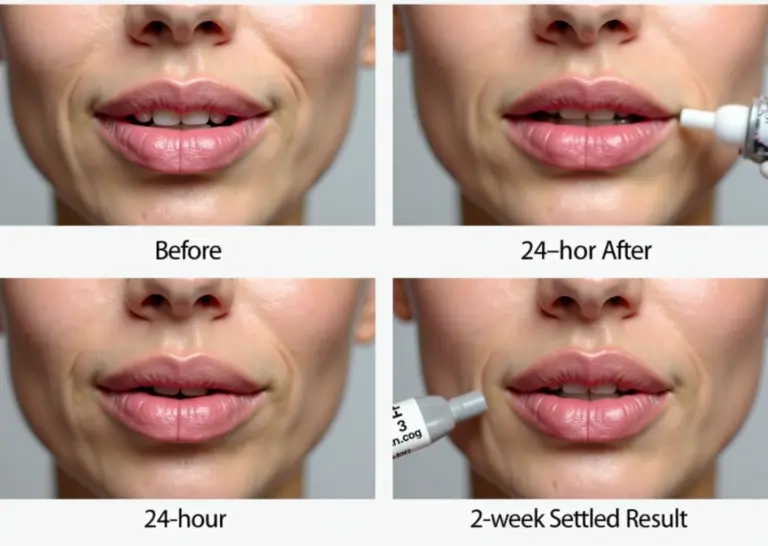
Clinical observations and data from the American Society of Plastic Surgeons show that swelling typically peaks between twenty-four and seventy-two hours after the procedure. During this window, the lips may feel tight or look slightly asymmetrical. This is rarely a reflection of the final result; it is simply the peak of the inflammatory phase. Most patients see a marked decrease in this inflammation by day five or seven. By the end of the first week, the initial trauma has largely subsided, and the true shape of the enhancement starts to become visible. You can find more details on this progression in this guide to the lip filler healing process.
The full resolution of bruising and minor residual swelling generally takes between seven and fourteen days. Even after the surface looks normal, the filler is still integrating with your natural anatomy. It takes about two to four weeks for the gel to settle completely and for the tissue to soften. During this time, the product moves from a palpable state to a more natural feel. If you are a first-time patient, your healing might feel slightly slower than someone who has had regular maintenance, as the body becomes more accustomed to the material over time.
Factors That Influence Your Recovery Speed
Several variables determine how quickly you will return to your normal routine. The viscosity and brand of the filler are primary factors. Most popular United States brands like Juvederm and Restylane are hyaluronic acid-based and follow similar recovery curves. However, thicker gels used for structural support often cause more initial displacement and longer swelling than thinner, more flexible formulas like Juvederm Volbella, which may settle slightly faster. The depth of the injection also matters; superficial injections might lead to more visible bruising, while deeper placements can cause more internal pressure.
The experience of your injector plays a vital role in minimizing trauma. Precise placement reduces the number of needle passes, which directly impacts the amount of post-procedure inflammation. Patient-specific variables are equally important. Younger patients often have a more robust inflammatory response, which can lead to sharper peaks in swelling. Smoking is a significant hindrance to recovery as it restricts blood flow and slows down the cellular repair process. If you take medications like anticoagulants or supplements like fish oil, you may experience more extensive bruising. Your immune status also dictates how your body handles the foreign material; those with highly reactive immune systems might notice lingering tenderness for a few extra days.
Understanding Risks and Red Flags
While lip fillers are common, they are medical procedures with specific risks. Infection is a possibility if the injection sites are exposed to bacteria before they have closed, making hygiene critical in the first forty-eight hours. Another common issue is the reactivation of the herpes simplex virus. The physical trauma of the needle can trigger a cold sore outbreak in about ten to twenty percent of people with a history of the virus. If you feel a tingling sensation, you should contact your provider for antiviral medication immediately.
You should also monitor how your lips react to contact. Some increase in swelling is normal if you engage in physical contact within the first few days due to increased blood flow. However, if redness spreads beyond the lips or if you see a rash after kissing, it could indicate an allergic reaction or a mild infection. If the swelling does not improve with a cold compress within 24 hours, notify your clinic.
Vascular occlusion is a rare but serious complication that requires urgent attention. This happens if the filler accidentally blocks a blood vessel. You must watch for symptoms like severe pain that feels disproportionate to the procedure. Skin blanching, where the area looks white or unusually pale, is a major warning sign. A mottled purple pattern known as livedo reticularis or increasing numbness should prompt an immediate call to your injector. Persistent asymmetry that does not improve after two weeks also warrants a follow-up appointment to ensure the product has not migrated.
Routine Post-Injection Precautions
To ensure the best results, you must follow strict aftercare protocols during the first few days. Avoid applying any pressure or rubbing your lips for at least seventy-two hours. This prevents the filler from moving out of its intended position. You should stay away from hot environments like saunas, steam rooms, or hot tubs for forty-eight hours. Heat dilates the blood vessels and can significantly worsen lip filler swelling. Heavy exercise should also be avoided for the first two days to keep your blood pressure stable and minimize bruising.
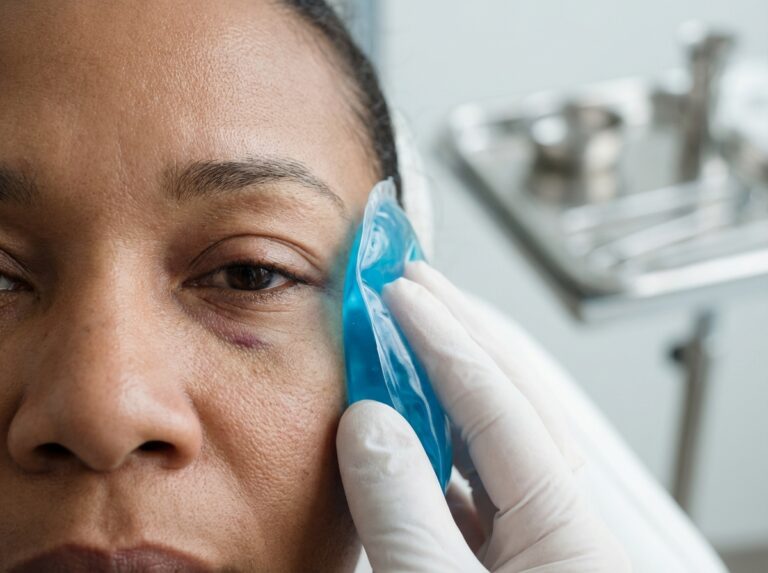
Managing discomfort and swelling can be done effectively at home. Use cold compresses for ten minutes at a time throughout the first day. Be careful not to apply heavy pressure with the ice pack. It is best to limit alcohol consumption and avoid non-steroidal anti-inflammatory drugs like ibuprofen for forty-eight hours if your provider agrees. These substances can thin the blood and make bruising more prominent. Keeping your head elevated while sleeping for the first two nights can also help the fluid drain more efficiently from the facial tissues.
| Recovery Phase | What to Expect | Action Required |
|---|---|---|
| 0-72 Hours | Peak swelling and tenderness | Cold compresses and no pressure |
| 4-7 Days | Swelling drops by 50 percent | Resume light activity |
| 7-14 Days | Bruising fades completely | Final shape emerges |
| 2-4 Weeks | Filler fully settles | Follow-up appointment |
Adhering to these guidelines helps the hyaluronic acid integrate smoothly with your lips. Most patients find that the initial inconvenience is a small price to pay for the long-term results. By the end of the second week, you will likely feel much more comfortable with the look and feel of your enhancement. Always maintain open communication with your clinic if any part of your healing process feels outside the normal range described by the Aesthetic Society or your specific provider.
Practical guidance for kissing and intimacy after lip fillers
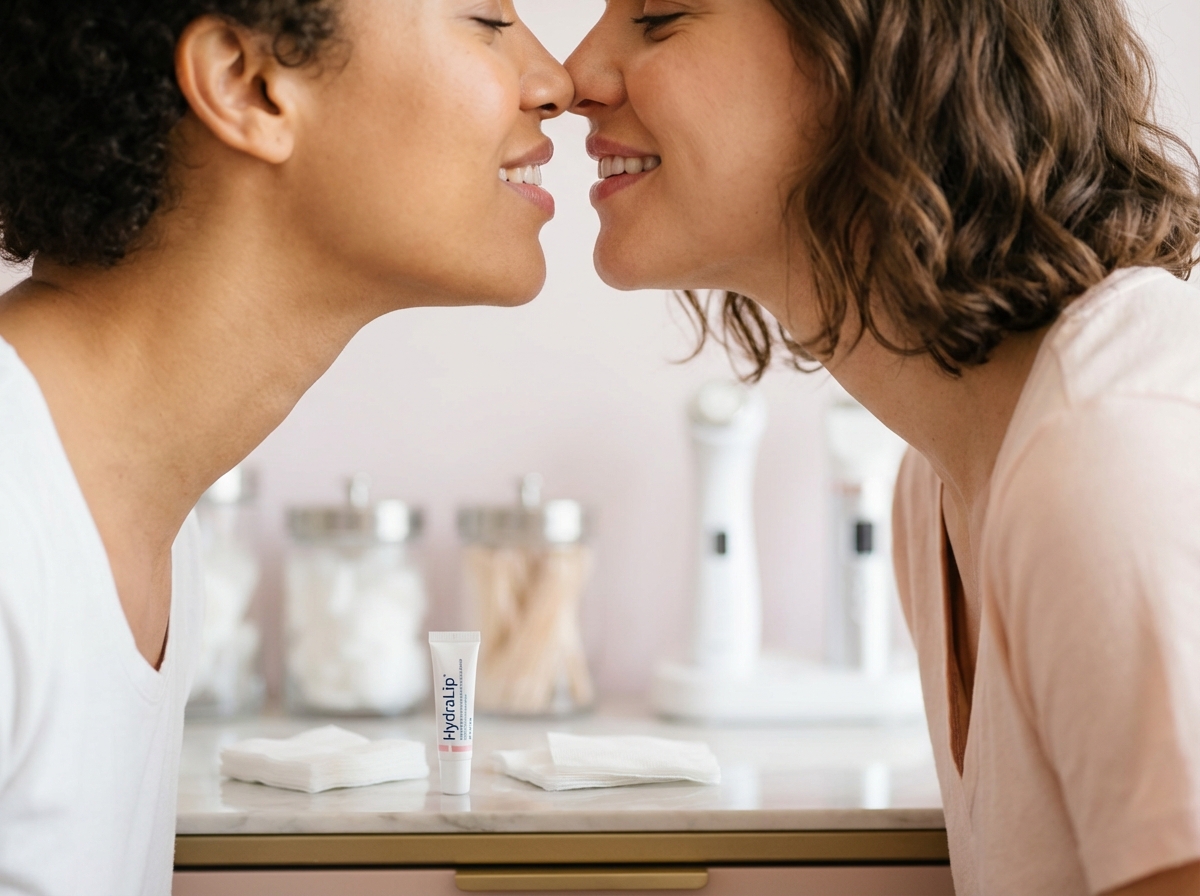
Getting lip fillers is an exciting step toward the look you want. It is natural to feel eager to show off your results. However, your lips need a specific amount of time to heal before you resume any kind of physical intimacy. The tissue undergoes significant stress during the injection process. Even though the procedure is non-invasive, the needles create micro-channels that must close properly to ensure a safe recovery. Patience is the most important part of your aftercare routine during the first few days.
Recommended Wait Times for Different Activities
The level of contact determines how long you should wait. For light closed mouth pecks, most injectors suggest waiting between 24 and 48 hours. This short window allows the initial swelling to start subsiding. It also gives the injection sites enough time to seal over. If you feel any sharp pain or notice significant tenderness, it is better to wait the full 48 hours before attempting even a gentle kiss.
More passionate activities like open mouth kissing or extended frictional contact require a longer break. You should wait at least 72 hours, but many professionals recommend waiting up to two weeks. This depends entirely on how much swelling or bruising you experience. If your lips still feel firm or look discolored, any vigorous movement can cause discomfort. It can also interfere with the way the filler settles into your natural tissue. You can find more details on this in the Lip Filler Healing Process Day-by-Day guide.
Intense activities or oral intimacy involving strong suction or heavy pressure carry the highest risk. You should wait a full two weeks for these activities. By the 14 day mark, the hyaluronic acid has usually integrated with your lip anatomy. The risk of causing the filler to shift or creating new inflammation is much lower at this stage. Waiting until all visible bruising and swelling have resolved is the safest approach for your long term results.
Why Waiting is Necessary
There are several clinical reasons to hold off on smooching. The first concern is the risk of infection. Human saliva contains a high concentration of bacteria. If you kiss someone while your injection sites are still open, you risk introducing those bacteria into the deeper layers of your skin. This can lead to localized infections or even small abscesses that require medical treatment.
The second reason involves filler displacement. Hyaluronic acid fillers are quite pliable when they are first injected. Firm pressure or repetitive movement can physically push the product out of its intended position. This might result in lumps or an asymmetrical appearance. The third reason is simple irritation. Your lips are already dealing with trauma from the needles. Adding friction or heat from kissing will only increase the inflammatory response. This makes your swelling last longer than it should.
Guidance for Partners and Communication
It is helpful to talk to your partner about your recovery timeline. Explain that your lips are currently healing and need a little space. If your partner is the one who recently had fillers, you should be mindful of their comfort. Ask them how their lips feel before initiating any contact. Look for signs of active scabbing or significant swelling. You must avoid kissing if your partner has any active cold sores or open wounds. This prevents the spread of viruses and protects the integrity of the filler treatment.
Special Scenarios and Health Factors
Patients with a history of the herpes simplex virus (HSV) need to be extra cautious. The physical trauma of the injection can trigger a cold sore outbreak. If you are prone to these, you should delay any close oral contact until any lesions are fully healed. Many providers recommend starting an antiviral prophylaxis a few days before your appointment. This helps keep the virus dormant during the vulnerable healing phase.
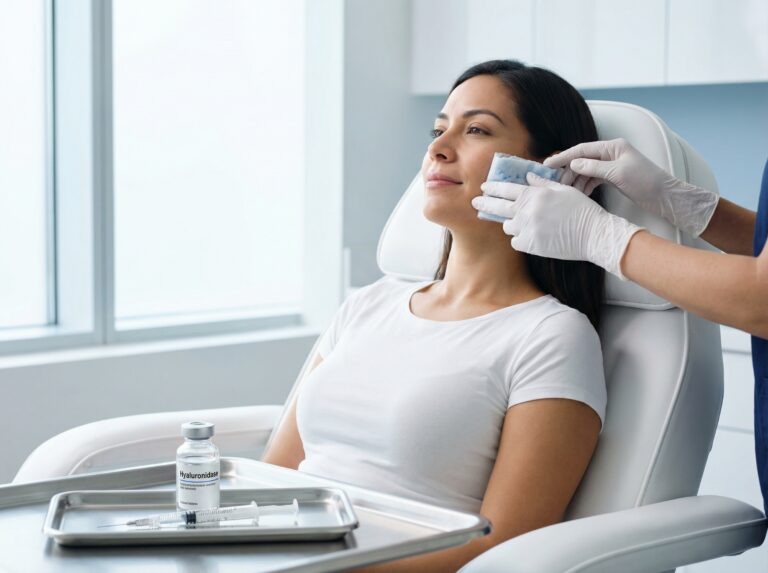
If you are having your filler dissolved with hyaluronidase rather than injected, the timeline is similar. Dissolving involves an enzyme injection that causes its own temporary swelling. You should wait at least 24 to 48 hours for the swelling to peak and begin to resolve. Most patients can resume normal kissing after one week, once the enzyme has finished its work and the tissue has stabilized.
Your overall health also plays a role in how quickly you can return to intimacy. If you have a weakened immune system, your body may take longer to close the injection sites. Those taking systemic anticoagulants or blood thinners might experience more intense bruising. In these cases, you should follow a stricter timeline. Consult your injector for a personalized recommendation. They may suggest waiting the full two weeks even for light contact to ensure your safety. You can review general recovery expectations through the American Society of Plastic Surgeons guidelines.
| Condition | Wait Time for Kissing | Special Considerations |
|---|---|---|
| Standard Recovery | 24 to 72 hours | Start with gentle contact. |
| Active Cold Sore | 7 to 10 days | Wait for full skin healing. |
| Pregnancy | Consult Doctor | Fillers are generally avoided. |
| Immunosuppression | 1 to 2 weeks | Higher risk of infection. |
| Dissolving Filler | 1 week | Wait for enzyme swelling to go. |
Adjunct Aftercare and Hygiene
Managing your lip health during this time involves more than just waiting. Use gentle, fragrance free lip balms to keep the skin hydrated. Avoid wearing heavy lipsticks or long wear glosses for the first 24 hours. These products can be difficult to remove and might harbor bacteria. Good hygiene is essential before and after any intimate contact. A gentle rinse with plain water or a mild cleanser can help keep the area clean without causing irritation.
Other professional treatments should also be rescheduled. You should wait at least two weeks before having any dental work done. The stretching of the mouth during a cleaning can put too much pressure on the new filler. The same applies to professional facials or chemical peels. These treatments often involve heat or massage that can disrupt the settling process. For more information on post-procedure restrictions, see Is There Any Downtime After Dermal Fillers? for expert advice.
Avoid public displays of affection immediately after your procedure. Your lips will likely look overfilled or uneven for the first few days. This is a normal part of the inflammatory process. Focus on following your injector’s advice and using cold compresses to manage the swelling. Once the two week mark passes, you can enjoy your new look with full confidence.
Final thoughts and essential takeaways
Navigating the recovery period after getting lip fillers requires a balance of patience and observation. While the desire to enjoy your new look is natural, the first few days are critical for the filler to settle properly within the tissue. Hyaluronic acid based products like Juvederm or Restylane are soft and pliable when first injected. They need time to integrate with your natural lip structure without being displaced by external pressure. Following a structured plan ensures that you minimize the risk of migration or uneven results.
The most important step in your recovery is a daily self examination. You should look at your lips in a mirror to check for any unusual swelling or open wounds. Small crusts or tiny scabs at the injection sites are normal during the first 24 hours. You must leave these alone to prevent bacteria from entering the skin. If the skin looks healthy and the swelling is manageable, you can begin to think about returning to your normal routine. Most patients find that their lips feel quite tender for the first few days, which naturally discourages intense physical contact.
A Clear Takeaway Plan for Intimacy
Your timeline for kissing should follow the physical cues your body provides. For the first 24 to 48 hours, you should stick to very gentle pecks. This minimal contact prevents the filler from shifting while the initial inflammation is at its peak. Between 72 hours and two weeks, you can gradually increase the intensity of kissing based on how well you are healing. If you still feel significant lumps or if your lips are very bruised, it is better to wait. By the end of the second week, the filler has usually integrated fully. You can find more details on this in the lip filler healing process guide which outlines the day by day expectations for recovery.
Safety must always come before aesthetics. You should never engage in kissing if you or your partner has an active cold sore. The process of injecting the lips can sometimes trigger a flare up of the herpes simplex virus due to the minor trauma to the tissue. Kissing with an active lesion can spread the virus or cause a secondary infection in your healing injection sites. If you have a history of cold sores, you should have already discussed antiviral options with your clinician before the procedure. If a sore appears after the fact, wait until it is completely healed and the skin is intact before any intimacy.
Broader Aftercare Context
This cautious approach to recovery applies to many other non invasive cosmetic treatments available in the United States. If you are also receiving Botox or Dysport, you should avoid putting pressure on the treated areas for at least 24 hours to prevent the neurotoxin from migrating to nearby muscles. Laser facials and chemical peels leave the skin barrier temporarily compromised, making it sensitive to heat and friction. Even non surgical body sculpting treatments require specific protocols like staying hydrated or avoiding certain types of massage. Each procedure has its own set of rules designed to maximize your results and keep you safe. Always consult your specific providers for tailored guidance that aligns with the most current professional recommendations for 2025.
Taking care of your lips after filler is not just about the first few days. It is about establishing a routine that supports the longevity of the product. Staying hydrated and using a high quality SPF on your lips can help the hyaluronic acid last longer. Most first time patients see their results last between four and nine months, but this depends on your metabolism and how well you follow the initial aftercare steps. By being patient during the first two weeks, you set the stage for a beautiful and natural looking result that you can enjoy with confidence.
References
- How Long Does Lip Filler Swelling Last? – Azul Medspa — If you don't fall in love with your new lips, you can rest assured they'll return to normal in a matter of months (typically between 12 to 18 …
- How Long Does Lip Filler Last the First Time? (Surprising Truth!) — For most first-time lip filler patients, results typically last between 4-9 months. However, this timeline can vary significantly based on …
- Lip Filler Healing Process Day-by-Day: A Timeline of What to Expect — Lip fillers are non-surgical, but they still take time to heal. Here's what to expect from the average lip filler healing process day-by-day …
- Lip Fillers: How Long Do They Last? – Westlake Dermatology — With the above in mind, most patients can expect their results to last between 6 months and one year. Data from some of the most popular brands …
- Dermal Fillers Recovery – American Society of Plastic Surgeons — "Botox typically lasts between two and four months, and that is the expectation that you'll need a treatment either three or four times a year if you wanna …
- Is There Any Downtime After Dermal Fillers? | Boston — Most hyaluronic acid dermal fillers last one to two years. Lip fillers last up to one year, and cheek and jawline fillers can last up to two …
- Lip Filler Swelling Stages: How Long Does It Last? — By the third and fourth week, you'll likely reach the final stage of the healing process. Your lips should be fully settled, with the swelling gone, leaving you …