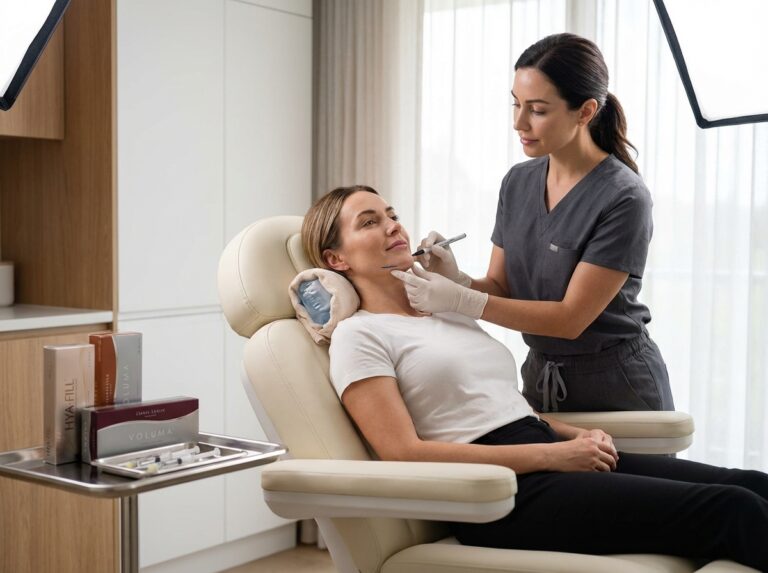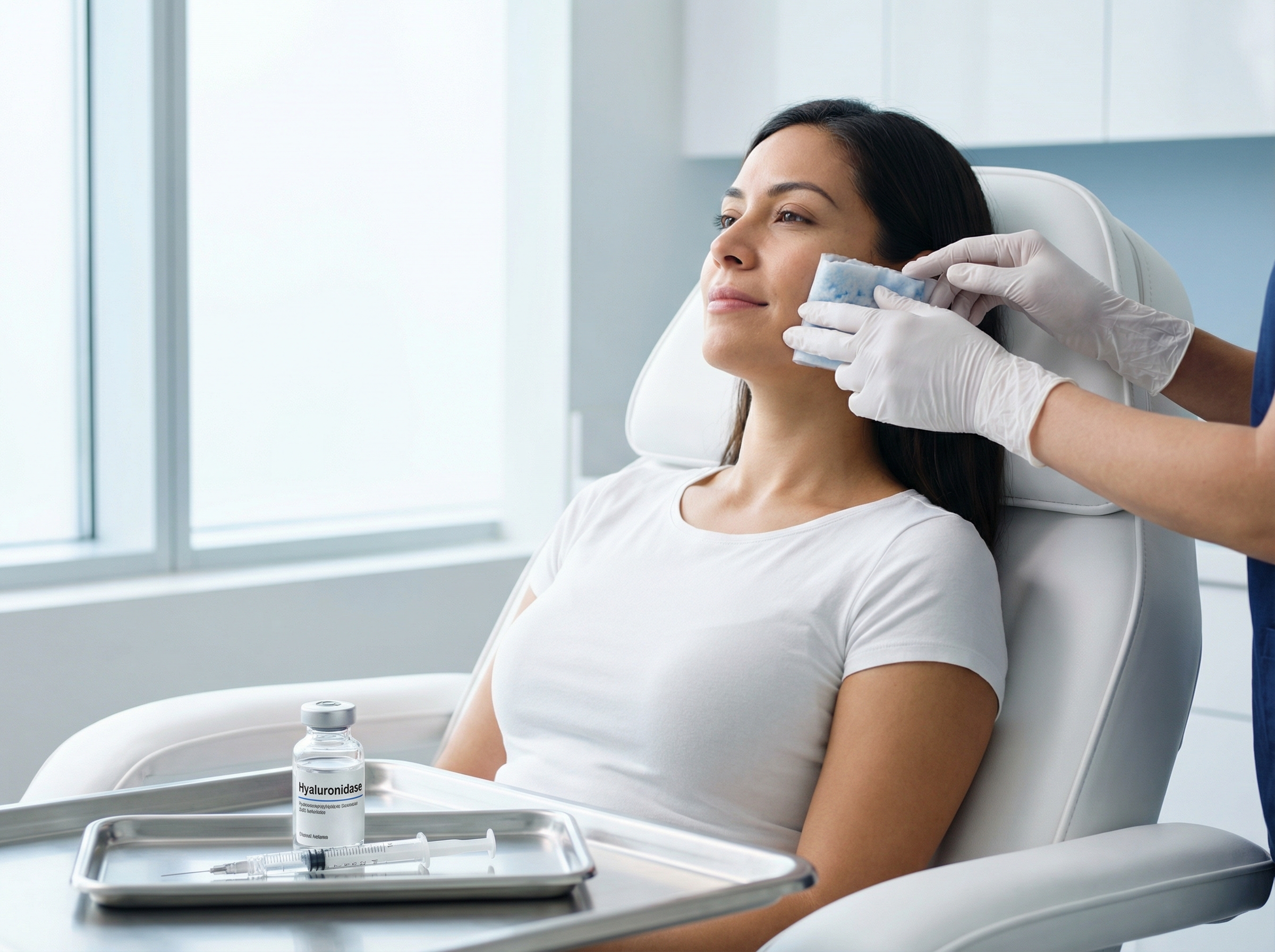
Hyaluronidase dissolves unwanted hyaluronic acid fillers quickly, but safe recovery depends on proper aftercare. This article walks through what to expect, immediate and 72‑hour care, complication recognition, follow‑up planning, and practical do’s and don’ts to protect results. It is aimed at patients and providers seeking clear, up‑to‑date guidance on hyaluronidase aftercare within non‑invasive cosmetic practice.
How hyaluronidase works and when it’s used
Hyaluronidase functions as a soluble protein enzyme that acts specifically on hyaluronic acid. It works by hydrolyzing the glucosaminidic bonds that hold the gel structure together. This enzymatic reaction reduces the viscosity of the filler and converts it into a liquid state that the body absorbs and excretes naturally. The process mimics the body’s natural turnover of its own hyaluronic acid but at a significantly accelerated rate.
Formulation Differences
Clinicians choose between two primary categories of hyaluronidase. Recombinant human formulations are produced in a laboratory setting to replicate the specific protein sequence found in human tissue. These generally present a lower risk of allergic reactions and are preferred for patients with sensitive histories. Animal-derived formulations typically originate from bovine or ovine sources. While effective, these carry a higher statistical probability of immunogenic responses due to foreign protein structures. The choice of product often depends on availability and the specific clinical indication.
Clinical Indications
The decision to use hyaluronidase goes beyond simple aesthetic dissatisfaction. We utilize this enzyme to correct volume overloads where the natural anatomy appears distorted or puffy. It treats the Tyndall effect, where superficial filler placement results in a bluish hue under the skin. It is the standard of care for managing granulomas or delayed-onset nodules that do not resolve with conservative therapy. The most urgent indication is vascular occlusion. This medical emergency occurs when filler inadvertently enters or compresses a blood vessel. Immediate saturation with high doses of hyaluronidase is required to restore blood flow and prevent tissue necrosis.
Onset and Duration of Action
The enzymatic breakdown begins immediately upon contact with the hyaluronic acid gel. Patients often observe a softening effect or volume reduction within minutes of injection. The biochemical process continues to degrade the filler for 24 to 48 hours after the procedure. However, residual swelling from the injection fluid or tissue trauma can mask these immediate results, creating a waiting period where the final outcome is not instantly visible. Clinicians typically advise waiting a full 14 days before assessing the need for further treatment or re-injection.
Factors Influencing Effectiveness
Not all fillers dissolve at the same rate. The chemical engineering of the hyaluronic acid product plays a major role in resistance to the enzyme. Highly cross-linked fillers or those with specific manufacturing technologies like Vycross require higher doses and multiple sessions to break down completely. The age of the filler also matters; older deposits may integrate with the surrounding tissue or form a capsule that limits the enzyme’s ability to penetrate the gel. Furthermore, the total volume of filler present dictates the necessary dosage. A small amount of migration requires significantly less enzyme than a large area of overcorrection.
Safety Considerations
A thorough medical history is necessary before administration. The most significant risk is an allergic reaction, which can range from local swelling to anaphylaxis. Patients with a history of bee sting allergies may have a higher risk of reaction to animal-derived hyaluronidase due to shared venom proteins; recombinant options are safer in these contexts. Pregnancy and breastfeeding are standard contraindications for elective dissolving procedures due to the lack of controlled safety data, though emergency use for vascular occlusion supersedes this. Patients taking anticoagulants or blood thinners should be aware of the increased risk of hematoma or bruising at the injection site.
Dosing Strategy
There is no universal fixed dose for dissolving filler. We adopt an individualized approach based on the volume of filler to be removed and the type of product used. A conservative titration allows for partial reduction without removing all the volume if the patient desires a subtle adjustment. Emergency situations like vascular compromise require aggressive and high-dose protocols that prioritize tissue salvage over aesthetic preservation. Efficacy and Safety of Hyaluronic Acid Fillers for Midface Augmentation studies highlight that understanding the specific rheology of the filler is key to determining the correct enzyme quantity.
Patient Expectations and Natural Hyaluronic Acid
Informed consent involves managing realistic expectations. The enzyme is not a magic eraser that restores the face to its exact pre-filler state instantly. The rapid loss of volume can result in temporary skin laxity or a deflated appearance until the skin retracts. A common concern is whether the enzyme damages the body’s natural hyaluronic acid. While hyaluronidase hydrolyzes both synthetic and natural HA in the injection zone, the body’s turnover rate for natural HA is rapid, typically replenishing its own supply within 24 to 48 hours. Therefore, any “hollowness” persisting beyond a few weeks is usually due to the removal of the added filler volume rather than tissue loss.
Immediate care during the first 0 to 48 hours
Managing the First Few Hours
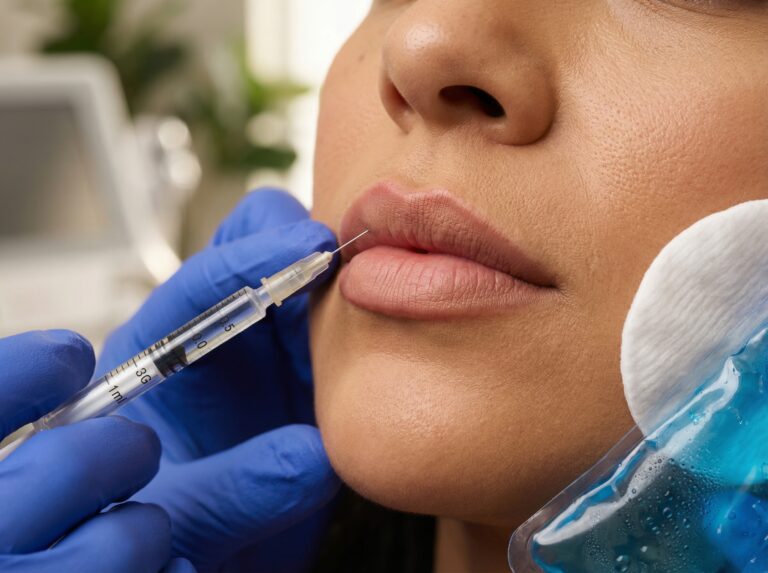
The enzymatic reaction begins the moment hyaluronidase enters the tissue. You may feel a stinging or burning sensation that persists for 15 to 30 minutes after the injection; this is often more uncomfortable than the original filler injection. To mitigate this, providers may mix lidocaine with the enzyme or apply topical numbing cream beforehand. Your primary responsibility during this initial window is to avoid touching the treated area. The injection points remain open micro-wounds for several hours. Touching the skin introduces bacteria and significantly increases the risk of infection. Do not massage the area unless your clinician specifically performed a massage immediately after injection and instructed you to continue. Unnecessary rubbing can increase inflammation and inadvertently spread the enzyme to adjacent areas where you might want to retain volume.
Cold Therapy Protocols
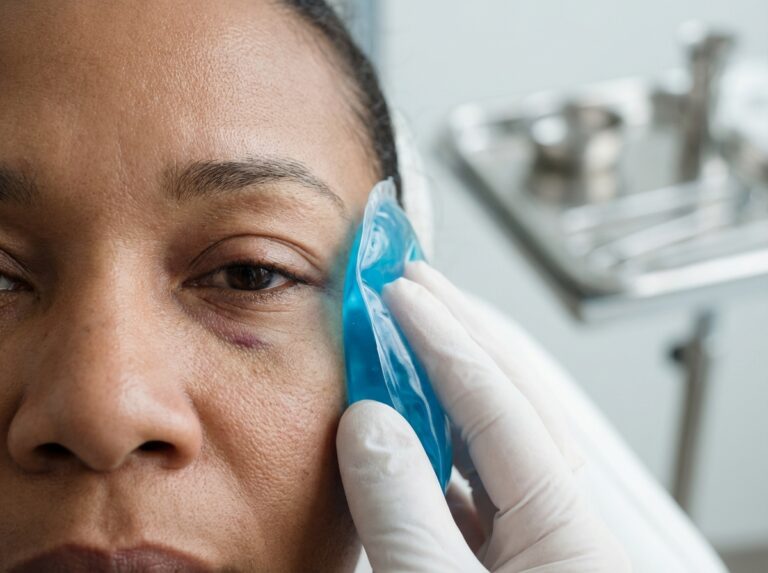
Swelling is the most common side effect of hyaluronidase. It often appears worse than the original filler volume for the first 24 hours due to the fluid volume of the injection itself. To manage this, apply a cold pack wrapped in a thin cloth or a clean paper towel. Never apply ice directly to the skin. The anesthesia or numbing cream used during the procedure may desensitize your skin, making it difficult to feel if the ice is causing frostbite or thermal injury. Apply the cold pack for 10 minutes, then remove it for 10 minutes. Repeat this cycle for the first few hours. This vasoconstriction helps limit the spread of bruising and controls the initial inflammatory response.
Pain Management and Medications
Discomfort should be mild to moderate. If you require pain relief, choose acetaminophen (Tylenol). Avoid non-steroidal anti-inflammatory drugs (NSAIDs) such as aspirin, ibuprofen (Advil, Motrin), or naproxen for the first 48 hours. These medications inhibit platelet function and can exacerbate bleeding and bruising at the injection sites. If you take blood-thinning supplements like fish oil, high-dose vitamin E, or gingko biloba, pause these for two days unless a doctor advises otherwise. Your provider may recommend an oral antihistamine like cetirizine or loratadine if you experience significant itching or redness, as localized histamine release is common. Topical antibiotics are generally not necessary unless there is a specific concern about sterility.
Hygiene and Cosmetic Use
You must keep the area clean. Wash your face this evening with a gentle, non-acidic cleanser and cool water. Use your clean hands rather than a washcloth or exfoliating sponge. Pat the skin dry gently; do not rub. Avoid active skincare ingredients like retinoids, glycolic acid, or vitamin C for at least 48 hours, as these can irritate the compromised skin barrier. Regarding cosmetics, it is safest to wait until the next morning to apply makeup. This allows the injection channels to close completely. If you must cover a bruise for work the next day, use clean brushes and mineral-based makeup. Avoid heavy, occlusive liquid foundations that can trap bacteria against the healing skin.
Physical Activity and Heat Restrictions
Your body needs energy to heal and process the degraded filler. Avoid vigorous exercise for 24 to 48 hours. Activities that elevate your heart rate increase blood flow to the face, which worsens swelling and throbbing. Avoid environments with extreme heat, including saunas, steam rooms, hot yoga, and prolonged sun exposure. Heat causes vasodilation, expanding the blood vessels and prolonging the recovery time. Alcohol consumption has a similar effect; it dilates capillaries and dehydrates the skin. Avoid alcohol for at least 24 hours to minimize bruising and speed up the resolution of edema.
Sleep and Elevation
Gravity influences fluid accumulation significantly during the first night. Sleep on your back with your head elevated on two pillows. This position encourages lymphatic drainage away from the face and reduces morning puffiness. Sleeping on your face or side can put uneven pressure on the treated area, which might displace the enzyme before it has finished working or contribute to asymmetrical swelling.
Monitoring Swelling and Bruising
It is vital to distinguish between normal recovery symptoms and signs of complications. Expect the area to look “deflated” or “pruney” once the swelling subsides, as the skin needs time to retract after the volume loss. Bruising can range from yellow to deep purple and typically peaks around day two. Redness should be mild and localized to the injection points. If you notice spreading redness that feels hot to the touch, this could indicate an infection. Efficacy and Safety of Hyaluronic Acid Fillers for Midface Augmentation studies highlight that while serious adverse events are rare, vigilance in the first 48 hours is key to early detection. Take a photograph of the treated area in good lighting on the evening of the procedure and another the following morning to provide an objective record.
Communication and Follow-Up
The full effect of hyaluronidase is not always immediate. While some volume loss happens instantly, the enzyme continues to work, and the tissue fluids shift over 48 hours. Do not panic if the filler does not seem completely gone immediately; swelling often masks the result. Schedule a brief follow-up or check-in with your clinician for 48 to 72 hours post-treatment. Contact your provider immediately if you experience severe pain that is not relieved by acetaminophen, mottled skin discoloration (pale or blue patches), or blisters. These could be signs of vascular compromise, which requires urgent intervention regardless of the time of day.
Follow up care and managing complications
Once the initial 48-hour window passes, the focus shifts from immediate symptom management to monitoring tissue recovery and evaluating the aesthetic outcome. While the enzyme hyaluronidase works quickly to break down hyaluronic acid, the surrounding tissue requires time to settle. This period is critical for distinguishing between normal healing and potential complications that require medical intervention.
Recovery Timeline and Expectations
Understanding the biological process helps manage anxiety about the appearance of the treated area. The enzyme action is rapid, but the visual results are often masked by the body’s inflammatory response to the injection.
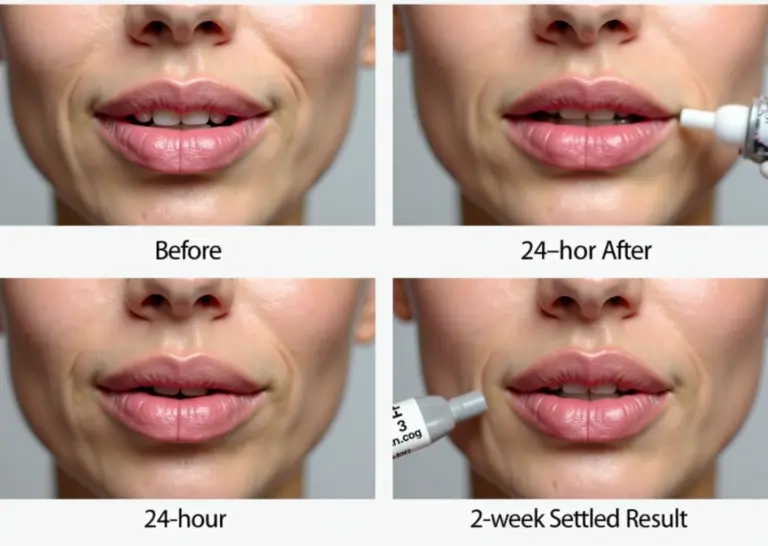
Immediate to 24 Hours
The enzymatic breakdown of the filler happens almost instantly upon contact. However, the injection fluid volume and immediate histamine response often cause swelling that mimics the original fullness. You might feel the area is “mushy” or softer, even if it looks swollen.
24 to 72 Hours
This is typically the peak of the enzymatic effect. The active hyaluronidase has been metabolized by the body, but the dissolved hyaluronic acid byproducts are still being cleared by your lymphatic system. Swelling should begin to stabilize.
7 to 14 Days
Most procedure-related side effects resolve during this window. Bruising changes color and fades, and residual fluid accumulation dissipates. The tissue texture begins to normalize. This is the earliest point where you can get a realistic idea of the remaining volume.
2 to 4 Weeks
The tissue has fully healed. This is the standard time for a final aesthetic reassessment. Any remaining asymmetry or volume deficit seen now is likely permanent until further treatment is performed.
Retreatment and Aesthetic Management
A common error is rushing to re-inject or dissolve more filler before the tissue has equilibrated. Hyaluronidase is a spreading agent that increases tissue permeability, and injecting more filler into inflamed tissue can lead to unpredictable results or migration.
Safe Intervals for Retreatment
Providers generally advise waiting a full 14 days before attempting a second round of dissolving. This prevents “chasing” swelling with more enzyme, which can lead to unnecessary depletion of natural hyaluronic acid. If you plan to refill the area with new filler, a wait time of 2 to 4 weeks is standard to ensure the foundation is stable.
Managing Volume Deficits and Skin Laxity
Dissolving large amounts of filler, particularly in the midface or lips, can result in temporary skin laxity or an appearance of deflation. This is often not true tissue damage but rather the skin needing time to retract. Keep the skin hydrated with high-quality topical moisturizers. If laxity persists beyond 4 weeks, non-invasive skin tightening procedures may be discussed.
Minimizing Scarring and Nodules
True scarring from the needle is rare, but internal scar tissue or fibrosis can occur if the area has been treated multiple times. If you feel a persistent firm nodule after 2 weeks, do not attempt to massage it aggressively without provider instruction. Aggressive manipulation can increase inflammation. Your clinician may suggest a staged correction or a very targeted dose of steroid if the nodule is inflammatory.
Returning to Skin Treatments
Your skin barrier needs to close and inflammation must subside before you reintroduce active ingredients or energy-based devices. Introducing these too early can cause post-inflammatory hyperpigmentation or infection.
Chemical Peels and Exfoliation
Wait at least 1 week for superficial peels and 2 to 4 weeks for medium-depth peels. The injection points are micro-wounds that can allow acids to penetrate too deeply, causing burns.
Laser Facials and Microneedling
Heat and mechanical trauma from lasers or microneedling should be avoided for 2 to 4 weeks. The heat can exacerbate swelling, and the vibration or pressure can be uncomfortable on tender tissue.
Botox and Neuromodulators
Combining hyaluronidase with Botox in the same appointment is possible but often discouraged if there is significant swelling, as fluid displacement could theoretically cause the toxin to migrate to unintended muscles. It is safer to wait 1 week.
Recognizing and Managing Complications
Most dissolving procedures are straightforward, but complications can escalate quickly. Being able to identify the difference between a bad bruise and a vascular event is a vital skill for any patient undergoing these procedures.
Infection Signs
Infections are rare but can appear 3 to 14 days post-procedure. Look for pain that increases rather than decreases, redness (erythema) that spreads beyond the injection site, and skin that feels hot to the touch. A fever is a systemic sign that requires urgent medical attention. Antibiotics are necessary in these cases to prevent abscess formation.
Allergic Reactions
Hyaluronidase is an enzyme, and foreign proteins can trigger allergies. A localized allergy appears as an itchy, red, hard swelling at the injection site that persists. Systemic anaphylaxis is extremely rare but life-threatening; signs include difficulty breathing, swelling of the throat or tongue, and widespread hives. This requires immediate emergency care (911). Efficacy and Safety of Hyaluronic Acid Fillers for Midface Augmentation studies indicate that while rare, hypersensitivity is a documented risk, which is why some providers perform a test dose, especially with animal-derived formulations.
Vascular Occlusion: Identification and Emergency Steps
Vascular occlusion (VO) occurs when filler blocks a blood vessel. While hyaluronidase is the cure for VO caused by filler, the injection of the enzyme itself can theoretically cause compression or injury, though this is exceptionally rare. More commonly, a patient is receiving hyaluronidase because of a VO. If you are recovering and suspect blood flow is compromised, time is tissue.
Signs of Vascular Compromise
Pain: Severe, disproportionate pain is the hallmark. It often feels like a dull, deep ache or burning.
Color Changes: The skin may look pale or white (blanching) initially, followed by a mottled, net-like red and purple pattern (livedo reticularis).
Capillary Refill: If you press the skin for 5 seconds and release, the color should return in under 2 seconds. If it takes longer, blood flow may be sluggish.
Emergency Management Protocol
If you exhibit these signs at home, this is a medical emergency. Do not wait for a scheduled follow-up.
- Contact your provider immediately. If they are unreachable, proceed to an emergency department that has plastic surgery or dermatology on call.
- Apply Warm Compresses. Heat helps dilate blood vessels and improve circulation. Do not use ice.
- Massage. Firm massage can help dislodge the obstruction and encourage blood flow, but this should be done under the guidance of a professional if possible.
- High-Dose Hyaluronidase. The clinical standard for VO is flooding the area with high concentrations of hyaluronidase, repeated hourly until circulation improves.
According to recent regulatory discussions, including the FDA Executive Summary General Issues Panel Meeting on Dermal Fillers, prompt recognition and aggressive enzymatic treatment are the primary factors in preventing tissue necrosis.
Documentation and Communication
Clear records protect your health and your wallet. Since dissolving filler is often considered “cosmetic revision,” insurance rarely covers it unless there is a documented medical complication like infection or visual disturbance.
Photographic Log
Take clear photos in good lighting every morning for the first week. This helps your provider track the regression of swelling or the progression of any concerning symptoms.
Medical Records
Ask for a copy of your treatment notes, specifically the type of hyaluronidase used (human recombinant vs. animal-derived) and the total units injected. If you have an adverse reaction, this information is crucial for future medical treatments. If a complication requires intervention by a specialist (ENT, Ophthalmologist), ensure they receive these records immediately.
Final takeaways and practical next steps
You have the answers to the most common questions, but knowing the facts is different from managing the actual recovery. This phase requires patience. The enzyme works immediately to break down the hyaluronic acid, yet your tissue needs time to stabilize before you see the true baseline.
Your Immediate 72-Hour Checklist
The first three days determine how quickly inflammation settles. Follow these steps to keep swelling manageable and prevent unnecessary irritation.
- Keep the area clean
Do not touch the injection sites for at least 6 hours. Bacteria on your hands can cause infection in the small entry points. You can wash your face gently with a mild cleanser after this window. - Skip the makeup
Wait 12 to 24 hours before applying foundation or concealer. If you must cover bruising the next day, use a clean brush and new product to minimize bacterial risk. - Manage swelling with cool compresses
Apply a cool pack for 10 minutes every hour if the area feels tender. Do not apply ice directly to the skin. A barrier like a thin cloth is necessary to prevent thermal injury. - Sleep with your head elevated
Use an extra pillow for the first two nights. Keeping your head above your heart reduces fluid accumulation in the face. - Avoid intense heat and exercise
Stay out of saunas, hot tubs, and high-intensity interval training classes for 48 hours. Increased heart rate and blood flow can worsen swelling and bruising. - Monitor alcohol intake
Alcohol acts as a blood thinner and can increase bruising. It is best to avoid it for 24 hours post-treatment.
Recovery Timeline and Expectations
Healing is not linear. You might look worse before you look better due to the fluid volume injected during the treatment.
| Timeframe | What to Expect | Action Required |
|---|---|---|
| Immediate | Swelling from the fluid injection. Possible redness or minor bleeding at entry points. | Apply light pressure if bleeding occurs. Use cool compresses. |
| 24–72 Hours | Enzyme activity peaks. Swelling should begin to subside. Bruising may darken. | Continue gentle skincare. You can resume light exercise. |
| 1–2 Weeks | Tissue settles. Most swelling resolves. The area may look “deflated” or loose. | Resume normal skincare routine. Hydrate well. |
| 2–4 Weeks | Final result visible. Natural hyaluronic acid replenishes. Skin retraction occurs. | Assess the area for asymmetry or remaining filler. |
When to Schedule Next Steps
Patience is your best safety tool here. You might feel eager to refill the area immediately, but re-injecting filler too soon increases the risk of migration and poor integration.
Wait for the full cycle
Most experienced providers recommend waiting 2 to 3 weeks before adding new filler. This ensures the hyaluronidase has completely cleared and your natural tissue has recovered. FDA safety discussions highlight the importance of allowing tissue to heal to minimize adverse events.
Assessment for repeat dissolving
If you still feel lumps or see unwanted volume after 14 days, a second round of dissolving might be necessary. Hyaluronidase is precise, and sometimes dense fillers require multiple sessions. Do not judge the result until the two-week mark.
Safety Protocols and Emergency Signs
Hyaluronidase is generally safe, but it is a biological product. You need to distinguish between normal recovery and signs that require medical attention.
Contact your provider immediately if you notice:
Signs of infection include heat radiating from the site, pus, or fever. Darkening skin that looks like a net-like pattern or severe pain that is not relieved by over-the-counter medication could indicate vascular compromise, though this is rare with dissolving procedures.
Go to the ER if you experience:
Anaphylaxis symptoms such as difficulty breathing, swelling of the throat or tongue, or widespread hives. These reactions usually happen within minutes but can occur hours later.
Documentation and Provider Selection
If you decide to refill or correct the area later, your choice of injector matters more than the product brand.
Verify qualifications
Choose a provider who understands vascular anatomy and carries emergency reversal kits. The ability to dissolve filler is just as important as the skill to inject it.
Keep your records
Ask for the details of what was injected—both the filler brand and the dosage of hyaluronidase used. Take clear photos of your face in good lighting before the procedure, immediately after, and two weeks later. This documentation helps your provider make better decisions for future treatments.
Hyaluronidase is a powerful tool that restores your natural baseline when used correctly. Trust the process and give your body the time it needs to reset. Save these instructions on your phone so you have the timeline and emergency contacts ready if you need them. If anything feels wrong during your recovery, call your treating clinician rather than guessing. Your safety always comes first.
Sources
- Hyaluronic Acid Dermal Filler Market to Hit US$ 10.85 Billion by 2033 — Hyaluronic Acid Dermal Filler Market size is expected to grow from $ 4.97 Billion in 2024 to $ 10.85 Billion by 2033 at 9.1% CAGR.
- Hyaluronidase Market Size, Growth & Trends Report 2025-2030 — The Hyaluronidase Market is expected to reach USD 1.16 billion in 2025 and grow at a CAGR of 8.61% to reach USD 1.75 billion by 2030.
- Efficacy and Safety of Hyaluronic Acid Fillers for Midface Augmentation — According to the American Society of Plastic Surgeons (ASPS), over 2.7 million soft tissue filler procedures were performed in the United States …
- Dermal Fillers in 2025: Market Trends, Applications, and What's Ahead — Explore dermal fillers in 2025: updated global market stats, top brands, evolving trends, and where the industry is headed.
- [PDF] FDA Executive Summary General Issues Panel Meeting on Dermal … — Since the 2021 General Issues Panel Meeting on Dermal Fillers held on March 23, 2021, till May 28,. 2025, there have been 13 dermal filler PMAs …
- US Dermal Fillers Market Growth Rate, Industry Insights and … — The US Dermal Fillers Market reached US$ 1.7 billion in 2024 and is expected to reach US$ 3.5 billion by 2033, growing at a CAGR of 8.4% during the forecast …
- Lip Filler Trends 2025: What Orange County Patients Need to Know … — The lip enhancement industry has experienced explosive growth, with the global lip fillers market valued at USD 1.43 billion in 2025, projected …
Legal Disclaimers & Brand Notices
The information provided in this article is for informational and educational purposes only and does not constitute professional medical advice, diagnosis, or treatment. Always seek the advice of a physician or other qualified healthcare provider with any questions you may have regarding a medical condition or specific cosmetic procedure. Never disregard professional medical advice or delay in seeking it because of something you have read in this content.
All product names, logos, and brands mentioned in this article, including Botox®, are the property of their respective owners. All company, product, and service names used in this website are for identification purposes only. Use of these names, logos, and brands does not imply endorsement, affiliation, or certification by the trademark owners.