After receiving Botox, many clinics advise staying upright for at least four hours. This article explains the 4-hour rule, why lying down can increase the risk of toxin migration and eyelid ptosis, and how Botox aftercare fits into broader recovery protocols for fillers, laser facials, chemical peels, and non-surgical body sculpting. Read practical timelines and safety tips to maximize outcomes.
Why the 4 Hour Rule Matters
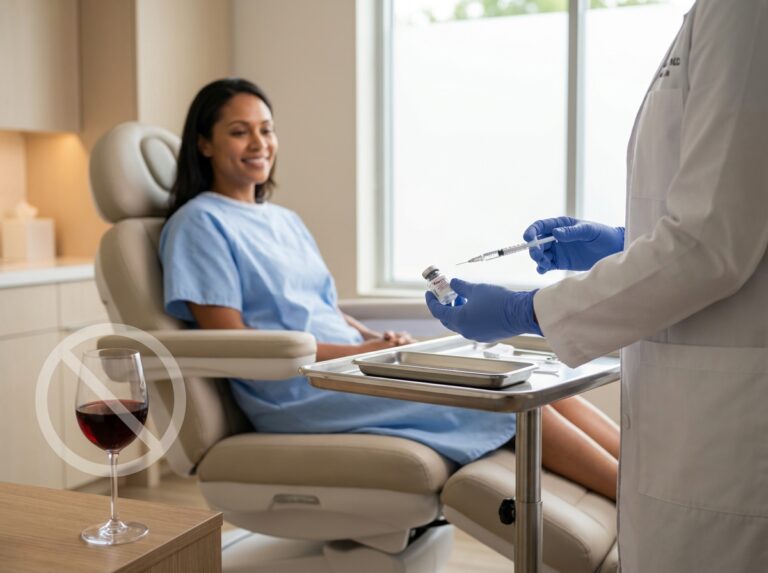
The four-hour rule is a standard instruction given in aesthetic clinics across the United States. It requires patients to remain upright and avoid reclining for at least four hours after receiving botulinum toxin injections. This timeframe is based on the biological behavior of the neurotoxin once it enters the body. When a practitioner injects Botox, the liquid sits in the targeted muscle tissue and does not bind to the nerve receptors immediately. This binding process takes time. During these initial hours, the toxin is in a mobile state and can move from the exact spot where it was placed to neighboring areas. This movement is known as local diffusion.
Gravity is a primary factor in how these liquids move within the face. When you stay upright, the toxin is more likely to stay within the boundaries of the muscle intended for treatment. If you lie down, the physical orientation of your face changes, which can cause the toxin to migrate toward unintended muscles. The anatomy of the face is complex, with many small muscles sitting very close to each other. For example, the muscles that create frown lines are situated just above the muscles that lift the eyelids. A small shift in the product can lead to significant changes in the final result. Lying flat also changes the pressure in the facial capillaries and alters the way fluid moves through the lymphatic system. Increased blood flow to the face while in a supine position might encourage the toxin to spread further than desired before it has a chance to fully lock into the target nerves.
Understanding the Risks of Migration
The most common risk associated with the failure to stay upright is eyelid ptosis, the medical term for a drooping upper eyelid. It occurs when the toxin migrates to the levator palpebrae superioris muscle, which is responsible for keeping the eye open. If this muscle becomes weakened, the eyelid may hang low and partially cover the pupil. Clinical studies suggest that ptosis occurs in about one to five percent of cases. While it is not permanent, it can last for several weeks or even months until the Botox wears off. Another risk is eyebrow droop, which happens when the toxin spreads into the lower part of the forehead muscle, making the face look heavy or tired. Asymmetry is another potential issue; if a patient lies on one side shortly after treatment, the toxin might settle unevenly, resulting in one side of the face appearing more frozen or lifted than the other.
The specific injection site influences the level of risk. The glabella (the area between the eyebrows) is a high-risk zone for eyelid droop. The periocular region, where crow’s feet are treated, is also sensitive. If the toxin moves too far inward from the crow’s feet, it can affect the muscles that control the smile or even the muscles that move the eyeball, potentially leading to double vision. The technique used by the injector plays a role as well. Practitioners must consider the dose and the dilution of the product. Botox is a powder mixed with saline; if a higher volume of saline is used, the resulting liquid is more diluted and has a higher potential to spread over a wider area. Experienced injectors use precise, low-volume techniques to keep the product localized.
Misconceptions and Modern Perspectives
There are common misconceptions about the necessity of this rule. Some patients believe a short nap is harmless if they feel fine immediately after the shots. This is a mistake because migration happens silently; you will not feel the toxin moving. By the time you notice a droop, the toxin has already bound to the nerve. Some people point to a lack of heavy clinical data to support a strict four-hour window. An article from Belle Clinic notes that some practitioners view the rule as a legacy guideline rather than a scientific absolute. However, most major medical institutions like the Mayo Clinic continue to advise staying upright for two to four hours. It is a matter of risk management. The benefit of lying down early is small, but the potential cost of a drooping eye is high.
There are special circumstances where the rule might be adjusted. Very low-dose injections or microdroplet techniques involve tiny amounts of toxin that are less likely to migrate. Some physicians might provide different instructions based on their specific technique or the patient’s anatomy. Always follow the specific advice of your own provider. If they tell you that you can lie down sooner, they are basing that on their clinical experience with your specific treatment. However, for the vast majority of standard Botox treatments in the United States, the four-hour rule remains the gold standard for safety.
Practical Advice for Patients
Staying upright for four hours is a simple step with an outsized benefit. You should plan your appointment time accordingly. If you enjoy an afternoon nap, schedule your Botox for the morning. Avoid activities that require you to bend over, such as yoga or heavy cleaning. If you need to pick something up, try to squat while keeping your head vertical. Keep your head in a neutral position to allow the toxin to settle exactly where it was intended.
Travel plans require specific attention. If you are flying immediately after your appointment, you must stay upright in your seat for the first four hours. Do not use a neck pillow that forces your head into an awkward angle, and avoid leaning your face against the window or the headrest. Once the four-hour mark passes, you can recline your seat. The changes in cabin pressure do not typically affect the toxin, but the physical position of your head is the most important factor to manage.
Practical Aftercare Steps and Recovery Timelines
The first few hours after you leave the clinic are the most important for your results. When you get Botox, the immediate goal is to keep the protein exactly where the injector placed it. This requires following the four-hour rule to prevent the liquid from migrating toward your eyelids or other unintended muscles. This means no naps, no yoga, and no bending over to scrub the floor.
The Botox Recovery Timeline
The recovery process for neurotoxins follows a predictable path. During the first four hours, your focus is purely on posture. Between 24 and 48 hours, you must avoid rubbing or massaging the treated areas. People often feel a slight itch or a sense of pressure and want to rub their forehead. You must resist this urge because physical pressure can push the toxin into the levator muscle. If the toxin reaches it, you might experience a heavy or drooping eyelid for several weeks. You should also avoid tight hats or headbands that sit across the forehead during this initial period.
You should skip the gym for at least 24 hours. Strenuous exercise increases heart rate and blood flow to the face. Higher circulation can potentially wash the product away from the injection site before it fully binds to the nerve. Sweat can also lead you to rub your face instinctively, which is a major risk for migration. For the same reason, avoid saunas, steam rooms, and hot tubs for one full day. Heat dilates blood vessels and can increase swelling. Alcohol should also be avoided for 24 hours as it thins the blood and makes bruising more likely.
Regarding sleep, you can go to bed once the four-hour window has ended. For the first night, many experts recommend sleeping on your back. This prevents your face from being pressed into a pillow, which could apply uneven pressure to the treated areas. By the second night, you can return to your preferred sleeping position.
You can expect to see the first signs of the treatment working in three to five days. The full effect usually takes about 14 days. If you feel you need a touch-up, wait until the two-week mark to ensure the initial dose has reached its peak. The results typically last between three and four months. Some people with very active metabolisms or high muscle mass may find the effects wear off sooner, while others might see results for up to six months.
Comparing Other Cosmetic Treatments
Aftercare for dermal fillers is different from Botox. While Botox requires you to stay upright, fillers require you to avoid any pressure on the area for one to two weeks. Fillers are pliable for the first few days. Sleeping on your side or wearing tight goggles can physically shift the product. You should also watch for signs of vascular occlusion, a rare but serious complication where filler blocks a blood vessel. If you see skin turning white, blue, or dusky, or if you feel intense pain that gets worse over time, contact your provider immediately.
Laser facials and chemical peels focus on skin barrier protection. After a laser session, sun avoidance is your top priority. Your skin will be red for one to three days depending on the intensity. You must use gentle cleansers and heavy moisturizers. Chemical peels have different healing stages based on depth. Light peels might only cause minor flaking for three days, while deep peels can lead to significant peeling and crusting for over a week. You should never pick at the peeling skin because this causes scarring.
If you are planning multiple treatments, timing is critical. You can often receive dermal fillers during the same appointment as your Botox. However, you should avoid facials, chemical peels, or microdermabrasion for at least 24 hours after Botox. These treatments involve massage and pressure that can interfere with how the toxin settles. If you have a facial scheduled, it is better to do it before your injections or wait a few days after.
Non-surgical body sculpting often involves different rules. Many patients need to wear compression garments for several days to manage swelling. You might need to modify your activity level for a week. Some providers suggest lymphatic massage starting a few days after the procedure to help the body process destroyed fat cells.
Practical Do’s and Don’ts
To get the best outcome, follow these specific guidelines during your recovery.
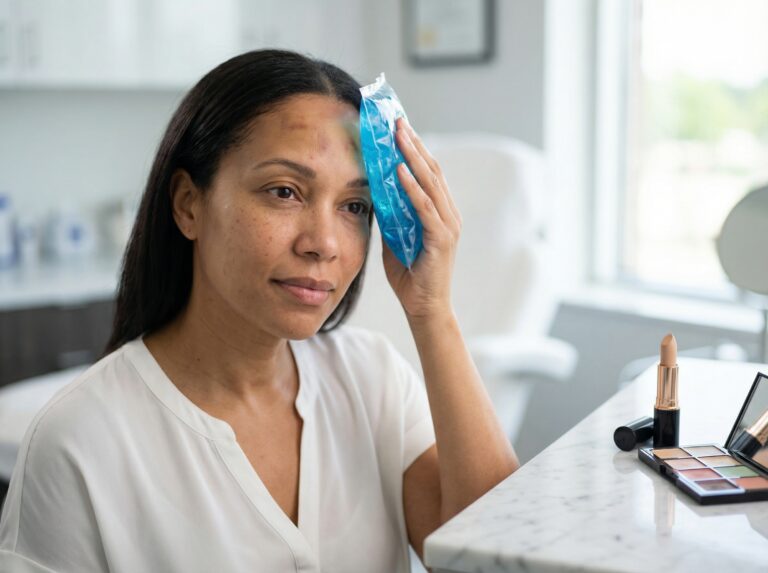
- Do use a cold compress immediately if you see a bruise forming. Apply it gently without pushing down on the injection sites.
- Do use a high SPF mineral sunscreen every day to protect treated skin.
- Do use arnica or topical vitamin K if your provider approves them to help with bruising.
- Do keep your skin hydrated with a fragrance-free moisturizer.
- Don’t schedule dental work for two weeks after getting fillers because the stretching of the mouth can displace the product.
- Don’t book a facial or a massage where your face is in a cradle for at least one week.
- Don’t sleep on your face. Try to sleep on your back with an extra pillow to keep your head elevated.
Medications and Safety Considerations
You should be aware of how medications affect your recovery. Anticoagulants and NSAIDs like ibuprofen, aspirin, or naproxen can increase the risk of bruising and swelling. Many herbal supplements like fish oil, ginkgo biloba, and vitamin E have similar effects. It is helpful to stop taking these blood-thinning substances for one week before your treatment to ensure a cleaner treatment with less downtime. However, you should talk to your doctor before you stop any prescribed medication. It is often better to have a small bruise than to skip a necessary heart medication.
Special populations need to take extra care. Botox and fillers are not recommended for patients who are pregnant or breastfeeding due to a lack of clinical data regarding safety for developing fetuses or infants. People with neuromuscular disorders like myasthenia gravis or Eaton-Lambert syndrome should avoid neurotoxins entirely. If you have a skin infection or an active breakout at the planned injection site, you must wait until the skin has healed.
When to Call Your Doctor
Most side effects are mild and temporary. However, you must know the red flags that require immediate medical attention. Severe pain that does not go away with over-the-counter meds is not normal. Sudden changes in your vision, such as double vision or blurring, or extreme swelling that makes it hard to see are emergencies. If you notice significant asymmetry or signs of infection like pus and heat, call the clinic. Difficulty breathing or swallowing is an extremely rare but serious complication that requires immediate medical attention.
If you experience migration or ptosis, do not panic. Eyelid drooping is usually temporary. Your provider can sometimes prescribe special eye drops that help lift the lid until the Botox wears off. Following the advice to stay upright for 4 hours is the best way to avoid these complications. It is a simple step that protects your investment and your appearance. For more details on the timing, you can read about how to stay upright for 4 hours to ensure the best results.
Sources
- How Long Not to Lay Down After Botox: Key Guidelines — After getting Botox, play it cool for the best results. Stay upright for 4 hours, skip intense workouts for a day, and don't rub your face.
- Debunking Lying Down After Botox Myth – Aspira Plastic Surgery — The myth suggests that lying down shortly after Botox injections can cause the product to migrate from the targeted area, potentially leading to unintended …
- Why You Should Stay Upright For 4 Hours After Botox — Contrary to popular belief, there is no scientific evidence to support the notion that you must remain upright for 4 hours following Botox injections.
- Botox injections – Mayo Clinic — Do not rub or massage the treated areas for 24 hours. And don't lie down for 2 to 4 hours after getting the shots. Following this advice …
- Why Make Patients Exercise Facial Muscles for 4… – Ovid — It has been long taught that after injection of botulinum toxin, patients should exercise the affected muscles for up to 4 hours to enhance cellular uptake.
- BOTOX® Aftercare FAQs | Post Botox Instructions — Light exercise after Botox can be performed after 4 hours but it is recommended that strenuous activities are avoided for 24 hours.
- How Long After Botox Can You Lay Down: The Truth About the 4 … — Brief accidental reclining is unlikely to cause significant problems. However, prolonged lying down during the first 4 hours could potentially cause the Botox …
- Lying Down After Botox: Myths and Facts About Neurotoxins — It's not a bad idea to avoid lying down for about 4 hours after getting Botox. However, if you accidentally slip up, there's no cause for concern.
- Questioning the Need to Use Botox Within 4 Hours of Reconstitution — There is growing scientific evidence that in fact the product can be stored for some time (frozen or refrigerated) and then used without adverse consequence.