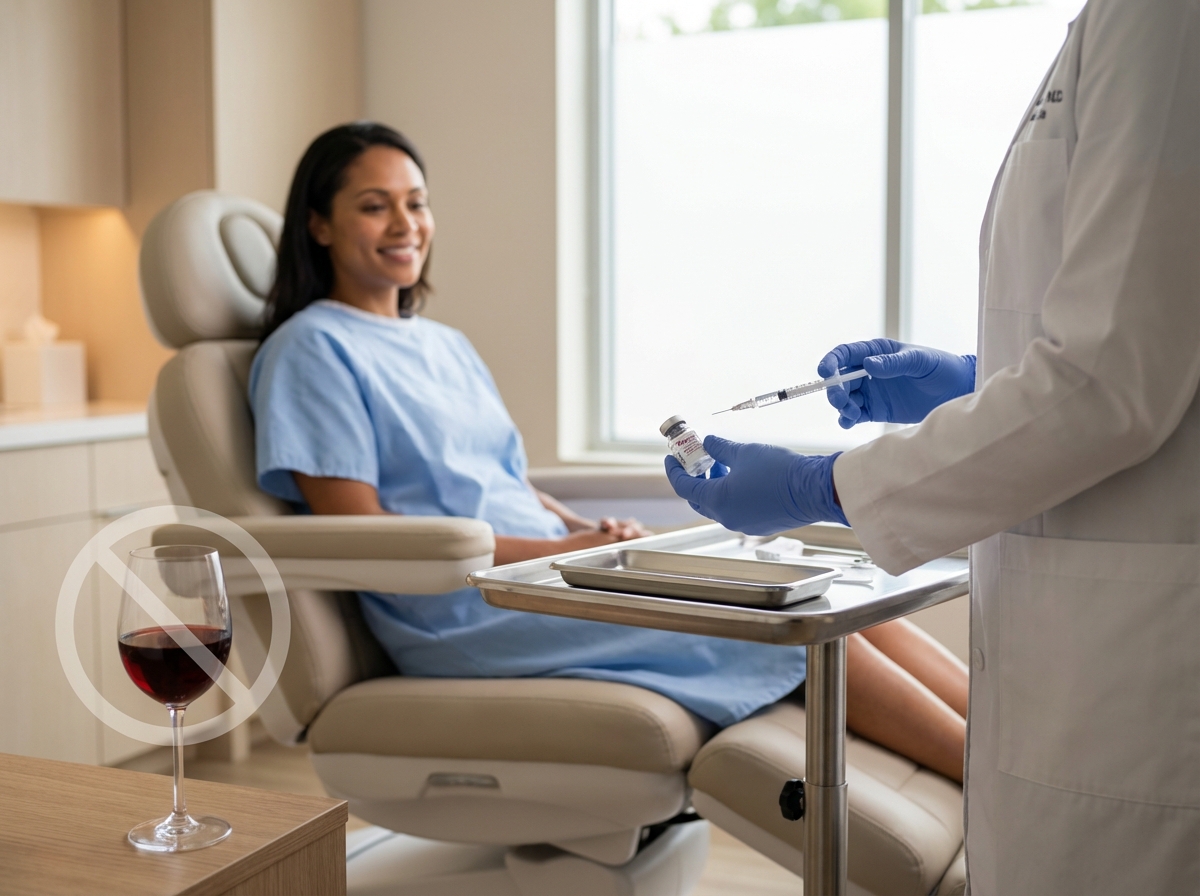
Alcohol—especially wine—can increase bleeding, swelling, and bruising after Botox injections. This article explains the physiological reasons to avoid drinking, summarizes current clinical guidance and timelines for safe drinking after treatment, and offers practical aftercare steps so you can protect your results and plan social events with confidence.
How alcohol affects Botox outcomes and healing
You’ve just had your Botox treatment, and you’re looking forward to seeing those smooth, refreshed results. Later tonight, you have plans for dinner, and a glass of wine sounds like the perfect way to relax. But then you remember your injector’s advice to avoid alcohol. Is it really that big of a deal? The short answer is yes, and skipping that drink is one of the simplest ways to protect your investment and ensure your Botox aftercare goes smoothly. The advice isn’t about being overly cautious; it’s rooted in how your body heals.
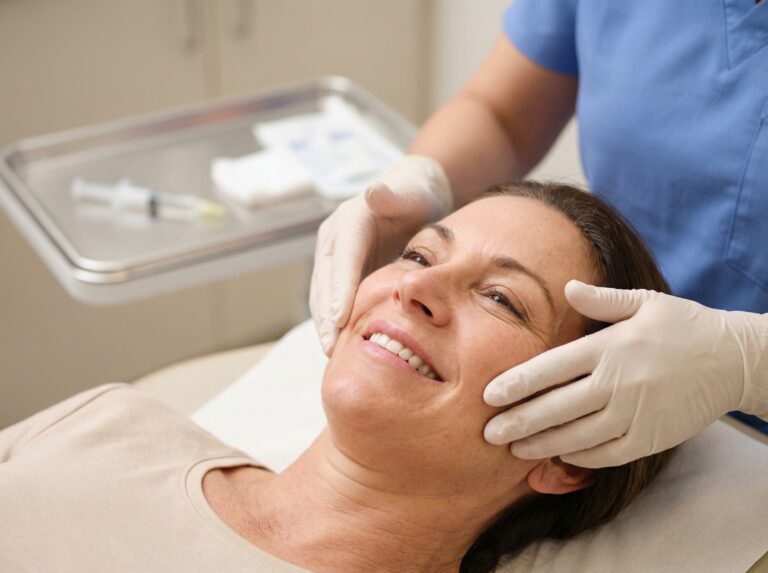
Let’s break down what actually happens when you drink alcohol around the time of your injections. The main ingredient we’re concerned with is ethanol, which is present in wine, beer, and spirits. Ethanol is a vasodilator. In simple terms, it causes your blood vessels to relax and widen. When this happens, more blood flows through them, especially the tiny, delicate capillaries just beneath your skin’s surface. During a Botox treatment, your provider uses a very fine needle to place the product precisely. Even with the most skilled technique, this needle can sometimes nick one of these tiny vessels. Normally, your body would quickly form a tiny clot to seal it off. But with alcohol in your system, the increased blood flow from those widened vessels means more blood can leak out before a clot forms. That leaked blood is what creates a bruise.
Alcohol also has a “blood-thinning” effect, though not in the same mechanism as prescription anticoagulants. It works by suppressing the function of platelets, which are the tiny cells in your blood responsible for clumping together to stop bleeding. Think of them as your body’s first responders to an injury. Alcohol makes these platelets less sticky and slower to react. So, not only is there more blood flowing near the injection site due to vasodilation, but your body’s ability to plug any potential leak is also impaired. This combination is the perfect recipe to minimize bruising after Botox, or rather, to fail at it.
This effect is magnified if you’re already taking other substances that thin your blood. Many people take daily aspirin, NSAIDs like ibuprofen, or supplements such as fish oil, vitamin E, and ginkgo biloba without thinking twice. When you add alcohol to the mix, you get a synergistic effect, meaning the combined impact is much greater than each one on its own. This is a critical reason why you should always be transparent with your provider about all medications and supplements you take.
A common question is whether having a drink will ruin the Botox itself. Will it make the product less effective or cause it to spread to other muscles? The evidence here is much less clear. Most of the guidance to avoid alcohol before injections and after is based on the very real and predictable risk of bruising and swelling, not on proven interference with the neuromodulator’s chemical action. While some theories suggest that significant inflammation from heavy drinking could potentially affect how the product settles, there are no definitive clinical studies showing that a single glass of wine negates your results. The primary goal of avoiding alcohol is to ensure your recovery is quick, comfortable, and free of noticeable side effects. A prominent bruise can last for a week or more, drawing unwanted attention and delaying your enjoyment of the final outcome.
So, what about that glass of wine specifically? Many people ask if wine after Botox is worse than other drinks. The truth is, the ethanol content is the main concern, making a glass of wine, a beer, or a cocktail functionally the same in terms of bruising risk. However, some people find that red wine, in particular, causes them to flush. This is often due to compounds like histamines, tannins, and sulfites, which can further dilate blood vessels in sensitive individuals. This extra redness can amplify the appearance of irritation at the injection sites.
Of course, the amount you drink matters. The effects of a single, moderate drink will be less pronounced than those from heavy consumption. However, for the best results, most clinicians and professional organizations recommend abstaining completely. For certain people, this advice is even more critical. If you have a condition affecting your liver (which processes both alcohol and the components of Botox), are pregnant, have an autoimmune disease, or are a frequent heavy drinker, your provider may give you more specific, conservative instructions to ensure your safety and results.
- Immediate Risks of Alcohol: The main reason to avoid alcohol is to prevent increased bruising and swelling at the injection sites, which can prolong your recovery time and make the treatment more obvious.
- Who Should Be Especially Cautious: If you naturally bruise easily or are taking any medications or supplements with blood-thinning properties (like aspirin, NSAIDs, fish oil, or vitamin E), avoiding alcohol is particularly important to prevent significant bruising.
Clinical guidance timing and step-by-step aftercare to protect results
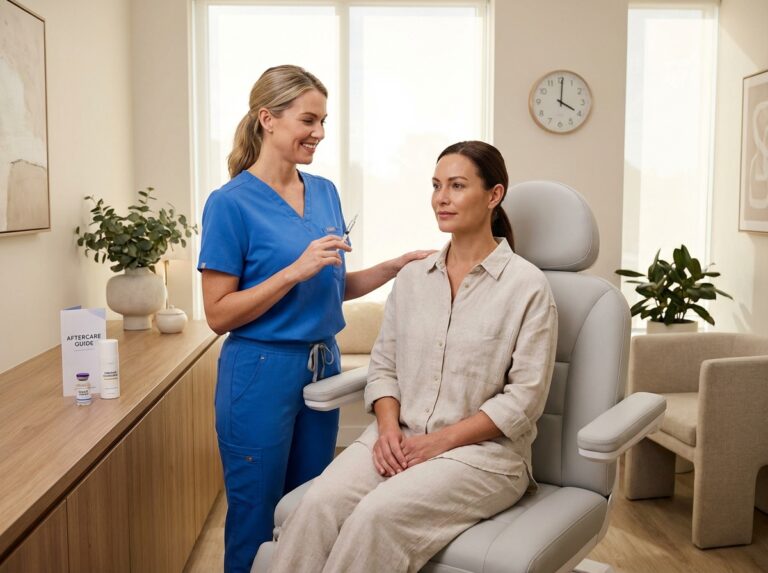
Navigating your Botox journey is about more than just the injection itself. The steps you take before and after your appointment are crucial for achieving smooth, beautiful results and minimizing unwanted side effects. Think of it as a partnership between you and your provider. Their skill gets the neuromodulator in the right place, and your aftercare ensures it settles in perfectly. This practical guide translates the science into a clear timeline and checklist to protect your investment.
The most conservative and widely accepted guidance is to avoid alcohol for at least 24 hours before and 24 to 48 hours after your injections. This isn’t an arbitrary rule. It’s based on alcohol’s well-known effects on your blood vessels and platelets. For individuals who bruise easily or are taking medications like aspirin or certain supplements, extending this window to 72 hours on both sides of the treatment is a smart, proactive measure. The goal is simple: keep the tiny blood vessels around the injection sites as calm and constricted as possible to prevent blood from leaking out and forming a bruise.
Your Pre-Treatment Checklist
Proper preparation begins the day before your appointment. Following these steps can significantly improve your Botox recovery timeline.
- Pause Alcohol: Stop all alcoholic beverages a full 24 hours before your scheduled time. Even one glass can thin the blood enough to increase bruising risk. This is your number one defense.
- Review Medications and Supplements: A week before your treatment, talk to your clinician about pausing non-essential blood-thinning agents. This includes NSAIDs (like ibuprofen and aspirin), fish oil (omega-3s), high-dose vitamin E, ginkgo biloba, garlic, ginseng, and St. John’s Wort. Never stop a prescribed medication without consulting your doctor.
- Inform Your Provider: Be transparent about your medical history. Let your injector know if you have a history of easy bruising, bleeding disorders, or if you’ve had a drink within the 24-hour window. If you accidentally consumed alcohol before your appointment, tell them immediately. Depending on the timing and amount, they may recommend rescheduling to avoid compromising your safety or results.
Immediate Post-Treatment Actions (First 4-6 Hours)
What you do in the hours immediately following your injections is critical for preventing the neuromodulator from migrating and for controlling initial swelling.
- Hands Off: Resist the urge to rub, massage, or apply pressure to the treated areas. This can cause the Botox to spread to unintended muscles. Maintain good hygiene and avoid touching the injection sites to reduce infection risk, as alcohol-induced inflammation can theoretically make the skin more susceptible to bacteria.
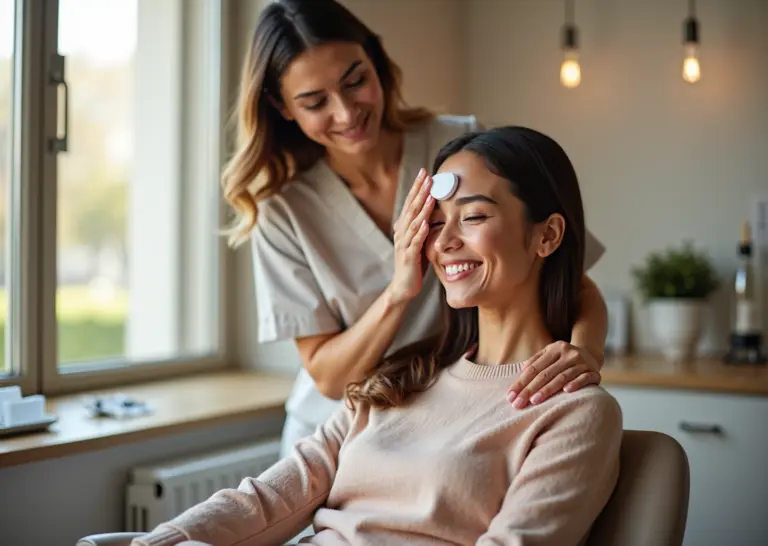
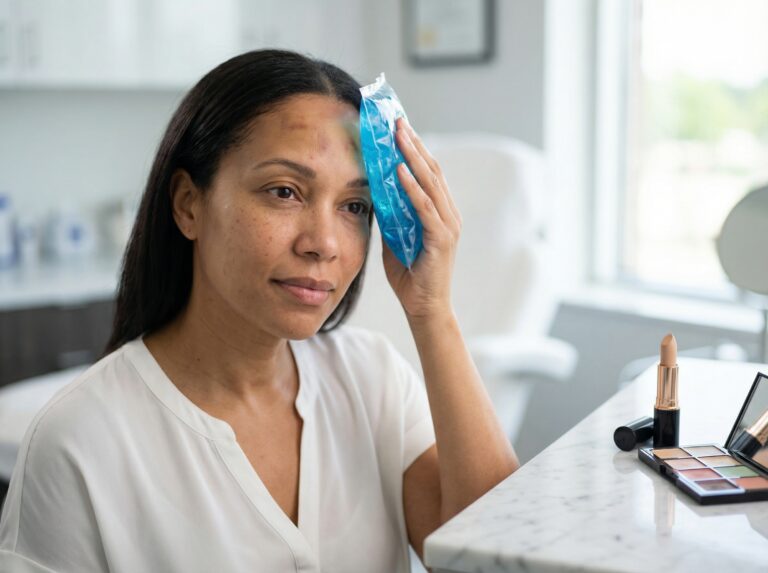
- Apply Cold Compresses: Gently apply a clean, light cold compress or ice pack wrapped in a thin cloth to the areas for 10-minute intervals. This helps constrict blood vessels and reduce swelling.
- Stay Upright: Keep your head elevated for at least four hours after treatment. Avoid lying down or bending over excessively. This uses gravity to your advantage, helping to keep the product where it was placed.
Precautions for the Next 48–72 Hours
This period is when your body is healing and the Botox is beginning to take effect. Protecting the area is key.
- Continue Alcohol Abstinence: Hold off on that glass of wine for another 24 to 72 hours. This continues to minimize the risk of bruising and swelling as the injection sites fully heal. If you are taking blood thinners or bruise easily, lean toward the 72-hour mark.
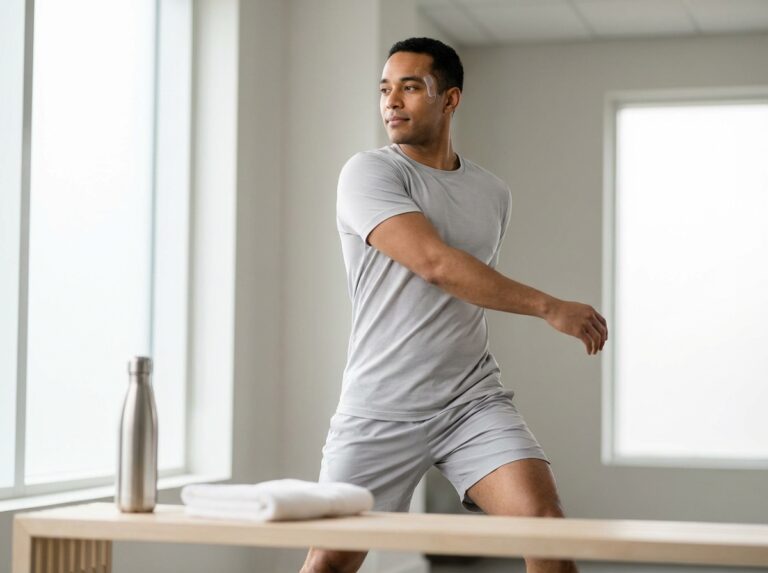
- Avoid Strenuous Activity: Skip intense workouts, heavy lifting, or any activity that significantly increases your heart rate and blood flow to the face for at least 48 hours.
- Steer Clear of Heat: Avoid saunas, steam rooms, hot tubs, and very hot showers. Excessive heat can increase blood flow and contribute to swelling.
When to Contact Your Clinician
While minor swelling and pinpoint bruising can be normal, certain signs warrant a call to your provider’s office. Reach out if you experience:
- Excessive or rapidly worsening swelling.
- Redness that spreads or feels hot to the touch.
- Severe or persistent pain.
- Any signs of infection, such as pus or fever.
Guidance for Combined Treatments
The advice to avoid alcohol after fillers, lasers, or peels is even more stringent. When Botox is combined with other procedures, the abstinence window often gets longer. Dermal fillers involve more product and potentially deeper injections, increasing the risk of significant bruising. Lasers and chemical peels create controlled inflammation to stimulate collagen, and alcohol can worsen this inflammatory response, prolonging redness and recovery. Always coordinate with your provider to create a unified aftercare plan if you are having multiple treatments. You may need to avoid alcohol for 72 hours or even up to a week.
Bruise Management and Seeing Your Final Results
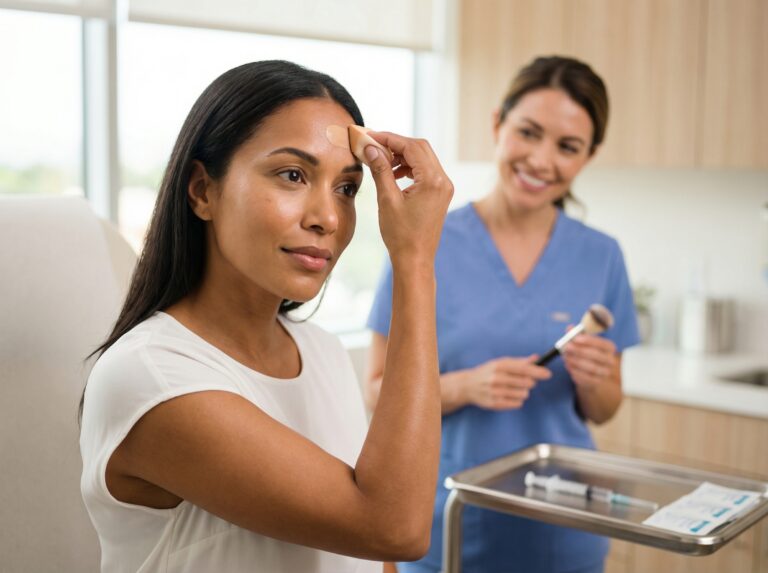
If a bruise does appear—perhaps because of an accidental drink or natural susceptibility—don’t panic. First, stop drinking any alcohol immediately to prevent worsening the issue. Manage the bruise by continuing to apply ice for the first 24 hours. Some people find topical or oral arnica helpful, though clinical evidence on its effectiveness is mixed. After 24 hours, you can safely apply camouflage makeup to conceal any discoloration. For a significant or persistent bruise, some clinics offer treatments like a pulsed dye laser to help break it down more quickly.
Remember, patience is part of the process. While you might start seeing changes in a few days, the full effect of your Botox will be visible in about 7 to 14 days. This is the point at which your provider will assess your results. Good Botox appointment planning involves scheduling your treatment at least two weeks before any major social events. This gives any potential bruising time to heal and allows the product to settle completely, ensuring you look your best. Discussing your social calendar and alcohol habits openly with your provider allows them to give you the most personalized and effective aftercare advice.
Conclusions and aftercare action plan
Navigating your Botox aftercare is simple, and making smart choices about alcohol is a huge part of ensuring beautiful, smooth results. Skipping that glass of wine helps your body heal cleanly. As we’ve discussed, alcohol thins the blood and opens up blood vessels, which is the perfect recipe for extra bruising and swelling right where you don’t want it. Sticking to a 24 to 72-hour alcohol-free window is your best bet for protecting your investment. Remember this timeline might be longer if you’re taking certain medications or had other treatments like fillers done at the same time.
To make it easy, here’s a quick action plan to help you minimize bruising after injections.
- Stop drinking alcohol at least 24 hours before your appointment.
- Pause any blood-thinning supplements like fish oil, Vitamin E, or ginkgo biloba as advised by your injector.
- Gently apply a cold compress to the area, but do not rub or massage it.
- Avoid intense exercise, saunas, and significant heat for 48 hours.
- Sleep with your head slightly elevated on the first night to reduce swelling.
- Keep an eye on the treated areas for any unusual changes.
- Contact your provider immediately if you have any concerns about your recovery.
A little planning goes a long way. Scheduling your social calendar around your treatment ensures you get the most from your results. Always chat with your injector for advice tailored just for you.
Sources
- Why No Alcohol After Botox – Site – Live Free Recovery Services — Drinking alcohol after Botox can increase bruising and swelling due to its blood-thinning effects. Learn why waiting 24-48 hours is advised.
- What Happens If You Drink Alcohol After Botox – OGOmed — Most specialists claim that alcoholic beverages can negatively affect Botox's results and patients' recovery.
- Can You Drink Alcohol After Botox? – SDBotox — The consensus among experts suggests that you should avoid alcohol at least 24 hours before and after Botox treatment.
- Botox and alcohol: Possible effects and tips for healthy skin — Anecdotal evidence suggests if people were to drink alcohol straight after Botox, it may affect the skin's recovery. The effect may vary for …
- Botox and Alcohol: What You Need to Know | O'Neill Plastic Surgery — Alcohol can cause inflammation in the body, which might interfere with the settling of the Botox and potentially affect your results. 4. Metabolism: Some …
- Can you drink alcohol after Botox? – The Harley Street Skin Clinic — The answer is NO; alcohol is a vasodilator – it stimulates the expansion of blood vessels and increases blood flow throughout the body, including the skin.
- Factors influencing short-term prognosis after botulinum toxin type A … — These findings supported our conclusion. Research has shown that drinking can exacerbate the severity of facial muscle spasms in HFS [32].
- Can You Drink After Botox? | John J.W. Lee, MD, FACS — Key Takeaways. Avoid alcohol for 24 hours before and after Botox. Alcohol raises bruising and swelling by increasing blood flow and dehydration.
- Can You Drink Alcohol After Botox? The Real Risks – Reframe App — Research also shows that alcohol can exacerbate the minor side effects of Botox, such as headaches, swelling, and redness.
“`html
Legal Disclaimers & Brand Notices
This content is for informational purposes only and does not constitute medical advice. The information provided is not intended to be a substitute for professional medical advice, diagnosis, or treatment. Always seek the advice of your physician or other qualified health provider with any questions you may have regarding a medical condition. Never disregard professional medical advice or delay in seeking it because of something you have read in this article.
All product names, logos, and brands are property of their respective owners. Botox® is a registered trademark of Allergan, Inc. The use of this name does not imply any affiliation with or endorsement by the trademark holder.
“`