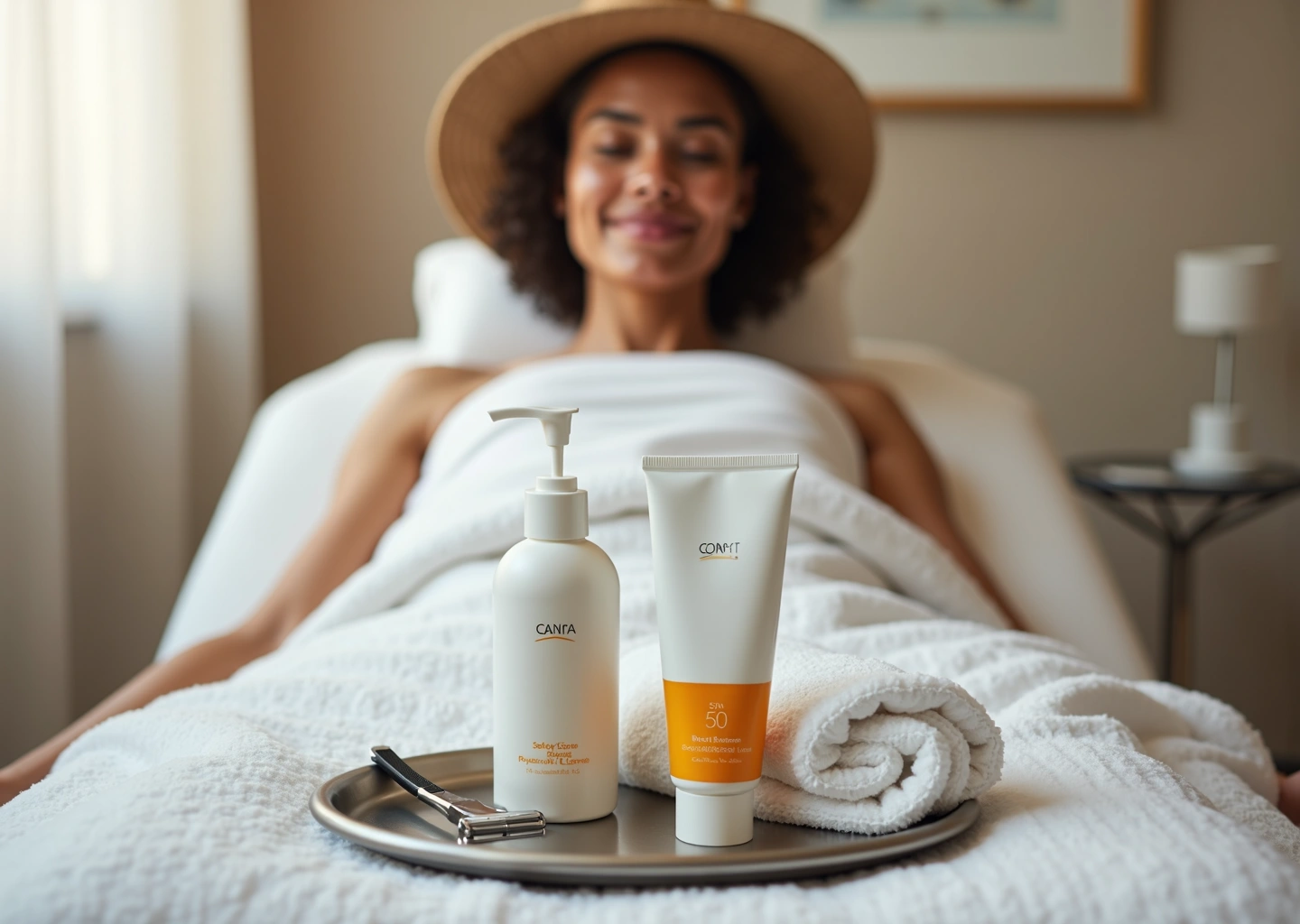
Laser hair removal is common, but proper aftercare — especially shaving, scrubbing, and sun protection — determines safety and results. This article explains how laser affects skin, exact timing for shaving, when to resume exfoliation, and how to prevent pigment changes with sun protection. Expect practical timelines, product guidance, and tips for different skin types to maximize outcomes and reduce complications.
How laser treatment interacts with skin and what to expect after a session
To understand how to care for your skin after a session, you first need to understand exactly what just happened to it. Laser hair removal is a controlled injury. We are intentionally damaging a specific part of your body—the hair follicle—while trying to keep the surrounding tissue perfectly intact. The aftercare rules regarding shaving, scrubbing, and sun exposure exist because of how your skin reacts to this thermal event.
The Mechanism: Heat, Melanin, and Wavelengths
The fundamental principle here is selective photothermolysis. The laser emits a specific wavelength of light that seeks out a chromophore, which in this case is melanin, the pigment in your hair. The hair shaft acts like a copper wire. It absorbs the light energy, converts it into intense heat, and conducts that heat down into the follicle. The goal is to raise the temperature of the follicle enough to destroy the stem cells responsible for regeneration without burning the surface of your skin.
Your skin tone and hair color dictate which wavelength your provider uses. This choice is critical for safety and directly influences your recovery.
- Alexandrite (755 nm): This wavelength has a high absorption rate for melanin. It is incredibly effective for lighter skin tones (Fitzpatrick types I-III) with dark hair. Because it loves pigment so much, it is dangerous for darker skin or tanned skin, as the laser cannot distinguish well between the hair and the epidermis.
- Diode (810 nm): This is the workhorse of the industry in 2025. It penetrates deeper than the Alexandrite and bypasses some surface pigmentation. It is generally safe for a wider range of skin tones, from fair to medium-dark (Fitzpatrick I-IV), and is often used in “in-motion” modes that heat the skin gradually.
- Nd:YAG (1064 nm): This wavelength has the lowest melanin absorption. It bypasses the surface pigment entirely to target the vascular supply and the deep follicle. This is the gold standard for darker skin tones (Fitzpatrick V-VI) because it significantly reduces the risk of surface burns or pigmentation changes.
Immediate and Short-Term Skin Responses
You should leave the clinic looking like you had a treatment. A complete lack of reaction often means the settings were too low to be effective. However, there is a fine line between a clinical endpoint and an adverse reaction.
The First 24 Hours: Erythema and Edema
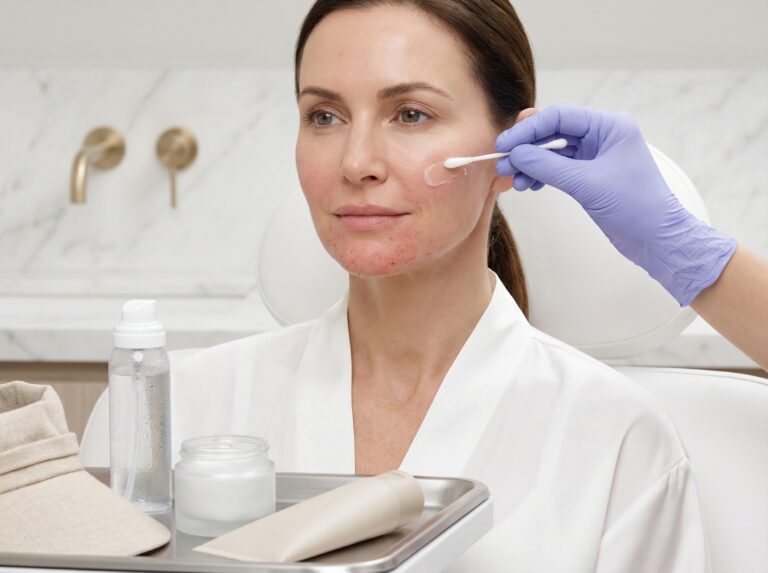
Almost immediately after the pulses are fired, you will likely see erythema (redness) and perifollicular edema. This looks like tiny, swollen bumps around each hair follicle, often resembling goosebumps or mild hives. This is a positive clinical sign. It means the heat successfully damaged the follicle and the body is mounting a mild inflammatory response to heal it. The redness typically subsides within a few hours, but the bumpy texture can last up to 72 hours.
The First Week: Crusting and “Peppering”
For thick or coarse hair, you might see follicular crusting or pinpoint bleeding. This is not a scar. It is coagulated protein from the destroyed follicle pushing its way out. These tiny scabs usually resolve within 7 to 14 days. You might also notice “peppering,” which looks like black dots on the skin. This is the burnt hair remaining in the follicle. It will eventually shed, but it can look like stubble that refuses to grow for a week or two.
Risk Factors That Amplify Reactions
Certain variables can turn a normal recovery into a complication. The most significant variable is the contrast between your hair and your skin.
Sun Exposure and Tanning
If you have an active tan, your skin has more melanin at the surface. The laser energy, which is meant to go down the hair shaft, gets distracted and absorbed by the skin surface instead. This causes burns, blisters, and potential hypopigmentation (white spots) or hyperpigmentation (dark spots). This applies to self-tanners as well. The chemical reaction from fake tan creates a target for the laser on the surface of the skin.
Medications and Health History
Your intake forms are not just paperwork. Photosensitizing medications make your skin hypersensitive to light. Common antibiotics like doxycycline, tetracycline, or fluoroquinolones can lower your burn threshold significantly; you should generally finish your course and wait 7 to 10 days before treatment. Topical retinoids and ingredients like retinol thin the stratum corneum, making the skin more fragile and prone to lifting or abrasion during the treatment. Isotretinoin (Accutane) is a major contraindication that typically requires a waiting period of six months or more due to compromised wound healing.
Abnormal Signs
While redness is normal, other symptoms require immediate attention. If you experience spreading blisters, severe pain that does not subside with cooling, or any signs of infection like pus or yellow crusting, you need to contact your provider. A histamine reaction that causes severe itching is common but manageable with antihistamines; however, it should be monitored to ensure it does not mask an infection.
Evidence-Based Safety Protocols
Current client data from 2025 shows satisfaction rates exceeding 90% for properly performed laser hair removal, but that success relies heavily on adherence to safety protocols. Regulatory guidelines and dermatologic standards emphasize the necessity of patch testing, especially for darker skin tones or when changing settings.
A test spot is a small area treated with the proposed settings to observe the tissue interaction. Experienced providers will wait several minutes to 48 hours, depending on the skin type, to see if a delayed reaction occurs. This is the only way to truly gauge how your specific physiology handles the heat.
Why Aftercare Focuses on Shaving, Scrubbing, and Sun
Understanding this mechanism clarifies why the next steps in your routine are non-negotiable. Your skin barrier is temporarily compromised. The follicles are open wounds on a microscopic level.
We focus on shaving timing because shaving too soon over irritated follicles causes mechanical damage and introduces bacteria. We restrict scrubbing because exfoliating skin that is already trying to heal from thermal injury leads to raw, sensitive patches. We obsess over sun protection because UV radiation on inflamed skin is the fastest way to trigger permanent pigment damage. The following chapter details exactly how to manage your shaving routine to support this healing process rather than disrupt it.
Best practices for shaving before and after laser treatments
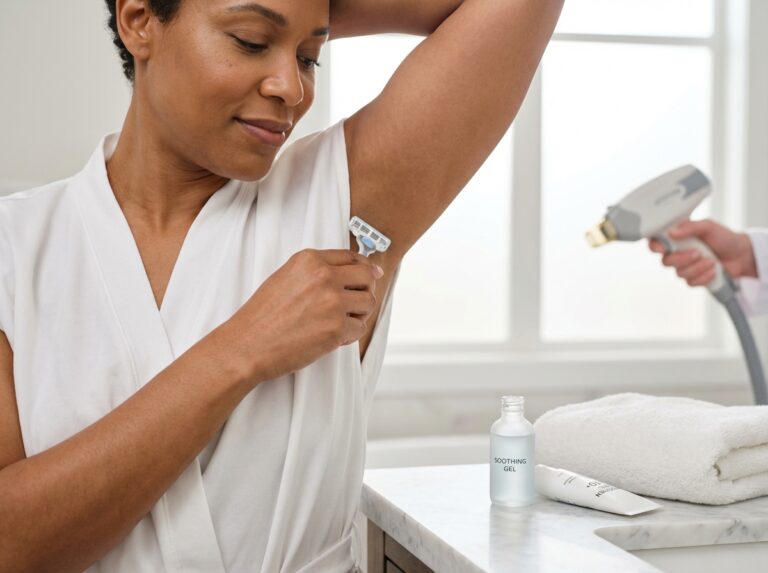
Shaving is the only method of hair removal you should use during your laser treatment course. It seems counterintuitive to shave when you are paying for hair removal, but the laser needs a specific target to work effectively. The beam targets the pigment in the hair follicle beneath the skin surface. If the hair is too long, the energy dissipates on the surface and burns the skin. If the hair is missing because you plucked it, the laser has nothing to hit.
Getting the timing and technique right prevents burns and ensures the energy actually destroys the root. Most adverse reactions I see in 2025 are not from the laser itself but from improper preparation or aggressive aftercare at home.
Pre-Treatment Shaving Protocols
You need to shave the treatment area 24 to 48 hours before your appointment. The goal is to have the hair shaft visible to the laser but not long enough to lay flat on the skin. If you shave immediately before your appointment, you risk stripping the top layer of skin. This leaves the area raw and more susceptible to stinging during the laser pulses.
Shaving the night before is usually the sweet spot. It allows the skin barrier to recover slightly while keeping the hair short enough for safety. If your hair grows very fast, the morning of the appointment is acceptable, but you must be incredibly gentle.
Use a clean razor. A dull blade requires more pressure and causes micro-abrasions. These tiny scrapes might not hurt now, but they will sting significantly when the laser heat hits them. For most body areas, a fresh multi-blade razor works well. If you are prone to razor bumps, a single-blade safety razor causes less friction.
You must stop all other forms of hair removal. Waxing, plucking, threading, and depilatory creams remove the hair from the root. The laser needs that root to travel down and destroy the follicle. If you have waxed recently, you generally need to wait 4 to 6 weeks for the follicle to regenerate before you can have a laser session.
Why Hair Length Matters
The physics here is simple. The laser energy is absorbed by melanin. If you have a millimeter of hair sticking out above the skin, that hair absorbs the heat first. This creates a hot spot on the surface of your skin which can lead to burns or blisters. It also wastes energy that should have gone to the follicle.
Conversely, the hair cannot be too short if the laser system relies on a visual guide, though most modern systems in 2025 scan the area regardless of visual stubble. The priority is always skin safety. A close shave minimizes surface heat and maximizes energy delivery to the root.
Post-Treatment Shaving Guidelines
After your session, your skin will likely feel like it has a mild sunburn. You should not shave immediately. The follicles are swollen and the skin is sensitive. Dragging a razor over this area causes mechanical irritation that can lead to infection or prolonged redness.
Wait until the skin is no longer red or sensitive to the touch. This typically takes 24 to 48 hours. However, if you had a particularly aggressive session, have sensitive skin, or notice prolonged redness, you should wait 3 to 4 days. Do not dry shave. Use lukewarm water and a fragrance-free shaving cream or gel. The heat from hot water can reactivate the inflammation in the treated follicles.
Avoid electric trimmers if the metal head gets hot. The friction and heat can damage the compromised skin barrier. If you must trim, ensure the device stays cool and does not press hard against the skin.
Special Considerations for Face and Sensitive Areas
Facial skin requires a different approach. The hair here is often finer and the skin is thinner. Hormonal areas like the chin or upper lip can be stubborn. You might feel the urge to shave daily, but try to space it out if the skin feels tender. For the face, dermaplaning tools can be effective if used lightly, but avoid them if you have active acne or open lesions from the laser treatment.
Darker skin tones (Fitzpatrick IV-VI) require extra caution. The risk of pseudofolliculitis barbae or “razor bumps” is higher. Shaving too close after laser treatment can cause the hair to curl back into the swollen skin. In these cases, it is often better to wait 72 hours before shaving again to let the inflammation subside completely. Experienced providers often advise patients with darker skin to use a single-blade razor to minimize trauma.
Pre-Treatment Shaving Checklist
- Stop using retinoids or alpha-hydroxy acids on the area 3 to 5 days before shaving.
- Exfoliate gently 3 days before the appointment to release trapped hairs.
- Shave 24 hours prior to your appointment time.
- Use a fresh blade and fragrance-free shaving gel.
- Rinse thoroughly to remove all soap residue.
- Apply a light, fragrance-free moisturizer if your skin feels dry, but do not apply heavy oils on the day of treatment.
Post-Treatment Shaving Checklist
- Wait at least 24 to 48 hours, or until all redness fades (up to 4 days for sensitive skin).
- Touch the skin to check for heat or tenderness before applying a razor.
- Use cool or lukewarm water rather than hot water.
- Apply a thick layer of lubricating gel to reduce friction.
- Use light pressure and fewer strokes.
- Pat dry gently. Do not rub.
- Apply a soothing product like aloe vera or a barrier repair cream.
Troubleshooting Common Issues
Razor Burn: If you get razor burn before your appointment, reschedule. Lasering over razor burn is painful and dangerous. If it happens after treatment, apply hydrocortisone cream and avoid shaving that area for a few days.
Ingrown Hairs vs. Shedding: About 1 to 2 weeks after treatment, you will see what looks like stubble or blackheads. This is often the dead hair shedding from the follicle. It is not new growth. Do not dig at these spots. Gentle cleansing will help them fall out naturally. If you pick at them, you risk scarring.
Itching: Itching is a common histamine response. Do not scratch with your fingernails or a razor. Taking an oral antihistamine can help reduce the urge to scratch which prevents mechanical damage to the skin.
Product Selection
The products you use around your shaving routine matter. Avoid products with alcohol, heavy fragrances, or menthol immediately before and after laser sessions. These ingredients can sting and dry out the skin. Look for ingredients like glycerin, ceramides, and hyaluronic acid in your shaving creams and post-shave balms. These support the skin barrier without trapping heat.
You should also pause the use of active skincare ingredients like glycolic acid, salicylic acid, and tretinoin in the shaving area. These thin the outer layer of skin and increase sensitivity. Resume them only after your skin has fully recovered from the laser session, which usually takes about a week.
Proper shaving habits set the stage for safe results. Once the skin has calmed down and the initial shedding phase begins, you will need to address how to maintain the skin texture through exfoliation and sun protection.
Guidance on scrubbing, sun protection, and product use
Once the laser pulses stop and you leave the clinic, your skin enters a recovery mode that is just as critical as the treatment itself. While we discussed shaving in the previous section, how you handle exfoliation, sun exposure, and cosmetics in the days following your appointment dictates whether you get smooth results or unnecessary irritation. The heat from the laser remains in the follicular unit for some time, and the skin barrier is temporarily compromised. Treating this area like normal, intact skin is a mistake.
Timeline for Mechanical Exfoliation
The urge to scrub is common. About a week after treatment, the destroyed hair follicles begin to push out the dead hair shafts. This process, often called “shedding” or “peppering,” looks like blackheads or stubble. You will want to scrub them away. You must wait.
Mechanical exfoliation involves physical friction. This includes washcloths, loofahs, body brushes, granular sugar or salt scrubs, and even rough towel drying. Your skin needs a strict break from friction for a minimum of 72 hours post-treatment. For many patients, especially those with sensitive skin or who treated delicate areas like the bikini line or face, the safe window is closer to 7 days.
The rationale is biological. The laser creates perifollicular edema (swelling around the follicle) and erythema (redness). This is a controlled injury. Scrubbing inflamed tissue disrupts the healing process and can introduce bacteria into the open follicles, leading to folliculitis. Aggressive friction on heated skin also triggers melanocytes, increasing the risk of Post-Inflammatory Hyperpigmentation (PIH), particularly in darker skin tones. You should only resume gentle mechanical scrubbing once all redness, sensitivity, and any minor crusting have completely resolved.
Chemical Exfoliants: Acids and Retinoids
Chemical exfoliants require even more caution than physical scrubs. Products containing Alpha Hydroxy Acids (AHAs like glycolic or lactic acid), Beta Hydroxy Acids (BHAs like salicylic acid), and retinoids (retinol, tretinoin, adapalene) work by increasing cell turnover or dissolving the bonds between skin cells.
Laser treatments already provide a degree of exfoliation by vaporizing surface debris and removing a thin layer of the stratum corneum. Adding chemical exfoliants on top of this creates a “double exfoliation” effect that strips the moisture barrier. This leads to raw, sensitized skin that is prone to burns.
Follow these general waiting periods:
- Mild Settings/Lighter Skin: Pause active ingredients for 3 to 5 days. If the skin feels normal and shows no redness, you can reintroduce mild acids.
- Aggressive Settings/Darker Skin: Wait 7 to 14 days. Treatments using Nd:YAG lasers or high fluences on thick hair generate significant deep heat. The skin needs full re-epithelialization before tolerating acids.
- Prescription Topicals: If you use prescription-strength retinoids or acne medication, coordinate with your provider. Usually, you stop these 3 to 5 days before and wait 5 to 7 days after, but this varies based on the specific medication and laser intensity.
Sun Protection and SPF Selection
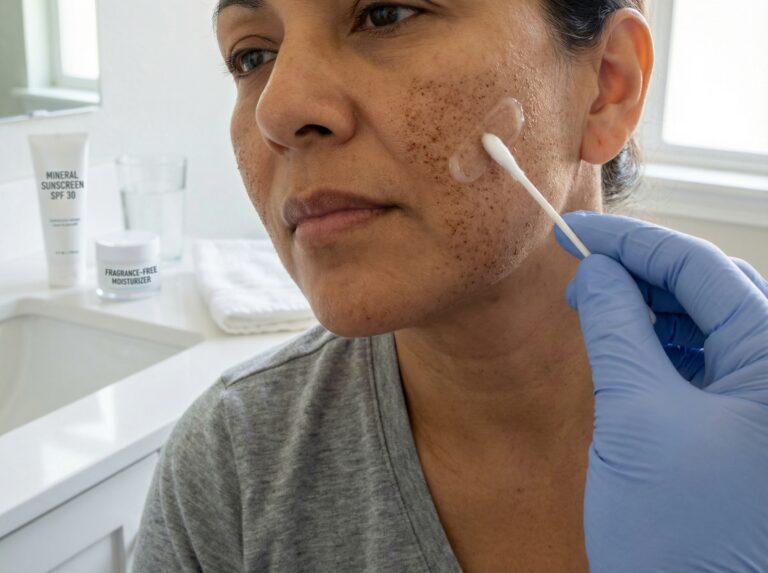
Sun exposure is the single biggest risk factor for adverse reactions like hypopigmentation (white spots) or hyperpigmentation (dark spots). Laser energy targets pigment. If you have an active tan, the laser cannot distinguish between the hair follicle and your skin, leading to surface burns. Strictly avoid direct sun exposure for at least 2 weeks before your appointment and 4 to 6 weeks after. Tanning beds are absolutely forbidden during the entire course of your treatment plan.
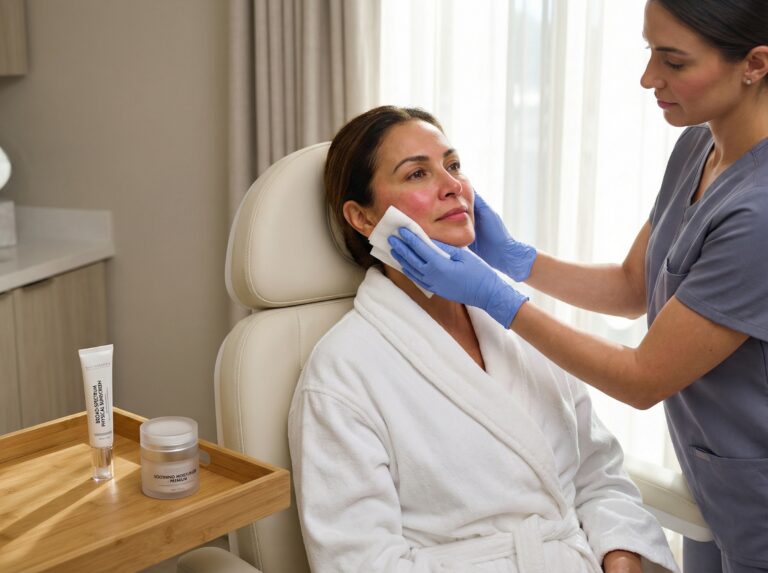
Mineral vs. Chemical Sunscreens: The type of sunscreen matters. Chemical sunscreens work by absorbing UV rays and converting them into heat. Since your skin is already holding heat from the laser, adding more thermal energy can cause irritation or stinging. Physical (mineral) sunscreens containing zinc oxide or titanium dioxide are superior for aftercare because they sit on top of the skin and reflect UV rays without generating heat.
You need a broad-spectrum SPF of 30 or higher. Apply it daily to any treated area exposed to light, even on cloudy days or when driving. If you are outdoors, reapplication is non-negotiable every 90 minutes to 2 hours. Sweat and friction from clothing rub sunscreen off faster than you think.
Cosmetics and Deodorants
Your follicles are essentially open wounds immediately after the laser pulse. Applying makeup, deodorant, or perfumed lotions right away can cause occlusion (clogging) and contact dermatitis. Deodorants, especially antiperspirants with aluminum, can be very irritating to the sensitive underarm skin post-laser.
Wait at least 24 hours before applying makeup to the face or deodorant to the underarms. If you absolutely must wear makeup for work, use strictly mineral-based powder formulas, as they are less likely to harbor bacteria or clog pores compared to liquid foundations. For underarms, simply wash with soap and water if you feel unhygienic, but skip the stick.
Gentle Cleansing and Moisturizing Routine
For the first 48 to 72 hours, your skincare routine should focus solely on soothing and barrier repair. The goal is to keep the heat out and the moisture in.
Switch to a mild, sulfate-free cleanser. Sulfates create foam but strip natural oils, which your skin desperately needs right now. Wash with lukewarm or cool water. Hot water causes vasodilation (widening of blood vessels), which can reactivate the heat sensation in the treated area and prolong redness.
After cleansing, pat the skin dry—do not rub. Apply a fragrance-free moisturizer while the skin is still damp. Look for ingredients that repair the barrier, such as ceramides, hyaluronic acid, or lipids. Plain aloe vera gel (kept in the fridge) is excellent for immediate heat relief, but it is not a sufficient moisturizer on its own. Layer a cream over it if your skin feels tight.
Avoid heavy occlusives like pure petroleum jelly on the face unless there is specific crusting, as it can trap heat. However, for body areas, heavier creams are generally safe once the skin has cooled down.
Professional Exfoliation and Procedures
Patients often try to stack treatments, scheduling a laser facial one week and a chemical peel the next. This is risky. Professional exfoliation methods like microdermabrasion, chemical peels, or dermaplaning remove protective skin layers. Laser Hair Removal in 2025: What You Need to Know indicates that satisfaction rates are highest when skin integrity is maintained between sessions. To ensure safety, space these treatments at least two weeks apart from your laser hair removal session.
If you are undergoing a series of laser treatments, it is often best to pause other aggressive professional facials entirely or schedule them strictly at the midpoint between your laser sessions. This prevents cumulative irritation that could force you to lower the laser settings at your next appointment, reducing efficacy.
Managing Friction and Sweat
High-friction areas like the groin (Brazilian/Bikini), underarms, and inner thighs face unique challenges. These areas are prone to occlusion and sweating, which creates a breeding ground for bacteria.
For the first 48 hours, avoid tight clothing. Leggings, skinny jeans, or tight synthetic underwear cause friction against the treated follicles. This rubbing can physically abrade the swollen follicles, leading to irritation or blistering. Wear loose cotton clothing that allows the skin to breathe.
Sweat is another irritant. It contains salts and bacteria that sting sensitized skin. Avoid heavy exercise, saunas, and hot yoga for 24 to 48 hours. If you treat the underarms, skip deodorant for 24 hours if possible, or switch to a gentle, aluminum-free version. If you must exercise, shower immediately afterward with cool water to remove perspiration.
Troubleshooting Common Issues
Even with perfect care, minor side effects can occur. Here is how to handle them safely at home.
Mild Crusting or Scabbing: This can happen if the laser target was particularly dense or coarse. Do not pick the scabs. Picking leads to scarring and pigment loss. Keep the area moist with a thin layer of antibiotic ointment or a healing balm (like Aquaphor) until the crust falls off naturally.
Follicular Scaling/Dryness: You might see dry rings around the follicles. This is normal dead skin. Do not scrub it off. Increase your moisturizing frequency to twice or three times a day. It will resolve as the skin heals.
Post-Treatment Ingrown Hairs: As the hair sheds, a dead hair can sometimes get trapped under the skin surface, mimicking an ingrown. Unlike a growing hair, this hair is detached. Do not dig for it with tweezers. Apply a warm compress for 10 minutes to soften the skin. Once the 7-day waiting period has passed, gentle exfoliation with a washcloth usually frees the trapped hair. If an area becomes red, hot, and painful, it may be infected; in this case, contact your clinic immediately rather than treating it at home.
Key takeaways and recovery timeline
The success of your laser hair removal treatments relies heavily on what happens outside the clinic. Adherence to a strict aftercare regimen determines whether you achieve permanent reduction or experience adverse effects like hyperpigmentation. This final section consolidates the critical timelines and provides a structured plan to guide you through the week following your session.
Critical Timelines for Shaving, Scrubbing, and Sun Exposure
You must adhere to precise windows of time to protect the skin barrier. The thermal injury caused by the laser renders the skin vulnerable to mechanical and environmental stress. Deviating from these timelines increases the risk of infection and permanent scarring.
- Shaving Protocols
Shave the treatment area 24 to 48 hours before your appointment. This ensures the laser targets the follicle beneath the skin rather than surface hair. Do not shave immediately after treatment. Wait at least 72 hours or until all redness and sensitivity have completely subsided. Shaving too soon exfoliates an already compromised skin barrier and leads to severe irritation. - Exfoliation and Scrubbing
Avoid all forms of physical and chemical exfoliation for 72 hours to 7 days post-treatment. This includes loofahs, sugar scrubs, retinoids, and alpha-hydroxy acids. The skin needs this time to repair the stratum corneum. Reintroducing abrasives too early disrupts the healing process and can cause post-inflammatory hyperpigmentation. - Sun Exposure and Tanning
Strict sun avoidance is mandatory for 4 to 6 weeks after your session. UV radiation stimulates melanocytes. This activity competes with the laser target in future sessions and compromises skin healing from the previous one. Apply a broad-spectrum mineral sunscreen with SPF 30 or higher daily. Reapply every two hours if you are outdoors. Cover treated areas with clothing whenever possible.
Identifying Red Flags and When to Contact Your Provider
Most side effects are mild and transient. Perifollicular edema, which looks like small red bumps around the hair follicle, is a normal response and typically resolves within 24 hours. You need to distinguish between expected recovery signs and symptoms of complications.
Contact your clinic immediately if you observe blistering or crusting. These are signs of a superficial burn and require medical management to prevent scarring. Severe pain that does not improve with cooling or over-the-counter pain relief is not normal.
Watch for spreading redness or heat that extends beyond the treated area. This often indicates an infection. Fever or chills accompanying skin redness warrant urgent medical attention.
Patients with a history of cold sores should monitor the treated area closely. Laser heat can reactivate the herpes simplex virus. If you feel a tingling sensation or see a breakout, call your provider for antiviral medication instructions.
A 7-Day Post-Treatment Care Plan
This schedule helps you manage the recovery phase systematically. It focuses on cooling, hydration, and protection.
Day 1: Immediate Cooling and Protection
Focus on reducing thermal retention in the skin. Apply a cold compress or ice pack wrapped in a clean cloth for 10 minutes every hour if the area feels hot. Use a soothing gel containing aloe vera or centella asiatica. Avoid hot showers, saunas, and intense exercise. Wear loose cotton clothing to prevent friction.
Day 2: Hydration and Monitoring
The skin may feel dry or itchy as the inflammation subsides. Apply a fragrance-free, non-comedogenic moisturizer twice a day. Avoid heavy occlusives like petroleum jelly unless directed by your doctor, as these can trap heat. Continue to avoid hot water and harsh soaps.
Day 3: Gentle Cleansing
You can resume using your regular gentle cleanser. Ensure the water is lukewarm. Pat the skin dry instead of rubbing. If redness persists, continue using aloe gel and avoid makeup on treated facial areas.
Day 4: Sun Vigilance
Sensitivity to UV light remains high. Ensure you are applying sunscreen generously to any exposed treated areas. If you work near a window, apply SPF even if you are indoors.
Day 5: Managing Shedding
You might notice hair appearing to grow. This is actually the shedding phase where the treated hair is pushed out of the follicle. Do not pluck, wax, or tweeze these hairs. You can gently wash the area with a washcloth, but do not scrub.
Day 6: Assessing Skin Barrier
Check the texture of your skin. If it feels smooth and shows no signs of irritation, you can return to your normal moisturizer. If it still feels sensitive, stick to the post-procedure products.
Day 7: Reintroduction of Exfoliation
If the skin is fully healed, you can gently exfoliate to aid the shedding process. Use a mild scrub or a washcloth. Do not use chemical peels or high-strength retinoids yet. Wait another week before reintroducing strong actives.
Maintaining Results Between Sessions
Consistency between appointments ensures the laser remains effective. The growth cycles of hair are asynchronous. Only follicles in the anagen (growth) phase are destroyed during a session. Missing an appointment or spacing them too far apart allows follicles to regenerate.
Adhere to the schedule provided by your clinician. Facial treatments usually occur every 4 to 6 weeks. Body treatments are spaced 6 to 8 weeks apart. Legs and back have the slowest growth cycles, often requiring 8 to 10 weeks between sessions. As you progress through your treatment plan, the hair will grow back slower and thinner, meaning your provider might extend the intervals further.
Do not use waxing, plucking, or depilatory creams between sessions. These methods remove the hair root. The laser needs the root to be present to work. Shaving is the only approved method of hair removal during your treatment course.
Current data indicates high efficacy when protocols are followed. Laser Hair Removal in 2025: What You Need to Know highlights that satisfaction rates exceed 90% for properly performed treatments. This success depends on your commitment to the aftercare and maintenance schedule.
Final Steps and Follow-Up
Book your next appointment before leaving the clinic. This keeps you on track with the hair growth cycles.
Request a patch test if your skin has changed since your last visit. This is vital if you have had recent sun exposure or started new medications. Settings that were safe in winter may be too aggressive in summer.
Choose experienced providers, especially if you have darker skin types (Fitzpatrick IV-VI). The risk of hyperpigmentation is higher, and specific wavelengths like the Nd:YAG are required for safety.
Your provider is your partner in this process. Report any changes in your health history or skin condition immediately. Following these guidelines ensures you achieve the smooth, hair-free results you invested in while maintaining the health and integrity of your skin.
References
- Laser Hair Removal in 2025: What You Need to Know — Current client data from 2025 shows satisfaction rates exceeding 90% for properly performed laser hair removal. Users consistently report:.
- Laser Hair Removal Market Is Going to Boom 2025-2032 — North America is projected to lead the laser hair removal market with a 40.3% share in 2025, while Asia Pacific is expected to be the fastest- …
- US Laser Hair Removal Market Size & Outlook, 2022-2030 — The U.S. laser hair removal market generated a revenue of USD 257.3 million in 2022 and is expected to reach USD 961.9 million by 2030. The U.S. market is …
- North America Laser Hair Removal Market Report — The North America laser hair removal market size was valued at USD 288.52 million in 2024 and is estimated to reach USD 1722.94 million by 2033 …
- Laser Hair Removal Market Size, Share & Growth Report [2032] — The global laser hair removal market size was valued at $1.22 billion in 2024 & is projected to grow from $1.42 billion in 2025 to $4.60 billion by 2032.
- Laser Hair Removal Devices Market Demand to 2025-2035 — In 2025, the Laser Hair Removal Devices market was estimated at around USD 4,213.77 million. Data Intelligence estimates a compound annual …
- The global Hair Removal market size will be USD 3924.8 million in … — The global Hair Removal market size will be USD 3924.8 million in 2025. It will expand at a compound annual growth rate (CAGR) of 8.80% from 2025 to 2033.
- Laser Hair Removal Market Expected To Reach 3.9 Billion By 2026 — The laser hair removal market is expected to reach $3.9 billion by 2026. What does that mean? Now is the time to seek medical aesthetics training from NLI!
- Laser Hair Removal Treatment Devices Market Outlook 2025-2032 — Global Laser Hair Removal Devices market was valued at USD 1195M in 2024 and projected to reach USD 3791M by 2031, at 18.4% CAGR.