After laser hair removal, many patients wonder when treated hairs actually fall out and whether shaving is safe. This article explains the post-treatment shedding timeline, how shaving fits into recovery, and practical aftercare tips to minimize irritation and pigment changes. Tailored for U.S. clinic patients, it connects hair growth science with step-by-step shaving guidance for different skin types.
How laser hair removal works and why hairs fall out
Laser hair removal relies on a precise biological process called selective photothermolysis. This is the core mechanism that allows the laser to target the hair without significantly damaging the surrounding skin. The key to this process is melanin. Melanin is the pigment that gives hair its dark color. When the laser light is delivered, it is absorbed by this dark pigment in the hair shaft and the hair follicle.
The light energy absorbed by the melanin is instantly converted into heat. This rapid heating causes thermal damage to the critical structures of the hair follicle, including the hair matrix cells and the bulge region. These are the areas responsible for generating new hair growth. When enough heat is delivered, the follicle is damaged enough to impair its ability to produce hair in the future.
The most common question patients have is why the hair does not fall out immediately. The damage is done instantly, but the hair shaft remains anchored in the skin. The damaged follicle needs time to expel the dead hair shaft. This process is what we call shedding, and it is delayed. Hairs do not disappear right after the session. Instead, the treated hairs enter a delayed shedding process that takes days to weeks to complete.
The effectiveness of any laser session is deeply tied to the hair growth cycle. Hair follicles cycle through three main stages:
- Anagen (Growth Phase) This is the active growth stage. The hair is deeply rooted and contains the highest concentration of melanin.
- Catagen (Transition Phase) The hair follicle shrinks and detaches from the blood supply.
- Telogen (Resting/Shedding Phase) The hair rests and eventually falls out naturally.
Lasers are most effective when the hair is in the anagen phase because this is when the melanin target is maximized and the follicle is actively connected to the structures that need to be damaged.
Because hair cycles are asynchronous, meaning different follicles are in different phases at the same time, only a percentage of your hair is in the optimal anagen phase during any single treatment. This is why multiple sessions are required. The sessions are spaced by appropriate intervals, typically four to eight weeks depending on the body area, to allow the resting hairs to cycle back into the active anagen phase so the laser can target them effectively.
The choice of laser platform is critical for safety and efficacy. This choice depends primarily on your Fitzpatrick skin type and hair color. The three most common clinical platforms are:
- Alexandrite Laser (around 755 nm wavelength) This laser is highly absorbed by melanin. It is very effective for lighter skin types (Fitzpatrick I to III) with dark hair.
- Diode Laser (around 800 to 810 nm) This offers a moderate balance of melanin absorption and penetration depth. It is a versatile choice for a range of skin types and hair coarseness.
- Nd:YAG Laser (1064 nm) This laser has lower melanin absorption and deeper penetration. It is the safest choice for darker Fitzpatrick skin types (IV to VI) because it minimizes heating of the melanin in the epidermis, reducing the risk of burns and pigment changes.
Beyond the wavelength, the clinician adjusts the fluence (the energy delivered per area) and the pulse duration (how long the energy is delivered). These parameters are carefully calibrated. For instance, shorter pulse durations rapidly heat the hair shaft, while longer pulse durations heat more diffusely, which can be safer for darker skin by reducing the risk of overheating the surface layer.
So, when does the hair actually fall out? The shedding timeline varies based on the treated area, the coarseness of the hair, and individual biology. Generally, the treated hairs begin to shed between one and three weeks after your session. You can expect this active shedding phase to occur around two to three weeks post-treatment. For some areas, especially coarser body hair on the legs or back, the complete shedding cycle can continue for up to four or even six weeks. For facial hair, damaged shafts may sometimes be shed within the first week.
It is crucial for patients to understand what the “laser shed” looks like. Many people worry when they see the treated hairs appearing to grow for several days after the session. This is not true regrowth. This is the damaged hair shaft being pushed out by the follicle. The hairs will often look like they are growing until they become loose and fall out easily with gentle rubbing or washing. This is a sign that the treatment worked. True regrowth of new, untreated hairs will not occur until the next hair cycle begins, which is why your next appointment is scheduled weeks later. Setting realistic expectations about this delayed shedding process helps reduce patient anxiety and ensures adherence to the multi-session treatment plan required for long-term hair reduction. You can read more about the expected timeline here When Does Hair Begin to Shed After Laser Hair Removal?.
Shaving and aftercare timeline between sessions
Preparation for a laser session starts long before you arrive at the clinic. The most important step is shaving the treatment area between 12 and 24 hours before your appointment. This timing is specific for a reason. Shaving too early allows the hair to grow long enough to sit above the skin surface. When the laser hits long hair, the energy is absorbed by the shaft instead of the follicle. This creates surface char and increases the risk of a skin burn. Shaving too close to the appointment time can leave the skin sensitized or nicked, which makes the laser pulses feel more painful.
Pre-Session Preparation Checklist
- Shave the treatment area 12 to 24 hours before your appointment.
- Avoid tanning or heavy sun exposure for at least two to four weeks. This includes tanning beds and self-tanning creams.
- Stop using topical retinoids or alpha hydroxy acids on the treatment area three to seven days before your session.
- Clean the skin thoroughly on the day of your appointment. Remove all lotions, deodorants, and makeup.
- Critical: Do not wax, pluck, or use an epilator for at least four to six weeks before your session. These methods remove the hair root entirely. Since the laser targets the melanin in the root, there will be no target for the energy if the root is gone.
The Waiting Period After Treatment
Once your session is finished, your skin needs time to recover from the thermal energy. Most clinicians recommend waiting at least 24 to 72 hours before you shave again. The clinical rationale for this delay is simple. The laser creates controlled heat damage in the follicles, which often results in redness or slight swelling. Shaving over skin that is already inflamed can cause micro-trauma. This leads to increased irritation or even infection. If you notice any blistering, crusting, or significant discomfort, you should wait until the skin has completely healed before using a razor. Shaving over a blister can cause scarring or permanent pigment changes. Most patients find that the skin feels normal after two days, at which point it is safe to resume a gentle shaving routine.
Safe Shaving Techniques for Treated Skin
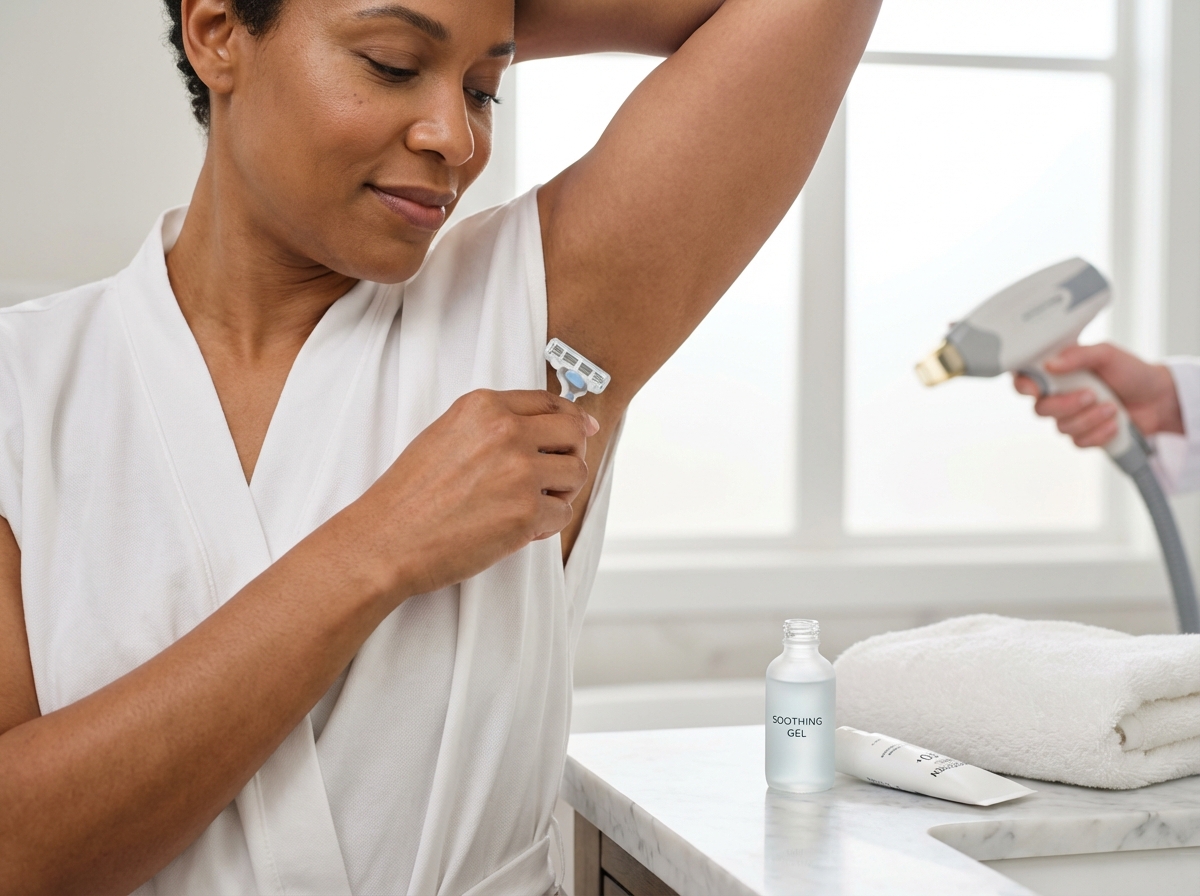
When you are ready to shave, your technique should be much gentler than usual. Use a fresh razor blade to ensure a clean cut without tugging. A dull blade is a common cause of folliculitis, which is the inflammation of the hair follicles. You can use a single-blade or a multi-blade razor, but an electric razor is often the best choice for very sensitive areas. Electric razors do not sit as close to the skin, which reduces the chance of nicks. Use cool or lukewarm water rather than hot water. Apply a mild, fragrance-free shaving gel or soap to create a protective barrier. Shave in the direction of hair growth. While this might not give you the smoothest result, it prevents ingrown hairs and protects the delicate skin barrier. Never attempt to dry shave an area that has recently been treated with a laser. Once you are done, pat the skin dry with a soft towel instead of rubbing it.
Alternatives for Inflamed Skin
If your skin remains red or feels tender beyond the first few days, avoid the razor entirely. You can use small scissors to trim the hair or an electric trimmer with a guard. These tools allow you to manage the appearance of regrowth without touching the skin surface. This is particularly helpful for the bikini and underarm areas where the skin is thinner and more prone to friction. Keeping the hair short between sessions is actually helpful for your provider. It allows them to see the treatment area clearly and track your progress without the interference of long hair shafts.
Post-Treatment Restrictions and Timelines
There are several things you must avoid to ensure your skin heals correctly. Do not wax, pluck, or use chemical depilatory creams at any point during your treatment course. These methods interfere with the natural shedding process and remove the root required for your next session to be effective. You should also skip harsh exfoliation for one to two weeks. While gentle rubbing with a washcloth is fine after the first week, aggressive scrubs can damage the healing epidermis. Avoid hot baths, saunas, and steam rooms for 48 to 72 hours. High heat can exacerbate the redness and lead to prolonged swelling. You should also avoid heavy exercise that causes excessive sweating for the first few days. Sweat can carry bacteria into the open follicles and cause breakouts or irritation.
Topical Aftercare and Sun Protection
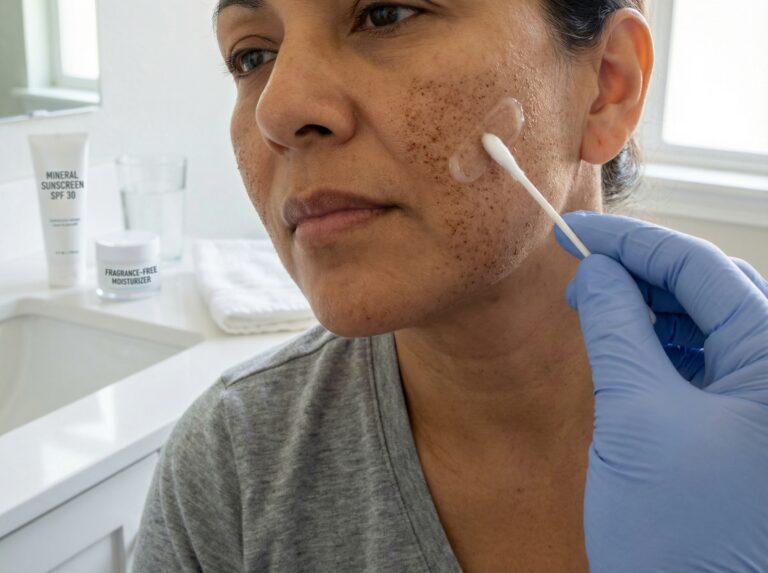
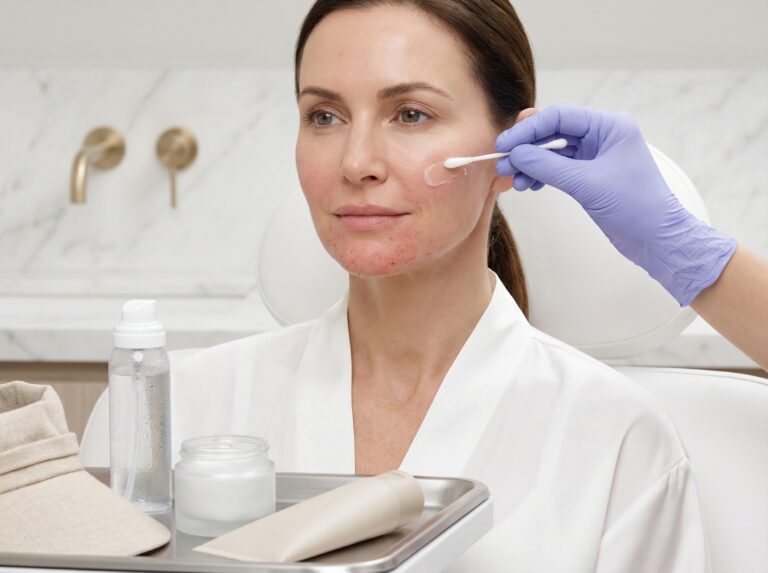
Your daily skincare routine needs to be simplified after a laser treatment. Apply a fragrance-free, bland moisturizer twice a day to keep the skin hydrated. If the area feels hot or itchy, you can use a cool compress for 15 minutes at a time. Avoid using any products that contain active ingredients like retinoids, glycolic acid, or salicylic acid for at least five days. These chemicals can cause a reaction on skin that has been sensitized by heat. Sun protection is the most critical part of your aftercare. You must apply a broad-spectrum sunscreen with an SPF of 30 or higher to any treated area that is exposed to light. This should be done for at least two weeks following your session. Laser treatments make the skin more susceptible to UV damage, which can lead to dark spots or hyperpigmentation.
Managing Side Effects and Skin Types
It is common to see small red bumps or slight swelling around the follicles immediately after treatment. This is known as perifollicular edema and usually fades within 24 hours. If you develop mild folliculitis, which looks like small white pimples, you can use a mild antiseptic wash. Some providers may recommend a topical antibiotic cream if the bumps do not clear up. If you have a darker skin tone, specifically Fitzpatrick types four through six, your aftercare must be even more diligent. Darker skin has a higher risk of post-inflammatory hyperpigmentation. Your provider will likely use an Nd:YAG laser, which is safer for melanin-rich skin. You must be extremely careful with sun exposure and use physical barriers like clothing to protect the skin. If you notice any areas of skin that look lighter or darker than the surrounding tissue, contact your clinic for guidance.
Post-Treatment Care Checklist
- Wait at least 24 to 72 hours before shaving. Only proceed if the skin is calm and free of redness.
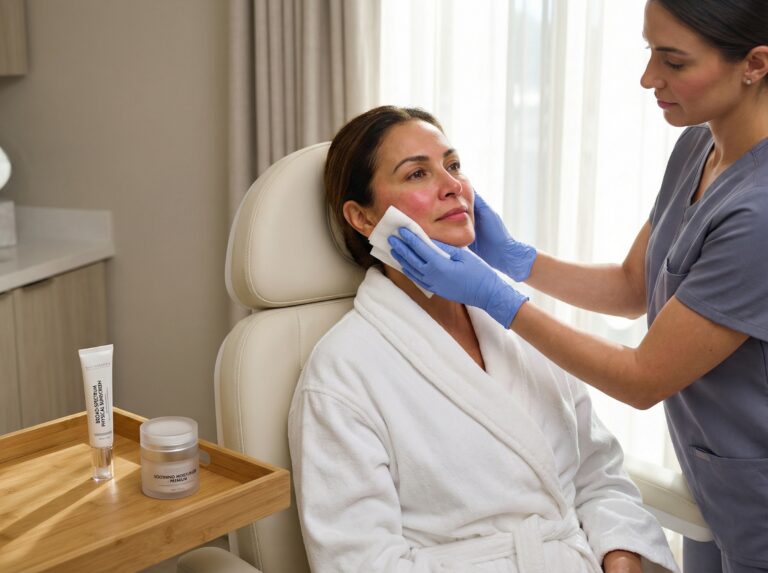
- Apply cool compresses to the area immediately after treatment to reduce heat and discomfort.
- Apply fragrance-free moisturizer every morning and evening.
- Use SPF 30+ sunscreen on all treated areas daily for at least two weeks.
- Avoid hot baths, saunas, and heavy exercise for 48 hours.
- Wear loose cotton clothing to reduce friction on the skin.
- Avoid picking or pulling at hairs that are shedding.
Contact your provider immediately if you experience increasing pain, spreading redness, or any signs of pus. Blistering or significant changes in skin color should also be reported to the clinic right away.
Following these steps ensures that your skin remains healthy while the laser does its work. Consistency with shaving and sun protection will lead to the best long-term results and a much smoother recovery period. Each treatment area behaves differently. Facial hair tends to shed faster, often within a week. Body hair on the legs or back may take the full three weeks to show signs of falling out. Patience is key during the weeks between your scheduled sessions.
Frequently Asked Questions
The period following a laser session often brings up a lot of uncertainty. You might see hair that looks like it is growing back or feel unsure about when you can pick up your razor again. These questions come up in almost every consultation. Understanding the timeline of shedding and the rules for skin maintenance helps you get the best results without unnecessary irritation. Here are the most frequent concerns patients have during their recovery phase.
When will I see the hairs fall out after treatment
You can expect to see the first signs of shedding between one and three weeks after your session. The laser destroys the follicle but the hair shaft remains inside the skin. It takes time for the body to naturally push that dead hair out. Some areas like the face might show results faster than the legs. According to Royal Med Spa, the hair will begin to thin and grow more slowly during this window. Practical tip Wait at least ten days before checking for shedding to avoid frustration.
Variables hair coarseness, treatment area, individual metabolic rate.
What does laser shed look like
Shedding often looks like black pepper spots or short stubble that appears to be growing. This is not new growth. It is the damaged hair being expelled from the follicle. You might notice these hairs falling out on your clothes or in the shower. A study on facial laser treatments notes that damaged shafts on the face usually shed within the first week. Practical tip Use a soft washcloth to gently wipe the area two weeks after treatment to help the process along.
Variables hair density, follicle depth, laser wavelength used.
Can I shave the same day as treatment
You should avoid shaving on the same day as your laser session. Your skin needs time to recover from the heat energy delivered by the device. Shaving too soon can cause micro-tears or severe irritation on skin that is already sensitive. Most clinics suggest waiting 24 to 72 hours before using a razor. Practical tip Wait until all redness and heat have completely left the skin before you attempt to shave.
Variables skin sensitivity, intensity of the laser settings, presence of swelling.
Will shaving reduce the effectiveness of laser
Shaving does not reduce the effectiveness of the treatment at all. The laser targets the root of the hair deep under the surface. Removing the hair above the skin does not change how the follicle responds to the heat. In fact, shaving is the only recommended hair removal method between sessions. Practical tip Keep the hair short between appointments to make your next session more comfortable.
Variables none, shaving is universally safe for the treatment outcome.
Can I use an electric razor or trimmer between sessions
Electric razors and trimmers are excellent choices for the weeks between your appointments. They are often gentler than traditional blades because they do not scrape the skin surface as closely. This reduces the risk of irritation or folliculitis while you wait for your next session. Practical tip Use a trimmer if your skin feels particularly dry or sensitive after your treatment.
Variables skin type, personal preference for closeness of shave.
How long should I wait to shave if my skin is red or blistered
If you experience redness, you should wait until the skin returns to its normal color. If blistering occurs, you must stop all shaving in that area immediately. Shaving over a blister can cause infection or permanent scarring. You must wait until the skin is fully healed and the crusting has disappeared. Practical tip Apply a cool compress to the area and notify your provider if you see any skin breakage.
Variables severity of the reaction, skin healing speed, area treated.
What if I develop ingrown hairs or folliculitis after treatment
It is common to see small bumps that look like acne after a session. This is often folliculitis, which is an inflammation of the hair follicles. It happens as the dead hair tries to push through the skin. You can manage this with gentle cleansing and avoiding tight clothing. Practical tip Use a fragrance free moisturizer to keep the skin soft and help hairs exit the follicles easily.
Variables hair texture, humidity levels, friction from clothing.
Is it safe to swim or exercise after a session
You should avoid swimming and heavy exercise for at least 24 to 48 hours. Sweat and bacteria can irritate the open follicles and lead to infection. Chlorine in pools is a harsh chemical that can cause a stinging sensation or rashes on treated skin. Practical tip Stick to light walking and stay in a cool environment for the first two days.
Variables intensity of exercise, water temperature, skin sensitivity.
How many sessions until hair stops regrowing
Most patients need between six and ten sessions to see significant long term reduction. Hair grows in cycles, so the laser can only hit a percentage of hairs at one time. You might see a 20 percent reduction after just one visit. According to Vancouver Laser, it usually takes about two weeks for treated hairs to shed followed by another month for regrowth. Practical tip Schedule your appointments every four to six weeks to catch the hair in the right growth phase.
Variables hormonal balance, hair color, body area.
Are there special concerns for darker skin tones or tanned skin
Darker skin tones require specific laser wavelengths like the Nd:YAG to avoid burning the surface pigment. If you have a tan, you must wait until it fades before your next session. Tanned skin has active melanin that can absorb the laser energy and cause a burn. Practical tip Always use a broad spectrum SPF 30 plus on any area exposed to the sun between treatments.
Variables Fitzpatrick skin type, recent sun exposure, type of laser machine.
What should I do if I notice post inflammatory hyperpigmentation or hypopigmentation
If you see dark or light spots after your treatment, you should contact your clinician. This is often a temporary reaction to the heat. Keeping the area out of the sun is the most important step to prevent these spots from becoming permanent. Practical tip Avoid using any harsh chemical peels or exfoliating acids on the affected spots until a professional clears you.
Variables sun exposure habits, skin type, laser energy levels.
When should I contact my provider
You should call your clinic if you experience extreme pain that does not go away with a cool compress. Other red flags include yellow discharge, spreading redness, or blisters that look like they are getting worse. Most minor side effects like slight swelling go away within a few hours. Practical tip Take a clear photo of the area to email to your provider for a quick assessment.
Variables severity of symptoms, history of skin conditions, type of reaction.
Managing your skin after laser hair removal is mostly about patience. The shedding process cannot be rushed. If you follow the 24 to 72 hour rule for shaving and keep your skin hydrated, you will likely have a smooth recovery. Always prioritize the health of your skin over the desire for a close shave in those first few days. Your provider is your best resource for any specific reactions that feel outside the norm.
Long-Term Results and Maintenance
Consistency is the most important factor for long term results. Most patients need between six and eight sessions to see a significant reduction. Some areas like the face might need more frequent visits because the growth cycles are shorter. Expect a permanent reduction rather than total removal. You might need a touch up once or twice a year to maintain the results. The first few treatments often show the most dramatic results because they target the thickest hairs. Over time, the remaining hair usually grows back finer and lighter.
You should monitor your skin closely during the recovery period. Mild redness and small bumps around the follicles are normal. These usually go away within a few days. If you notice spreading redness or pus, contact your clinic. These can be signs of a bacterial infection or folliculitis. Increasing pain or blistering should also be reported immediately. If you see unexpected changes in skin color, such as dark or light spots, talk to your provider. They can adjust the laser settings for your next session or recommend topical treatments to help the skin heal. Following these steps helps you get the best results while keeping your skin healthy. Keep your appointments spaced correctly to catch as many hairs as possible in the active growth phase. This strategic approach ensures the most efficient path to smooth skin.
Sources
- When Does Hair Begin to Shed After Laser Hair Removal? — Between 1 to 3 weeks after your treatment, the first signs of shedding start to appear. During this period, the hair will begin to thin and grow more slowly.
- How Long Does Laser Hair Removal Last? – Vancouver Laser — It usually takes about two weeks for treated hairs to shed, followed by another month for them to regrow. As a result, laser hair removal …
- How many days after laser does hair fall out? – Skin Perfection London — The treated hair doesn't fall out immediately but rather sheds over a period of days to weeks. On average, shedding begins about 5 to 14 days after treatment.
- Hair Growth After Laser Hair Removal – Skin Logic Aesthetics — Key takeaways: Hair will begin to grow back within a few weeks to a few months after laser hair removal treatment. The rate of regrowth varies depending on the …
- Laser hair removal – a step-by-step process | ASPS — Hair follicles hit by the laser during the treatment can take days to weeks to fully shed. Hairs do not fall out immediately and the shedding …
- Methods to Overcome Poor Response and Challenges of Facial … — 2,27 The damaged hair shafts on the face are usually shed within the first week of laser treatment. Patients should be assured that this is a shedding phase and …
- Is laser hair removal permanent, and is it safe? – Medical News Today — Hair follows a unique growth cycle that involves resting, shedding, and growing periods. … According to 2017 statistics from the American Society of Plastic …