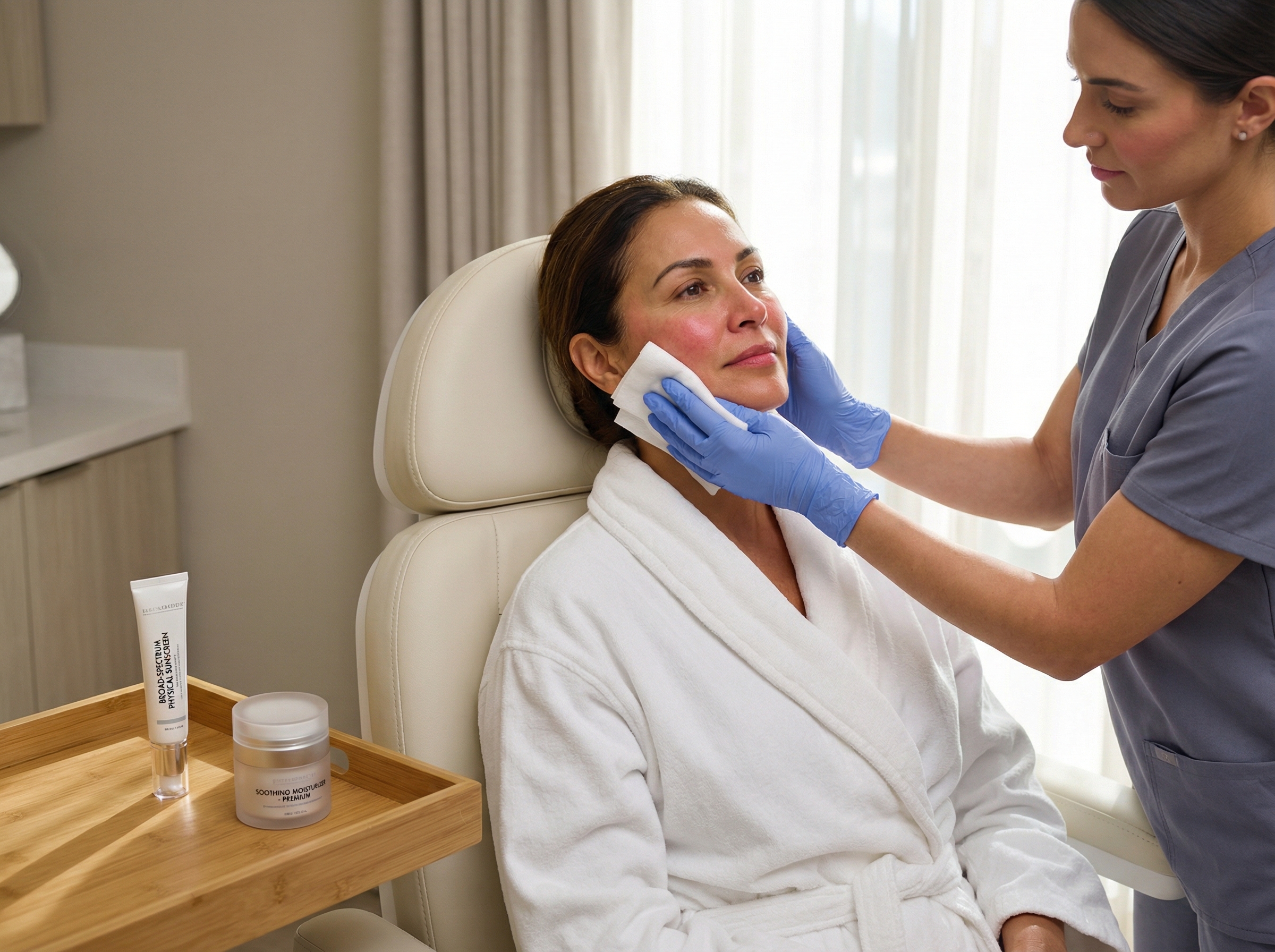
IPL photofacials can quickly fade sunspots and broken capillaries but sometimes leave temporary redness or darkened spots. This guide explains why those reactions happen, step-by-step aftercare to calm skin and treat pigmentation, realistic recovery timelines, and when to contact your provider. Practical, evidence-based tips help you protect results and reduce complications after treatment.
What to Expect After an IPL Photofacial
Walking out of the clinic after an IPL session often leaves patients wondering if their reaction is normal. The skin usually feels warm and tight, resembling a mild sunburn. This sensation is the direct result of light energy converting to heat within the skin layers. The device targets specific chromophores—the parts of your skin that absorb color, such as melanin in brown spots or hemoglobin in red blood vessels.
Understanding the biological mechanism helps manage anxiety during the recovery phase. The intense pulsed light penetrates the epidermis and hits the targeted pigment or vessel. When the target absorbs this energy, it heats up rapidly and breaks down. This process is called selective photothermolysis. The surrounding tissue remains largely unaffected if the settings are correct for your skin type.
The Reaction of Pigmented Lesions
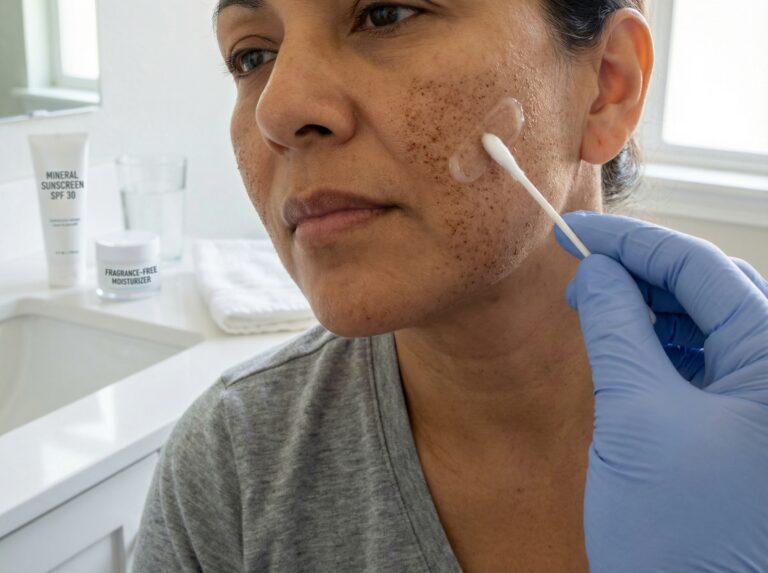
Brown spots and sun damage respond in a very specific way. You might notice these spots looking darker immediately after the treatment. This is not a sign that the treatment failed or made the condition worse; it is the clinical endpoint providers look for. The heat from the IPL causes the melanin to coagulate, similar to how an egg white turns solid and opaque when cooked.
This reaction involves oxidation. The pigment darkens to a grey or dark brown color. Over the next few days, these darkened areas might form a micro-crust, often described as looking like coffee grounds on the skin. The technical term for this is Microscopic Epidermal Necrotic Debris (MEND). The skin pushes this debris to the surface as it renews itself.
The depth of the pigment matters. Epidermal pigment is shallow; it tends to darken quickly and flake off within a week or two. Dermal pigment is deeper and takes longer for the body to break down and absorb. Sometimes deeper pigment does not flake off but fades gradually as the body’s immune system clears the fragmented melanin particles.
Vascular Responses and Redness
Redness is the other primary outcome. This occurs because the heat causes blood vessels to dilate. The body sends more blood to the area to cool it down and start the repair process. This transient erythema usually lasts for a few hours to a couple of days.
If the treatment targeted broken capillaries or rosacea, the response is slightly different. The heat collapses the vessel walls. You might see the vessel disappear immediately. Sometimes the vessel ruptures slightly and causes a bruise, known as purpura. This is less common with modern IPL devices than with older lasers but can still happen. The purple or deep red color of a bruise indicates that the vessel was successfully targeted and is now closed off.
Swelling and Inflammation
Mild swelling is a common short-term side effect. It happens because the heat causes a release of inflammatory mediators, causing fluid to rush to the area. This is most noticeable in areas with thin skin, such as the under-eye area and the cheeks. This edema typically peaks within 24 to 48 hours.
The level of swelling depends on the aggressiveness of the treatment. Higher settings used for stubborn vessels often result in more swelling. It is a sign that the tissue has reached the necessary temperature to stimulate change. However, excessive swelling that distorts facial features is rare and should be monitored.
Typical Recovery Timeline
The face heals faster than the body because facial skin has a higher density of blood vessels and oil glands, which aid in rapid regeneration.
- 0 to 4 hours: The skin feels hot and sensitive. Redness is at its peak. You might feel a stinging sensation similar to a windburn.
- 24 to 48 hours: Redness usually subsides or turns pink. Swelling may be visible. Pigmented spots continue to darken.
- 3 to 7 days: The darkened pigment begins to lift, creating a rough texture on the skin surface. This is the crusting phase. The “coffee grounds” start to flake off during cleansing.
- 1 to 2 weeks: Most visible flaking on the face resolves. The skin tone appears more even. Sun spots appear darker by Day 2 and then flake off, revealing fresh skin underneath.
Treatments on the neck, chest, arms, or hands take longer because skin turnover on the body is slower. It typically takes two to four weeks for the pigment to fully surface and flake off in these areas.
Risk Factors and Individual Variations
Not everyone reacts the same way. Several factors influence the severity of the post-treatment response and the risk of complications.
Fitzpatrick Skin Type
The amount of natural melanin in your skin dictates safety limits. Lighter skin (Types I-III) can handle higher energy settings. Darker skin (Types IV-VI) has more competing melanin, increasing the risk of the laser targeting the natural skin color instead of just the sun spot. Using settings that are too high on darker skin can lead to burns or hypopigmentation (loss of color).
Recent Sun Exposure
This is the most significant variable. Active tanning stimulates melanin production. If you have a tan—even a slight one—the risk of burns increases dramatically. The IPL device cannot distinguish between a sun spot and a fresh tan, which can result in blistering or prolonged redness.
Medications and Health History
Certain medications make the skin photosensitive. Antibiotics like doxycycline or tetracycline are common culprits and lower the threshold for a burn. Hormonal fluctuations also play a role; melasma, which is hormonally driven pigmentation, can sometimes flare up with the heat from IPL. A history of keloids or hypertrophic scarring generally requires a gentler approach or avoidance of certain areas.
Pre-treatment Products
Using retinoids or exfoliating acids right before the session strips the protective barrier of the skin. This makes the skin more permeable and sensitive to heat, increasing the likelihood of significant redness and peeling.
Rare Outcomes and Warning Signs
Most side effects are mild and temporary. However, adverse reactions can occur.
Blistering
This indicates a burn. It happens if the energy was too high or the skin was too tanned. Small blisters usually heal on their own, but large blisters require medical attention to prevent infection and scarring.
Hypopigmentation
White spots or patches occur if the melanocytes are damaged. This is often permanent or takes months to reverse. It is more common in darker skin tones treated with aggressive settings.
Hyperpigmentation
Sometimes the inflammation from the heat triggers the skin to produce more pigment. This is called Post-Inflammatory Hyperpigmentation (PIH). It looks like a dark shadow where the treatment occurred and is more likely in olive or darker skin tones.
Scabbing
Mild crusting is normal. Thick, oozing scabs are not. This suggests a deeper injury to the skin. Picking at any crust or scab significantly increases the risk of scarring.
Setting Realistic Expectations
One treatment rarely clears everything. Pigment is often layered in the skin; the first session targets the top layer, while subsequent sessions reach deeper layers. IPL treatment sessions should be scheduled every four weeks to allow the skin to complete its healing cycle.
Vessels can be stubborn. Some reopen after being treated, while others have feeder veins that need to be addressed. It typically takes a series of three to six treatments to achieve significant clearance. The fading process is gradual. You will not wake up the next day with perfect skin. The improvement builds over weeks, and the skin looks clearer and brighter as the collagen production stimulated by the heat kicks in over the following months.
The Importance of Professional Assessment
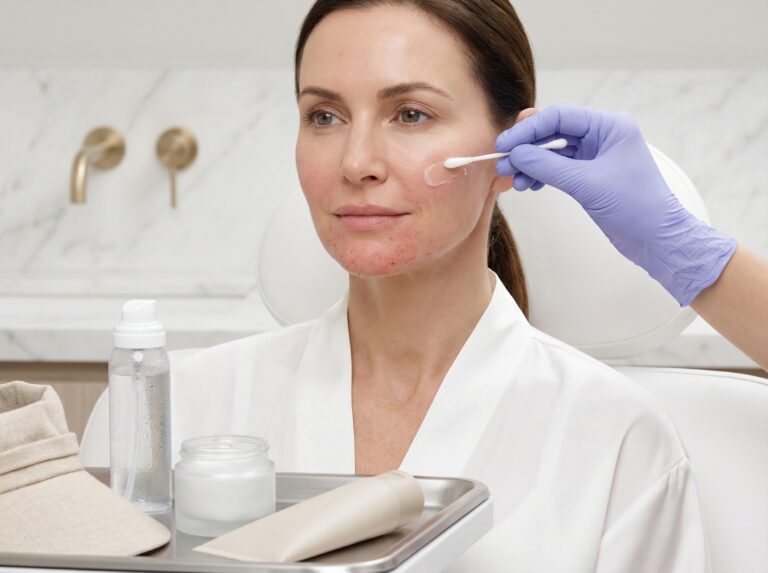
The skill of the provider determines the outcome as much as the machine does. An experienced practitioner adjusts the pulse duration, fluence, and cooling settings based on real-time skin responses. They perform test spots on the jawline or neck before treating the full face. This small test confirms that the settings are safe and effective for your specific skin condition on that specific day.
Consultations prior to treatment allow for a review of medical history and lifestyle factors. This is where contraindications like Accutane use or pregnancy are identified. Modern clinical guidance emphasizes individualized protocols rather than generic settings to minimize risks and maximize the clearance of dark spots and redness.
Practical Aftercare to Treat Dark Spots and Reduce Redness
Immediate Phase: The First 48 Hours
The first two days following your treatment define the quality of your recovery. Your skin has just absorbed high-intensity light energy, creating heat within the targeted pigment and vessels. The primary goal right now is cooling the tissue and protecting the skin barrier while the inflammation settles. You might feel like you have a mild sunburn. This is a normal reaction to the thermal energy.
Cooling and Comfort
Heat retention can exacerbate redness. You need to draw that heat out safely. Apply cool compresses or ice packs wrapped in a soft cloth to the treated area for 10 to 15 minutes every hour for the first day. Avoid applying ice directly to the skin, as freezing temperatures can damage fragile tissue that is already sensitized. If your provider applied a soothing gel immediately after the procedure, leave it on as directed.
Cleansing Protocol
Hygiene is important to prevent infection, but aggression will cause damage. Wash your face with lukewarm water and a gentle, non-foaming cleanser. Avoid hot water, as heat causes vasodilation and will bring back the redness you are trying to calm. Do not use washcloths, sponges, or sonic cleansing brushes. Use your clean hands only. Pat the skin dry with a soft towel. Do not rub.
Moisturizing and Barrier Protection
Your skin barrier is temporarily compromised. You must create a seal to lock in moisture and keep out bacteria. Use a fragrance-free, medical-grade moisturizer containing ingredients like ceramides or hyaluronic acid. For very fragile or sensitive skin, silicone-based gels or barrier creams are excellent as they form a breathable protective layer. Avoid heavy occlusives like pure petroleum jelly unless specifically instructed by your clinician, as these can sometimes trap too much heat if applied immediately post-treatment.
Strict Sun Protection
Sun exposure during this window can lead to blistering or permanent hyperpigmentation. Stay indoors if possible. If you must go outside, wear a wide-brimmed hat and apply a broad-spectrum sunscreen with an SPF of 30 to 50+. Physical blockers containing zinc oxide or titanium dioxide are superior here because they sit on top of the skin and reflect light. Chemical sunscreens absorb heat and can irritate sensitized skin. Reapply every two hours if you are near windows or outside. Remember that UV rays penetrate clouds and glass.
Short Term: 48 Hours to 2 Weeks
During this phase, the targeted pigment will darken and eventually shed. This is often called the “coffee ground” effect. The redness should subside, but the skin remains vulnerable. Your routine shifts from cooling to supporting the natural exfoliation process without forcing it.
Managing the “Coffee Grounds”
Pigmented spots will turn darker brown or gray, indicating the treatment worked. The pigment has been coagulated and is moving to the surface to form tiny crusts. Do not pick, scratch, or scrub these crusts. Picking can remove the pigment too early and lead to scarring or hypopigmentation (white spots). Allow the crusts to flake off naturally during cleansing or moisturizing. This usually takes 7 to 10 days for the face and up to 4 weeks for the body.
Activity Restrictions
Avoid activities that induce heavy sweating or flushing for at least 72 hours to one week. Sweat contains bacteria that can irritate the treated follicles. Intense exercise increases blood flow and body temperature, which can trigger a resurgence of redness and swelling. Avoid saunas, steam rooms, and hot yoga. Chlorinated pools should be avoided until the skin is fully healed to prevent chemical irritation.
Skincare Adjustments
Continue with the gentle cleanser and moisturizer. You may wear makeup if the skin is not broken or blistered. Mineral makeup is preferred as it allows the skin to breathe and offers additional sun protection. If your provider recommended a low-potency topical steroid like 1% hydrocortisone for persistent swelling or itchiness, use it strictly as directed. Do not use it for more than a few days to avoid thinning the skin.
Pausing Active Ingredients
Stop using retinoids (Retin-A, retinol), alpha-hydroxy acids (glycolic, lactic), and beta-hydroxy acids (salicylic) during this time. These ingredients increase cell turnover and can cause severe irritation on healing skin. Wait until all the crusting has resolved and the skin feels smooth again. This is typically around day 10 or 14.
Medium Term: 2 Weeks to 3 Months
Once the initial healing is complete, the focus turns to maximizing results and preventing new pigment formation. This is the time to address stubborn dark spots and maintain the clarity achieved by the IPL photofacial.
Reintroducing Actives
You can slowly restart your active skincare regimen. Introduce one product at a time to monitor for sensitivity. Retinoids are valuable here as they speed up cell turnover and help fade any remaining pigment. Start with a lower frequency, perhaps twice a week, and build up tolerance.
Topical Pigment Inhibitors
To treat dark spots after IPL and prevent recurrence, incorporate tyrosinase inhibitors. These ingredients stop the enzyme responsible for producing melanin.
- Vitamin C: A potent antioxidant that brightens skin and protects against free radical damage. Use this in the morning under sunscreen.
- Niacinamide: Reduces inflammation and blocks pigment transfer within the skin cells. It is generally well-tolerated.
- Tranexamic Acid: Effective for vascular components of melasma and general redness.
- Azelaic Acid: Targets pigment and reduces inflammation. It is safe for most skin types.
- Kojic Acid: A natural mushroom-derived lightener that works well in combination with other brighteners.
Hydroquinone Considerations
For persistent pigmentation, your provider might prescribe hydroquinone. This is the gold standard for lightening dark spots. It is a medical-grade agent and requires supervision. Do not use hydroquinone for longer than three months at a time to avoid ochronosis, a rare condition causing blue-black skin discoloration. It is generally contraindicated during pregnancy and breastfeeding.
Maintenance and Expectations
One IPL session is rarely enough for significant sun damage. You will likely see a 10% to 20% improvement per session. A series of 3 to 6 treatments spaced 4 weeks apart is the standard protocol. Real improvement takes weeks to months. Collagen production stimulated by the heat continues for up to six months. Be patient with the recovery timeline.
Red Flags and Escalation
Most side effects are mild and temporary. However, you must be vigilant for signs of complications. Contact your clinic immediately if you experience any of the following:
- Increasing Pain: Discomfort should decrease after the first day. Escalating pain may indicate a burn or infection.
- Blistering: Small blisters can occur but require medical management to prevent scarring. Do not pop them.
- Spreading Redness: If redness expands beyond the treated area or feels hot to the touch days later, it could be an infection.
- Pus or Oozing: Yellow or green discharge is a sign of bacterial infection.
- Systemic Symptoms: Fever or chills are not normal reactions to IPL.
Adjunctive Clinical Options
Sometimes IPL alone does not clear every spot. If you have residual dark spots after a full series, your provider might suggest other modalities. Chemical peels can lift superficial pigment that IPL missed. Fractionated lasers (like Fraxel) penetrate deeper to break up stubborn dermal pigment. For vascular issues, a specific vascular laser like a PDL (Pulsed Dye Laser) might be more effective for larger vessels. These decisions should be made during a follow-up assessment once the skin has fully recovered from the IPL photofacial.
Consistent aftercare is the bridge between a good treatment and a great result. Following these steps minimizes the risk of post-inflammatory hyperpigmentation and ensures your investment in your skin pays off.
Frequently Asked Questions
You have the step-by-step routine down. You know how to cleanse and moisturize. Yet specific questions often come up once you get home and look in the mirror. Recovery can look different for everyone. These answers address the most common concerns about IPL photofacial aftercare to help you stay calm and safe.
How long does redness last after IPL?
Direct Answer: Redness typically subsides within 24 to 48 hours.
Timeline: Most patients see a significant reduction in redness by the next morning. Mild pinkness may persist for two days.
Rationale: The light energy creates heat in the skin, causing a temporary inflammatory response similar to a mild sunburn. The capillaries dilate and then constrict as they heal.
Precautions: Apply cool compresses if the heat feels intense. Avoid hot showers or cardio exercise that increases blood flow to the face. If redness lasts longer than three days or worsens, contact your provider.
How soon will dark spots fade?
Direct Answer: Dark spots usually flake off within 7 to 10 days on the face.
Timeline: Pigment darkens immediately or within 24 hours. It creates a “coffee ground” appearance. These micro-crusts shed naturally over the next week. Body areas like the chest or arms heal slower and may take 2 to 4 weeks.
Rationale: The IPL targets melanin. The heat shatters the pigment. The body pushes this debris to the surface to eliminate it.
Precautions: Do not pick or scrub the dark spots. Let them fall off naturally during cleansing. Premature removal can cause scarring.
For a visual guide on what this looks like, you can check this IPL photofacial results guide.
Can I wear makeup after treatment and when?
Direct Answer: Yes, you can usually wear makeup the next day.
Timeline: Wait at least 12 hours or until the heat sensation completely dissipates. Some providers allow mineral makeup immediately if the skin is not broken.
Rationale: Mineral makeup allows the skin to breathe. It also provides extra sun protection. Heavy liquid foundations can clog pores and trap heat.
Precautions: Ensure your brushes and sponges are clean to prevent infection. Remove makeup gently without rubbing. If you have blistering or open skin, avoid all makeup until it heals.
When should I start using topical pigment treatments after IPL?
Direct Answer: Wait 5 to 7 days before resuming active pigment inhibitors.
Timeline: Resume products with tyrosinase inhibitors or chemical exfoliants only after the skin feels normal and all redness is gone.
Rationale: Your skin barrier is temporarily compromised. Applying strong actives too soon can cause irritation or contact dermatitis. This inflammation could lead to new hyperpigmentation.
Precautions: Patch test any product first if your skin feels sensitive. Consult your clinician before restarting prescription strength hydroquinone.
Can I get Botox or fillers on the same day?
Direct Answer: It depends on the sequence, but separating them is safer.
Timeline: If done same-day, IPL must happen before injectables. If you already had injectables, wait 2 weeks before IPL.
Rationale: The pressure of the IPL handpiece could displace fresh filler or Botox. The heat might also increase swelling at injection sites.
Precautions: Always inform your provider if you have fillers. They need to avoid applying heat directly over certain types of filler to prevent degradation.
Are over-the-counter treatments like vitamin C or niacinamide safe right away?
Direct Answer: Niacinamide is usually safe. Vitamin C should wait.
Timeline: You can use niacinamide immediately to soothe. Wait 3 to 5 days for Vitamin C.
Rationale: Niacinamide strengthens the barrier and reduces redness. L-ascorbic acid (Vitamin C) has a low pH. It can sting and irritate freshly treated skin.
Precautions: Use a simple hyaluronic acid serum instead for the first few days. Introduce actives one at a time.
Are any products unsafe during pregnancy or breastfeeding?
Direct Answer: IPL itself is not performed during pregnancy. During breastfeeding, avoid systemic absorption risks.
Timeline: Pause maintenance treatments until after delivery.
Rationale: Hormonal changes during pregnancy cause melasma. IPL creates heat and pain that could stress the body. There is no data proving safety for the fetus.
Precautions: While breastfeeding, IPL is generally considered safe. However, avoid topical numbing creams that enter the bloodstream. Avoid hydroquinone. Consult your OB-GYN before any procedure.
Planning for Future Sessions and Maintenance
You have made it through the treatment session and read through the common questions. Now we need to focus on what happens next. The success of an IPL photofacial relies heavily on how you handle the days and weeks following the appointment. The device does the heavy lifting during the procedure, but your habits determine how well that work pays off.
Managing Expectations and Repeat Treatments
One session is rarely enough. Most patients require a series of three to five treatments to achieve optimal clearance. This is standard for 2025 protocols. The light can only target pigment and vessels that are responsive during that specific cycle. Deeper sun damage rises to the surface over time.
Do not be discouraged if some spots remain after the first round. They often lighten rather than disappear completely. Each subsequent session builds on the previous one. You will likely notice a cumulative improvement in skin texture and tone. The collagen stimulation benefits also take months to fully manifest. Your skin will continue to improve long after the final session.
Planning for Future Sessions
You should start planning your next appointment before you leave the clinic. The standard interval is four weeks between sessions. This allows the skin to complete its healing cycle. It also ensures the target chromophores are ready for the next pulse of light.
Preparation for the next round starts now. You must maintain your sun avoidance. Tanned skin cannot be treated safely. If you get a tan between sessions, you will have to reschedule. This delays your results.
Patients with darker skin tones or a history of melasma might need extra preparation. Your provider may recommend a tyrosinase inhibitor. This is a topical product that prevents the overproduction of melanin. Using this for two weeks prior to your next session can reduce the risk of post-inflammatory hyperpigmentation. Ask your clinician if this is appropriate for your skin type.
Final Thoughts and Action Plan
IPL photofacials offer a powerful way to reverse visible signs of aging. The technology in 2025 is safer and more effective than ever. Yet the device is only a tool. Your compliance with aftercare determines the safety and quality of the outcome. You have invested time and money into your skin. Protect that investment with diligence.
Your Immediate Checklist:
- Hydrate: Drink water and keep your skin moisturized.
- Protect: Apply SPF 30+ every single morning.
- Wait: Let the spots fall off on their own.
- Schedule: Book your follow-up for four weeks from today.
Save this guide for reference during your recovery week. Trust the process. Be patient with the “ugly” phase where spots darken. It is temporary. Clearer and brighter skin is waiting on the other side. If you have any doubts about how your skin is healing, pick up the phone and call your provider. It is always better to ask than to guess.
References
- IPL Photofacial Results: Before & After Guide for 2025 – Cocoon — Immediately after: skin may look pink or slightly puffy, like a mild sunburn. · Years of unprotected sun exposure · Sun spots appear darker by Day 2, then start …
- IPL Therapy Complete Guide – The Botox Lady — Therefore, IPL treatment sessions should be scheduled every four weeks to provide the body enough time to heal and return to its natural state …
- What Precautions Should Be Taken Before and After IPL Photofacial? — Aftercare for IPL Photofacial · Avoid Direct Sun Exposure and Use Broad-Spectrum Sunscreen · Gentle Skincare Routine and Avoid Harsh Products · Avoid Strenuous …
- IPL Treatment: Prep & Aftercare For Pigmentation & Redness — This comprehensive guide will explore the IPL Treatment skincare routine, including how to prepare for your treatment and what to expect afterward.
- Are IPL treatments in 2025 approved by dermatological associations? — In 2025, ongoing research continues to enhance safety protocols and patient outcomes, and many dermatological associations now endorse IPL therapy as a first- …
- Intense Pulsed Light (IPL) Therapy – StatPearls – NCBI Bookshelf – NIH — IPL is safe and effective in treating benign pigmented and vascular disorders as well as performing hair removal and reducing signs of photoaging.
- Intense Pulsed Light Therapy (IPL Treatment) – WebMD — IPL Recovery · Don't put on makeup if your skin hurts. · Use moisturizing lotion. · Protect yourself with sunscreen. Make sure it has an SPF of at …
- Ultimate Guide To IPL Photofacial | Before, During & After — Immediate Aftercare · Apply a Cool Compress: If you experience discomfort, applying a compress (cold) to the treated area can help soothe the skin. · Moisturize: …
- IPL Recovery Guide – Dr Rossi DERM MD — Use The Purifier for gentle cleansing within 12 hours of your session, followed immediately by The Day Formula during daytime and The Night Synthesis before bed …
Legal Disclaimers & Brand Notices
The information provided in this article is for educational and informational purposes only and does not constitute professional medical advice, diagnosis, or treatment. Always seek the advice of your physician or other qualified health provider with any questions you may have regarding a medical condition or procedure. Never disregard professional medical advice or delay in seeking it because of something you have read in this content.
All product names, logos, and brands are the property of their respective owners. All company, product, and service names used in this website are for identification purposes only. Use of these names, logos, and brands does not imply endorsement. The following trademarks are referenced in this article:
- Botox® is a registered trademark of Allergan, Inc.