Non invasive cosmetic treatments like CoolSculpting, Botox, fillers, laser facials, and chemical peels deliver results with significantly less downtime than surgery. However, side effects such as pain, numbness, and swelling are common and vary by procedure. This article details realistic recovery timelines, practical self-care strategies, and how to minimize risks while maximizing outcomes.
What to Expect Immediately After CoolSculpting and Related Treatments
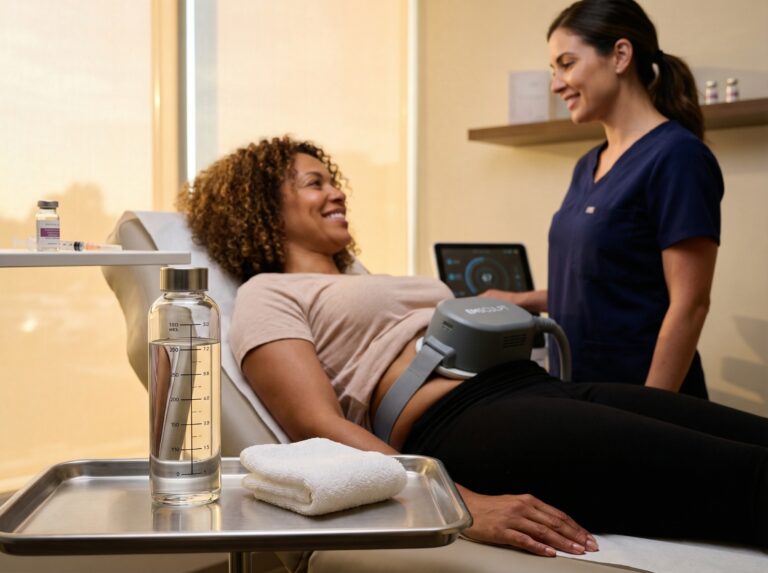
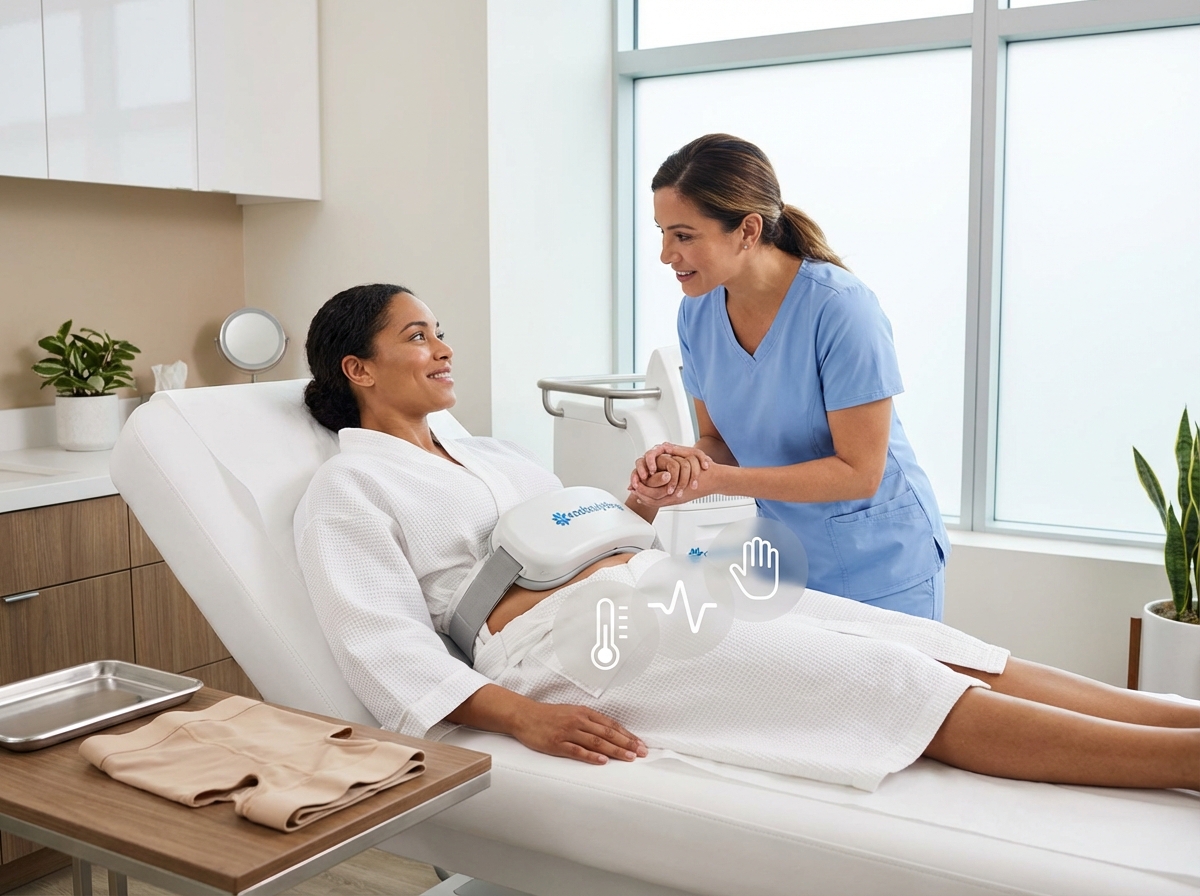
The immediate experience of a CoolSculpting session is distinct from other body contouring methods. When the applicator adheres to the skin, you will feel an intense cold sensation combined with firm tugging. This occurs as vacuum technology draws fat tissue into the cooling cup. Most patients report that the area becomes numb within ten minutes as the temperature drops. Once the cycle finishes, the technician removes the device to reveal a firm, cold mass often described as a “frozen stick of butter.” A manual massage follows immediately. This two-minute massage is vital for breaking up crystallized fat cells, though it can feel intense or prickly as the tissue thaws and blood flow returns.
Early Side Effects and the First 72 Hours
The first few days involve a specific set of physical responses. You may notice significant redness, firmness, or minor swelling in the treated area. Soreness and a deep aching sensation typically peak between 24 and 72 hours post-treatment. This discomfort is often compared to the muscle soreness felt after a strenuous workout. Some patients report a stinging or cramping feeling during this window. According to the CoolSculpting Recovery Timeline, these symptoms are part of the natural inflammatory response as the body identifies and processes damaged fat cells. Bruising is also common, especially if the vacuum pressure was high or if you have a natural tendency to bruise. Most visible discoloration fades within the first week, though it can linger for up to fourteen days.
Numbness and Nerve Sensations
Numbness is the most persistent early side effect of cryolipolysis. It usually begins immediately after the procedure and can last for several weeks. As the nerves in the treated area recover from the cooling process, you might experience tingling, itching, or a “pins and needles” sensation. This is a standard part of the recovery journey. While it can feel strange, it rarely interferes with daily activities. Clinical data suggests that normal sensation returns fully within one to two months. If you treat a larger area with multiple cycles, the duration of this numbness might be extended compared to a single, smaller treatment zone.
Comparing CoolSculpting to Other Non-Invasive Procedures
The recovery profile for CoolSculpting differs significantly from injectable treatments or skin resurfacing. Botox injections involve almost no downtime, with tiny bumps at the injection site vanishing within an hour and full results settling within two weeks. Dermal fillers often cause immediate swelling or bruising that can last for several days; while volume is visible immediately, the final result takes two to four weeks to look completely natural. Unlike CoolSculpting, neither Botox nor fillers cause prolonged numbness or deep muscle-like aching.
Laser facials and chemical peels follow a healing logic based on treatment depth. Superficial peels or light laser treatments result in redness and minor peeling that resolves in two to seven days. Medium-depth treatments require seven to fourteen days as the skin sheds and regenerates. Deep chemical peels or ablative lasers involve intensive recovery lasting several weeks, focusing on skin barrier repair rather than internal tissue inflammation. Radiofrequency (RF) or ultrasound body sculpting generally offers the mildest recovery, usually resulting in light soreness or temporary redness without the weeks of numbness seen with cryolipolysis.
Factors That Influence Your Recovery
Individual biological factors and treatment specifics dictate the recovery experience. The size of the applicator and the number of cycles performed in one session play a major role; more cycles often mean a higher systemic inflammatory load, leading to more pronounced swelling. The abdomen tends to stay tender longer than the chin or outer thighs. Age and lifestyle habits also impact the timeline, with older patients potentially experiencing longer swelling duration. Smoking status is a critical factor because it impairs blood flow and slows healing. If you are taking anticoagulants or supplements like fish oil, expect more significant bruising. Staying hydrated and avoiding restrictive clothing during the first week can make the process more comfortable.
| Procedure | Immediate Sensation | Peak Side Effects | Full Recovery Window |
|---|---|---|---|
| CoolSculpting | Cold, Tugging, Numbness | 24–72 Hours (Aching) | 1–4 Weeks (Swelling) |
| Botox | Mild Pinching | 24–48 Hours (Bumps) | 2 Weeks |
| Dermal Fillers | Pressure, Stinging | 2–3 Days (Swelling) | 2–4 Weeks |
| Medium Chemical Peel | Heat, Tingling | 3–5 Days (Peeling) | 7–14 Days |
| RF Body Sculpting | Warmth | 24 Hours (Redness) | 1–3 Days |
Practical Pain Management and Aftercare Strategies
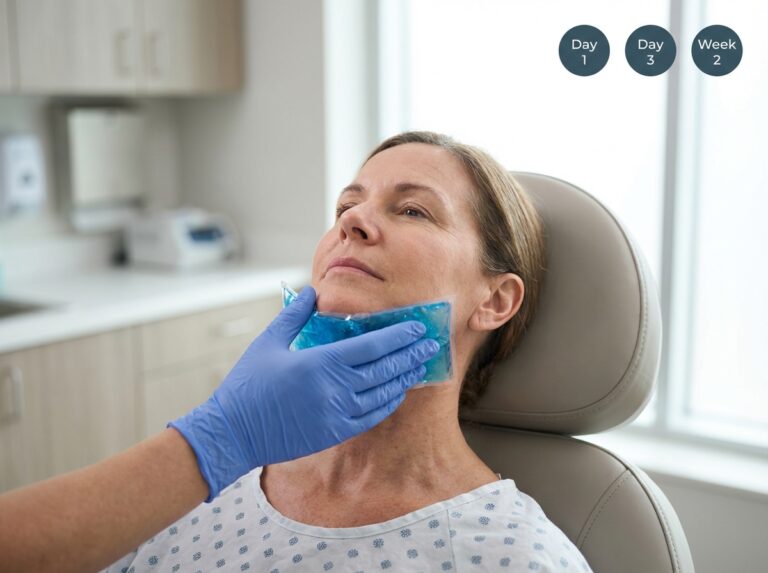
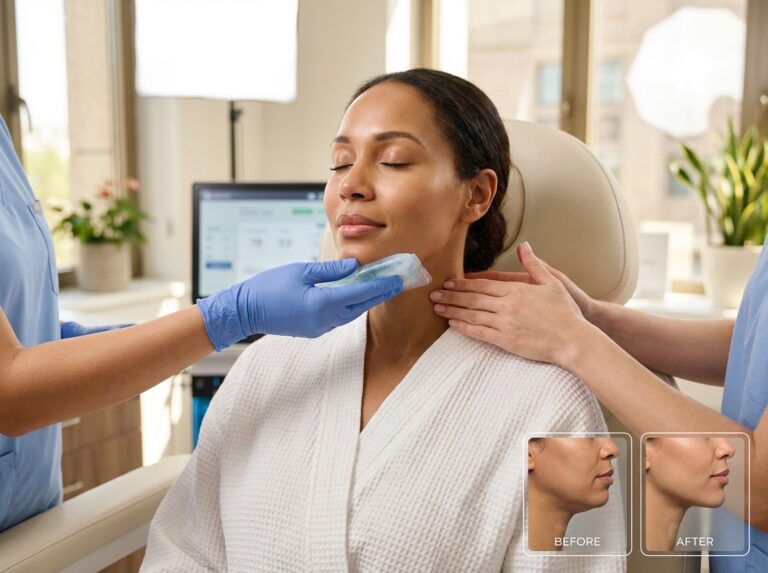
Managing the physical response after a session requires a proactive approach. Icing the treated area is a common first step. Apply a cold pack for 15 to 20 minutes at a time every few hours during the first two days to control the initial inflammatory response and provide a numbing effect. Ensure you wrap the ice pack in a thin towel; direct contact with frozen packs can damage skin that is already recovering from cold stress. This differs from laser facials or chemical peels, where cooling is used to stop heat from traveling deeper into the skin.
Rest is essential during the first 24 hours as your body begins breaking down fat cells. However, total bed rest is not recommended. Gentle movement, such as a short walk every few hours, helps reduce stiffness and encourages the lymphatic system to work. This prevents the treated area from feeling tight or hard. If you had treatment on your abdomen, sleep on your back with your upper body slightly elevated to help fluid drain away from the treatment site and reduce the heavy feeling that often peaks on the second or third day.
Compression garments are highly effective for areas like the stomach or thighs. A snug garment provides support and keeps the tissue from moving excessively during activity, lowering sharp sensations. Most clinics suggest wearing these for the first week. In contrast, with dermal fillers or Botox, you must avoid pressure on the area for the first few days to prevent the product from shifting.
Medication and Pain Relief
When non-drug measures are insufficient, over-the-counter options are the next step. Acetaminophen is the first line of defense for pain control as it addresses aching and soreness without affecting blood clotting. Standard dosing is usually 500 to 1000 milligrams every six hours, not exceeding 4000 milligrams in a 24-hour period.
NSAIDs like ibuprofen or naproxen are excellent for reducing inflammation but thin the blood, which increases the risk of bruising. If you are already seeing significant purple marks, avoid them. Aspirin carries a higher risk for bleeding; many clinicians suggest avoiding aspirin for a week before and after treatment unless prescribed for other health reasons. For neuropathic pain—sharp or electrical sensations as nerves wake up—clinicians may prescribe agents like gabapentin under strict supervision if the pain prevents sleep.
Advanced Recovery: Managing Numbness and Swelling
While the initial acute phase passes quickly, managing the longer-term sensory changes and tissue remodeling is key to a smooth recovery.
Sensory Reeducation for Numbness
As noted, numbness (paresthesia) is a frequent side effect that peaks between weeks two and six. While waiting for sensation to return, you can support your nervous system with sensory reeducation activities. These involve exposing the numb skin to different textures to help the brain recalibrate sensory input:
- Lightly stroke the area with a soft cotton ball.
- Use a silk scarf or a soft-bristled brush to provide different tactile signals.
- Practice temperature contrast during your shower by alternating between lukewarm and cool water.
Proper skin care is essential during this phase. Keep the area hydrated with a basic moisturizer to prevent itching, which can be frustrating when the area is numb. Avoid exposing the area to extreme cold without a barrier, as the lack of sensation increases the risk of accidental frostbite.
Dietary and Lymphatic Support for Swelling
Swelling usually resolves within two to four weeks. To support tissue remodeling, focus on high-quality nutrition. Increasing protein intake (1.2 to 1.6 grams per kg of body weight) provides amino acids for repair. Hydration is equally important; drinking plenty of water helps the kidneys flush out metabolic byproducts.
Reducing salt intake for the first week is highly recommended, as sodium leads to water retention. Alcohol should be avoided for at least three to five days post-treatment, as it dilates blood vessels and worsens bruising. Manual lymphatic drainage can also speed up fluid resolution. You can perform gentle lymphatic massage at home using light pressure, stroking toward the nearest lymph nodes (upward and outward for the abdomen; upward toward the groin for legs) for ten minutes a day.
Activity and Exercise Guidelines
Light activity is encouraged immediately to boost circulation. However, avoid vigorous lower body exercise for 24 to 72 hours after body sculpting, as intense workouts can increase blood flow to the treated area and exacerbate swelling. For fillers, avoid bending over or high-impact cardio for 24 hours. If you have had a chemical peel or laser treatment, wait until the skin has stopped peeling before returning to a sweaty gym environment to avoid irritation.
Regarding water activities, you can shower immediately after body sculpting. However, swimming in chlorinated pools or salt water should be avoided for at least 48 hours after any procedure involving needles or skin resurfacing to prevent infection. For laser treatments, wait 24 hours before getting the area wet and use only lukewarm water.
Timeline of Results and Combining Treatments
Patience is necessary for non-invasive body work. Your body needs time to process and flush out destroyed fat cells. Most people notice the first subtle changes around week three or four. Significant results usually appear between one and three months. According to The Skin Company, full results for areas like the abdomen and thighs often take two to three sessions spaced several weeks apart.
Combining treatments can be effective, but timing is critical. You can often receive Botox and fillers on the same day. However, you should wait at least two weeks after CoolSculpting before having a laser treatment in the same area to allow initial inflammation to subside. Most experts suggest waiting at least four weeks between different types of non-invasive procedures on the same site to avoid overtaxing the skin.
| Procedure | Initial Results | Full Results |
|---|---|---|
| CoolSculpting | 3 to 4 weeks | 3 to 4 months |
| Botox | 3 to 5 days | 2 weeks |
| Dermal Fillers | Immediate | 2 to 4 weeks |
| Chemical Peels | 7 days | 2 weeks |
Risks, Complications, and When to Seek Care
Most symptoms follow a predictable trajectory and fade within a few weeks. However, you must watch for red flags. Severe pain that does not respond to medication or worsens after the third day is a concern. Fever over 100.4°F could indicate an infection. Look for open wounds, pus, or spreading redness, which require prompt medical review.
Specific Complications to Monitor
Vascular Compromise (Fillers): A rare but serious risk with dermal fillers involves the accidental injection of product into a blood vessel. Signs include the skin turning white, grey, or mottled, accompanied by intense pain immediately after injection. This requires urgent intervention to prevent tissue damage.
Paradoxical Adipose Hyperplasia (PAH): For cryolipolysis patients, be aware of PAH, a rare outcome where treated fat cells grow larger and firmer rather than shrinking. It typically appears two to five months after the procedure as a firm, painless enlargement in the shape of the applicator. According to 2024 data, this occurs in approximately 1 out of every 3,000 treatment cycles. While not dangerous, it requires corrective treatment, such as liposuction.
Follow-Up Schedule
Staying in touch with your clinic ensures recovery stays on track. A standard follow-up schedule helps monitor progress and address concerns early.
| Timeframe | Action Item | Goal |
|---|---|---|
| Days 1-3 | Cold therapy and acetaminophen | Manage acute swelling and pain |
| Weeks 1-2 | First follow-up appointment | Monitor healing and skin integrity |
| Weeks 4-6 | Lymphatic massage and hydration | Support the body in clearing fat cells |
| Weeks 8-12 | Final results evaluation | Assess the need for additional sessions |
Always reference the specific instructions given by your clinic, as they know your health history and the details of your session. Documenting your symptoms and maintaining a stable weight will help preserve your outcome and assist your provider in giving the best advice.
References
- CoolSculpting Recovery Timeline: Ovation Med Spa Guide — Week 2: Settling Down. As you move into the second week of recovery, you should start noticing improvements in the post-treatment symptoms.
- CoolSculpting: How Many Sessions Are Needed To See Real … — Most people begin to see results within 1 to 3 months as their body gradually clears the treated fat cells.
- CoolSculpting: How Many Treatments? [2025] – The Skin Company — Body Area, Typical Number of Sessions, Expected Timeline; Abdomen & Flanks, 2-3 sessions, 2-3 months for full results.
- Tracking Your CoolSculpting Results Week-by-Week — This article provides a detailed guide of what you can expect following your fat reduction treatment using Cryolipolysis and CoolSculpting.
- What to Expect After CoolSculpting – Element Body Lab — Patience is key, as the visible results of CoolSculpting typically develop over the next one to three months.
- Treatment Journeys | CoolSculpting Official Website — Up to 20 to 25% of the treated fat is permanently eliminated. Significant fat volume reduction was seen at 4 and 8 weeks after treatment visit 1.
- How Worried Should I Be About Paradoxical Adipose Hyperplasia? — According to 2024 data from Allergan, the manufacturer of CoolSculpting, PAH occurs in 1 out of every 3,000 CoolSculpting treatment cycles.
- Significant improvement in body contour with multiple cycles … – PMC — Among 25 patients with available measurements, mean weight changed from 69.4 ± 13.7 kg before CoolSculpting to 69.6 ± 13.1 kg at 12 weeks posttreatment.
- Liposuction or CoolSculpting: Which is better for your goals? | ASPS — It takes several months to one year to see the final results of most surgeries.
- A Deep Dive Into How Long the Benefits of CoolSculpting Last — CoolSculpting is convenient, requiring no recovery period. Patients can resume most of their usual activities following the treatment.